
Quick answer
The best 7-day Sri Lanka itinerary for May to September spends two nights at Sigiriya for the rock and Dambulla Cave Temple, two nights on the east coast at Trincomalee or Nilaveli, which is dry and calm in these months, and two nights in Kandy, finishing with a drive of roughly three to four hours to the airport. Sigiriya to Trincomalee takes roughly two and a half to three hours, and Trincomalee to Kandy roughly four to five.
Key takeaways
- The south-west monsoon brings rain and rough seas to the south and west coasts roughly May to September.
- The east coast around Trincomalee and Nilaveli is typically dry, sunny and calm in the same months.
- Sigiriya to Trincomalee takes roughly two and a half to three hours by road.
- Whale and dolphin trips run from Trincomalee roughly May to September, when Mirissa's season has ended.
- The hill-country train to Ella is dropped in this version; Kandy gets two nights instead.
Why the 7-day route turns east from May to September
Sri Lanka has two monsoons that affect opposite coasts. The south-west monsoon, roughly May to September, brings rain, wind and heavy surf to the south and west coasts, including Mirissa, Galle and Bentota. The east coast, sheltered by the central hills, is at its driest and calmest in the same months.
That is why the May to September version of the 7-day Sri Lanka itinerary replaces the south coast with Trincomalee and the beaches just north of it at Uppuveli and Nilaveli. The Cultural Triangle, which sits between the two coasts, works well in both seasons and stays at the start of the route.
The monsoon does not mean constant rain on the south coast. Many days are partly sunny, with heavy showers rather than all-day downpours. The real problem for a short trip is the sea: red flags, strong currents and cancelled boat trips can remove exactly the beach days that make the classic route's final stretch worthwhile.
- →South and west coasts: wetter, windier and rougher roughly May to September.
- →East coast: typically dry, sunny and calm in the same months.
- →Cultural Triangle: workable year-round, with hot, dry days mid-year.
The May to September 7-day route, day by day
The east-coast version keeps the same first two days as the classic route and then turns east rather than south. It uses three bases rather than four, which also means fewer hotel changes and a more relaxed week overall.
The trade is the hill-country train: Ella and the Nine Arch Bridge are too far from Trincomalee to fit comfortably. Kandy gets two nights instead, and a day trip towards Nuwara Eliya's tea country is possible from there if you want a taste of the highlands.
- →Day 1: Airport to Sigiriya, roughly four to five hours.
- →Day 2: Sigiriya Rock at opening, Dambulla Cave Temple or a Minneriya safari in the afternoon.
- →Day 3: Sigiriya to Trincomalee or Nilaveli, roughly two and a half to three hours.
- →Day 4: East coast day: Pigeon Island snorkelling, or a whale and dolphin trip.
- →Day 5: Trincomalee to Kandy, roughly four to five hours; Temple of the Sacred Tooth Relic at dusk.
- →Day 6: Kandy: Peradeniya gardens, a tea estate, or a walk in the hills.
- →Day 7: Kandy to the airport, roughly three to four hours.
Two nights on the east coast at Trincomalee or Nilaveli
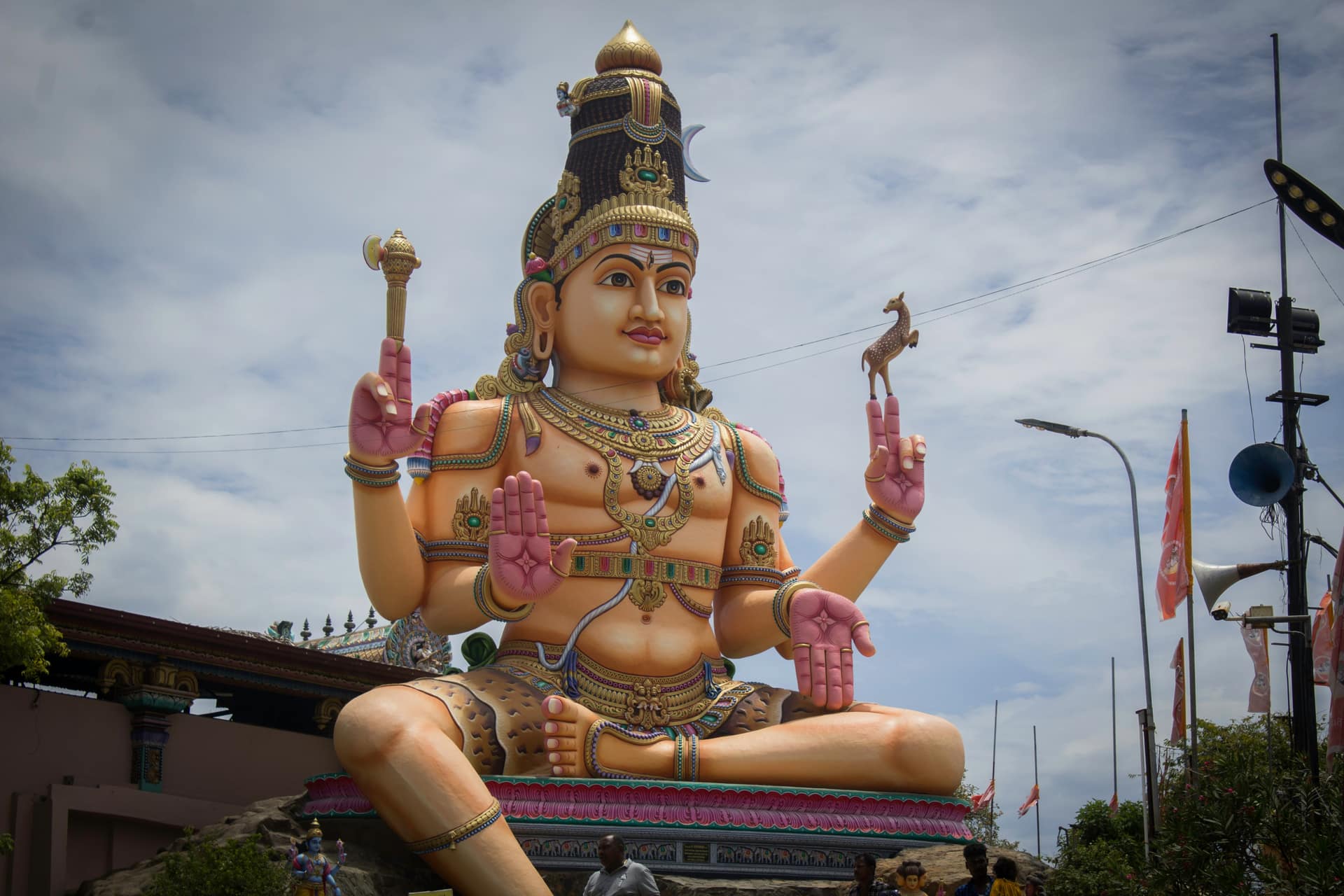
Trincomalee has one of the finest natural harbours in the world, the Koneswaram temple on Swami Rock above the sea, and a string of beaches to the north. Uppuveli, just outside the town, has a relaxed stretch of guesthouses; Nilaveli, roughly 15 kilometres further north, has wider, quieter sand and the boat departure point for Pigeon Island.
Pigeon Island National Park, a short boat ride off Nilaveli, is one of the best snorkelling spots in Sri Lanka, with shallow coral and reef sharks commonly seen. It gets busy in peak weeks; go early, follow the rangers' instructions and never stand on the coral.
- →Uppuveli: close to Trincomalee town, easy and relaxed.
- →Nilaveli: wider, quieter beaches and the boat to Pigeon Island.
- →Koneswaram temple: a clifftop Hindu temple above the harbour, best at sunset.
- →Pigeon Island: go early, follow ranger rules, never touch or stand on coral.
Whale watching from Trincomalee
Mirissa's whale season ends around April, but boats from Trincomalee look for blue whales, sperm whales and dolphins roughly May to September, often in calmer water because the continental shelf drops away close to shore. Sightings are never guaranteed and vary from year to year.
A Trincomalee trip typically leaves early in the morning and lasts a few hours. As on the south coast, choose an operator that keeps its distance and does not chase the animals, and take seasickness precautions before boarding.
On a two-night east-coast stay, choose between whales and Pigeon Island rather than trying to do both on the single full day, since both involve early boat departures and the morning sea is calmest. Snorkelling suits families and non-swimmers in shallow water; whale trips suit those comfortable on open water for several hours.
Two nights in Kandy instead of the train to Ella
Giving Kandy two nights in the May to September version is not a consolation prize. The extra day allows the Royal Botanic Gardens at Peradeniya, a tea estate visit, and a second chance at the Temple of the Sacred Tooth Relic in the morning, when it is calmer than at the evening puja.
July or August may also coincide with the Kandy Esala Perahera, the island's greatest Buddhist procession. Its dates shift each year with the lunar calendar and hotels fill quickly, so confirm the dates before fixing your week, and book early if they overlap.
- →Peradeniya Royal Botanic Gardens: two to three hours.
- →A tea estate and factory visit in the hills around Kandy.
- →The Esala Perahera, usually July or August; dates shift each year.
What about Arugam Bay and the south-east
Arugam Bay, on the south-east coast, is Sri Lanka's best-known surf spot and is also in season roughly May to September. It is further from the Cultural Triangle and from the airport than Trincomalee, though, and fitting it into seven days means long road days.
Surfers for whom the waves are the point of the trip should build a separate route around Arugam Bay. For a first-time visitor on a one-week trip, Trincomalee's calm water and shorter drives make it the better east-coast base.
Pasikudah, roughly two hours south of Trincomalee, is the other east-coast option: a long, shallow, reef-protected bay lined with resort hotels, well suited to families with small children. It sits roughly two and a half to three hours from Sigiriya, making it a straight swap for Trincomalee in this week.
Planning a May to September week
The months from May to September are quieter than the December to April peak in the Cultural Triangle and hill country, and hotel rates can be lower as a result. The east coast is busy in July and August, which coincide with school holidays in many countries, so book beach hotels there early.
Lankan Stays & Trails routes one-week trips in these months east rather than south as standard, and our Grand Tour covers Trincomalee for travellers with more time. Travellers set on the south coast mid-year should read the rain plan in this series before deciding.
Frequently asked questions
Is Sri Lanka good to visit in July and August?
Yes, provided you route east. The south-west monsoon affects the south and west coasts roughly May to September, but the east coast around Trincomalee is typically dry and calm, and the Cultural Triangle and Kandy remain very workable. The Esala Perahera in Kandy often falls in these months.
Can I still go to Mirissa in June?
You can, but expect rougher seas, stronger currents, more rain and few whale-watching trips, since Mirissa's season runs roughly December to April. Swimming can be unsafe on some days. The east coast is the better beach choice in June for a short trip.
How far is Trincomalee from Sigiriya?
Roughly two and a half to three hours by road, which makes it the shortest route from the Cultural Triangle to any beach in Sri Lanka. That short transfer is one of the reasons the east-coast version works so well in a week.
Is Nilaveli or Uppuveli better?
Nilaveli has wider, quieter beaches and is the departure point for Pigeon Island; Uppuveli is closer to Trincomalee town and has more restaurants within walking distance. Both are calm in the May to September season. Choose Nilaveli for peace, Uppuveli for convenience.
Can I include Ella in a May to September week?
Not comfortably alongside the east coast in seven days, since Ella is far from Trincomalee. The hill country itself is workable mid-year, with the eastern side around Ella generally drier than the west. One option is to skip the beach and do the classic route inland only.
How long is the drive from Trincomalee to Kandy?
Roughly four to five hours via Habarana and Dambulla. It is the longest road day of the east-coast week, so leave Trincomalee by mid-morning to reach Kandy in time for the evening puja at the Temple of the Sacred Tooth Relic.