
Quick answer
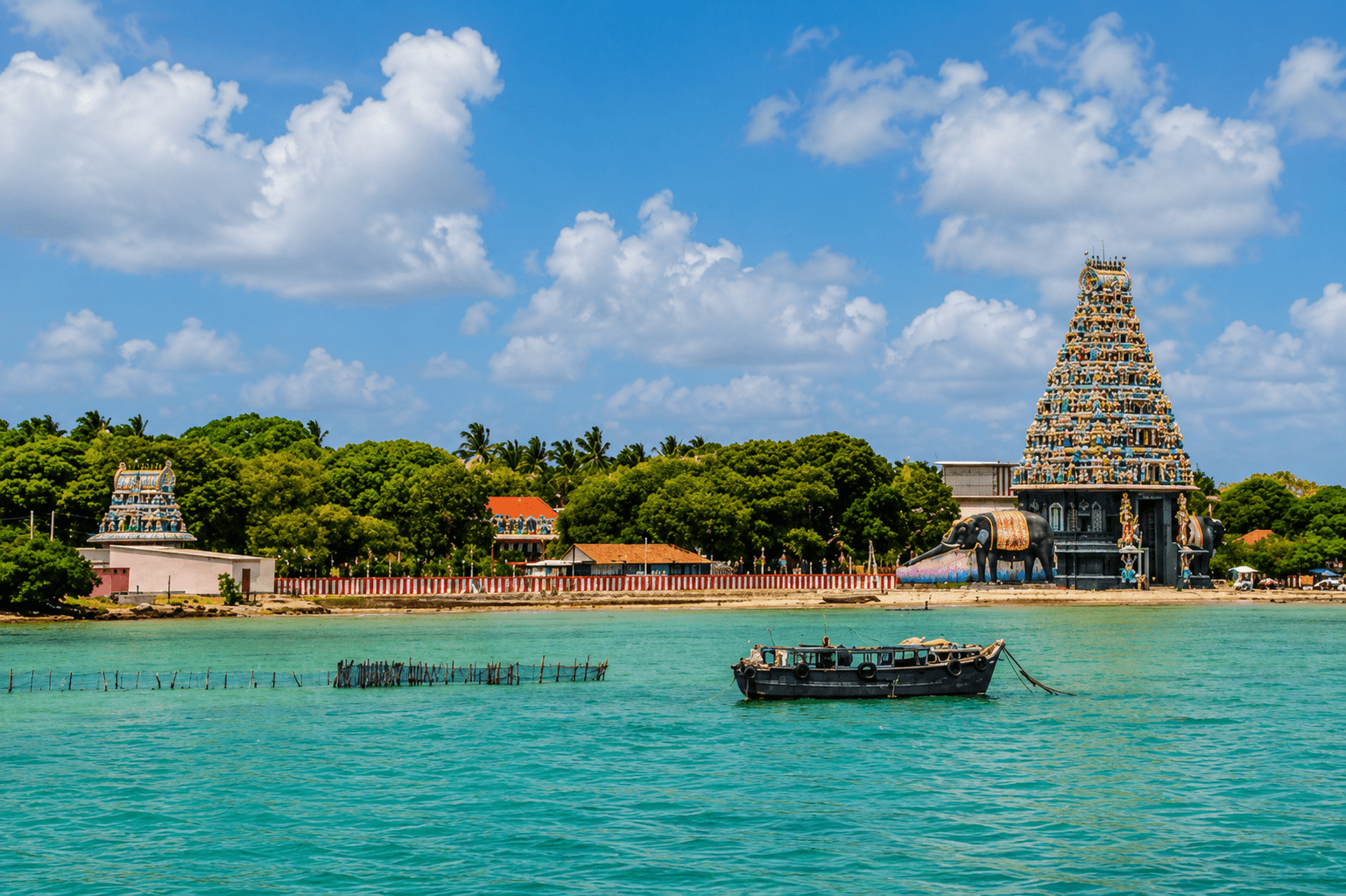
The best places to experience Tamil culture in Sri Lanka are Jaffna, with Nallur Kandaswamy Kovil, the public library and northern cuisine; Trincomalee, with Koneswaram temple; Batticaloa's Hindu temples and lagoon; the hill country estates around Hatton and Nuwara Eliya, home of the Malaiyaha Tamils; Colombo's Sea Street and Wellawatte; Munneswaram near Chilaw; and festivals such as Thai Pongal in January and Deepavali.
Key takeaways
- Sri Lanka's Tamils include northern and eastern communities and hill country Tamils.
- Jaffna is the cultural capital of Tamil Sri Lanka.
- Hill country Tamils descend from workers brought from South India in the British era.
- Thai Pongal, in January, is a major harvest festival.
- Most Tamil Sri Lankans are Hindu, with significant Christian communities.
Jaffna and the north
Jaffna is the heart of Sri Lankan Tamil culture. Nallur Kandaswamy Kovil, with its golden tower and evening pujas, is the spiritual centre. The rebuilt public library, burned in 1981, is a symbol of learning and renewal. Jaffna's music, dance and literary traditions remain strong.
Food is central: crab curry, odiyal kool, a seafood broth thickened with palmyra flour, Jaffna-style string hoppers and palmyra products such as jaggery and toddy. The market is a sensory introduction.
Beyond town, Keerimalai spring, Point Pedro and the islands of Nainativu and Delft show the peninsula's coastal life.
Jaffna is also a centre of classical arts. Bharatanatyam dance and Carnatic music are taught in schools and performed at temple festivals and cultural events, and visitors who time a trip well can see a performance.
- →Nallur Kandaswamy Kovil.
- →The public library.
- →Crab curry and odiyal kool.
Trincomalee and Batticaloa
Trincomalee is home to Koneswaram, one of the five ancient Shiva temples of Sri Lanka, on Swami Rock above the sea. The town's Tamil, Muslim and Sinhala communities give it a mixed character, with kovils, mosques and Buddhist temples.
Batticaloa, on the lagoon, has Hindu temples, Christian churches and a strong Tamil identity. Its festivals, music and food are distinct from Jaffna's. Kokkadicholai's Thaanthonreeswarar temple nearby is an important pilgrimage site.
- →Koneswaram: Swami Rock.
- →Batticaloa's temples.
- →East coast festivals.
The hill country Tamils
The Malaiyaha, or hill country, Tamils descend from workers brought from South India by the British to work on coffee and later tea estates. They live in estate villages around Hatton, Nuwara Eliya, Badulla and Haputale, with their own kovils, festivals and traditions.
Visiting an estate village with a respectful local guide, seeing a kovil festival or talking to tea pluckers gives insight into the people behind Ceylon tea. Seetha Amman temple near Nuwara Eliya is linked to the Ramayana.
Lankan Stays & Trails can arrange tea estate visits that include the community, not only the factory and the view.
- →Estate villages.
- →Seetha Amman temple.
- →Kovil festivals in the hills.
Colombo and the west
Colombo has a large Tamil population, especially in Wellawatte and Kotahena. Sea Street in Pettah is lined with gold shops and kovils, including the Old and New Kathiresan kovils. The Ponnambalavaneswaram temple in Kochchikade is a fine stone temple.
Wellawatte's restaurants serve dosa, vadai and Jaffna-style dishes. Munneswaram, near Chilaw, is an ancient Shiva temple with a major festival, usually in August or September, dates shifting each year.
- →Sea Street's kovils.
- →Wellawatte's food.
- →Munneswaram near Chilaw.
Festivals
Thai Pongal, in mid-January, is a harvest festival celebrated by Tamils across Sri Lanka, with pots of sweet rice boiled over at dawn. Deepavali, the festival of lights, falls around October or November. Temple festivals at Nallur, Koneswaram and Munneswaram draw huge crowds.
Sinhala and Tamil New Year, in April, is shared by both communities. Festival dates follow lunar calendars and change each year, so check locally.
- →Thai Pongal: January.
- →Deepavali: October or November.
- →New Year: April.
Visiting respectfully
At kovils, men may need to remove shirts and everyone removes shoes. Dress modestly and ask before photographing people or rituals. The north and east have recent memories of war, so listen more than ask.
Learning a few words of Tamil, such as vanakkam for hello and nandri for thank you, is warmly received. Eating at local restaurants, buying from markets and staying in family-run guesthouses spreads the benefit of your visit and leads to the best conversations.
Frequently asked questions
Where is the best place to experience Tamil culture in Sri Lanka?
Jaffna is the best place to experience Tamil culture in Sri Lanka, with Nallur Kandaswamy Kovil, its library, music, food and islands. Trincomalee, Batticaloa, the hill country estates and Colombo's Wellawatte and Sea Street offer other sides of Tamil life.
Who are the hill country Tamils?
The hill country, or Malaiyaha, Tamils descend from workers brought from South India by the British in the nineteenth and twentieth centuries to work on coffee and tea estates. They live mainly in the central hills and have their own culture, festivals and history. Their history is closely tied to the tea industry, and many families still live and work on the estates.
What is Thai Pongal?
Thai Pongal is a Tamil harvest festival celebrated in mid-January, when families boil rice with milk and jaggery until it overflows, symbolising abundance. It is celebrated across Sri Lanka's Tamil communities, especially in Jaffna and the east.
What should I eat in Jaffna?
In Jaffna, try crab curry, odiyal kool seafood broth, Jaffna-style string hoppers, mutton curry, vadai and palmyra products such as jaggery and palmyra toddy. Local restaurants and the market are the best places to taste northern Tamil cuisine.
Can tourists visit Hindu temples in Sri Lanka?
Tourists can visit Hindu temples in Sri Lanka. Remove shoes, dress modestly and, at some temples, men must remove shirts. Respect puja times, ask before photographing and avoid entering inner sanctums unless invited.
Is Sea Street in Colombo worth visiting?
Sea Street in Colombo's Pettah district is worth visiting for its gold shops, busy atmosphere and Hindu kovils, including the Kathiresan temples. It is best in the morning and combines well with the Pettah markets and the Red Mosque. Allow an hour or two, and dress modestly if you plan to enter the kovils.
How do I say hello in Tamil?
In Tamil, vanakkam is the usual greeting for hello, often said with palms pressed together. Nandri means thank you. Using these words in Jaffna, Trincomalee or the hill country is warmly received, even if the rest of the conversation is in English.