
Quick answer
The best places to see everyday life in Sri Lanka are Pettah's bazaars in Colombo; Negombo's fish market at dawn; a local train, ideally on the coast or hill line; Kandy's central market; tea estates during plucking; village tanks in the Cultural Triangle at dawn; Galle Face Green at sunset; a temple on a full moon Poya day; and Jaffna's market. Early mornings and evenings show the most.
Key takeaways
- Mornings and evenings are when everyday life is busiest.
- Markets, trains and beaches at sunset are the easiest places to start.
- Full moon Poya days show Buddhist life at its most visible.
- Ask before photographing people, and expect some to say no.
- A local guide or homestay host opens doors that are otherwise closed.
Markets and city streets
Pettah in Colombo is a maze of bazaars, each street specialising in something: spices, textiles, electronics, gold, hardware. Early morning, when goods are unloaded by hand and cart, is the busiest and most memorable time.
Kandy's central market sells fruit, spices, fish and meat under one roof, with cloth stalls upstairs. Jaffna's market has palmyra products, dried fish and northern produce. Nuwara Eliya's market overflows with vegetables from the surrounding hills.
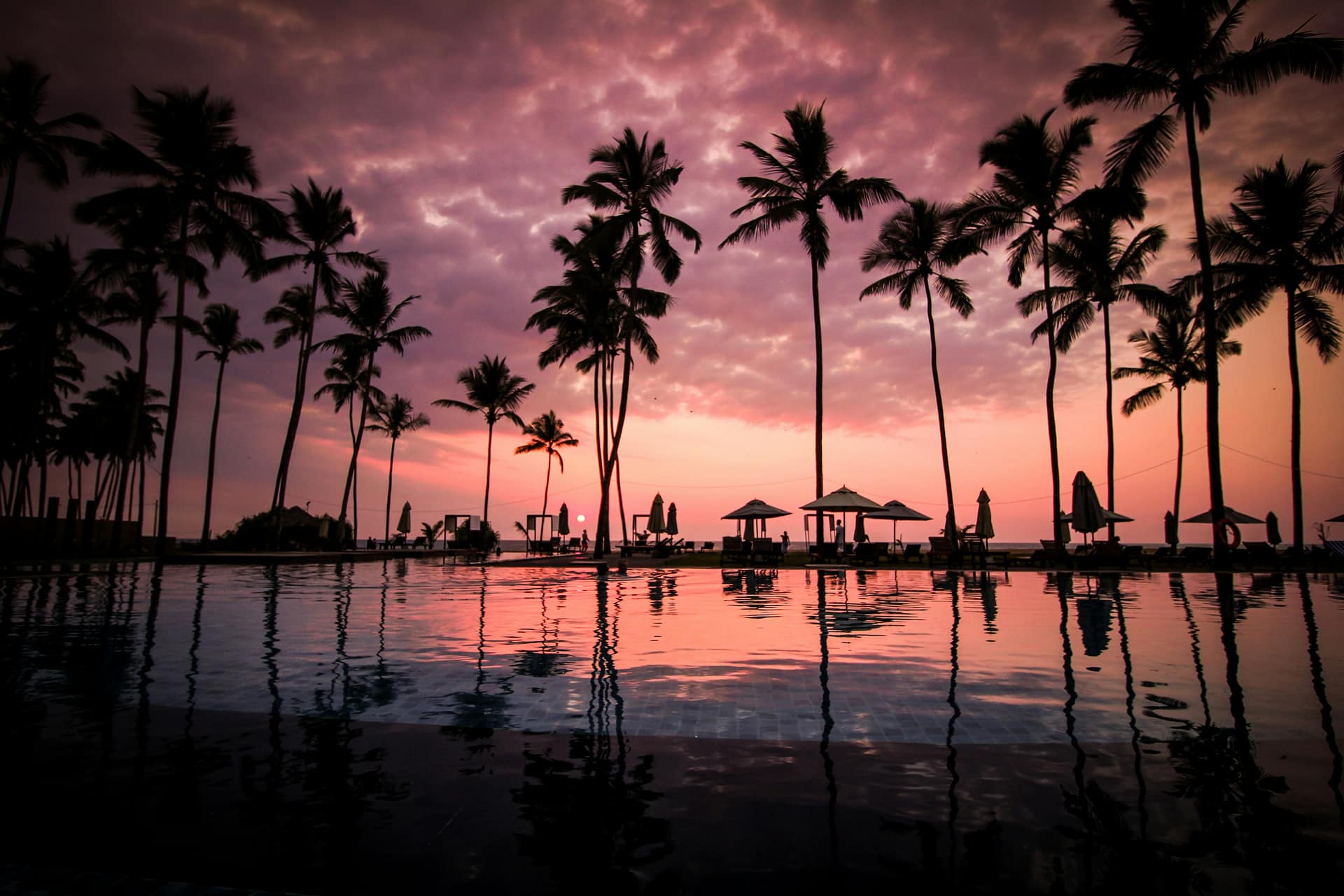
Galle Face Green at sunset, when families fly kites and eat isso vadai, is Colombo's living room.
- →Pettah at dawn.
- →Kandy and Jaffna markets.
- →Galle Face at sunset.
Fishing life on the coast
Negombo's fish market, early in the morning, is busy with auctions, carts and fish drying on the sand. Fishermen bring in catches from outrigger canoes and larger boats. Mirissa, Beruwala and Tangalle harbours show similar scenes.
On the south coast, beach seine fishing, where teams haul a huge net onto the beach, still happens in some villages at dawn. Stilt fishermen near Koggala and Ahangama perch on poles in the surf, though some now pose for tips.
- →Negombo fish market.
- →Beach seine at dawn.
- →Harbours at Mirissa and Beruwala.
Trains and buses
A ride on a local train, especially the coast line south of Colombo or the hill line to Ella, shows everyday life: vendors selling snacks, commuters, families and students. Third-class carriages are crowded but lively.
Local buses are another window, with music, pictures of deities on the dashboard and conductors calling out destinations. Short rides are part of the experience; long ones can be tiring.
Lankan Stays & Trails often includes one short train or bus ride, even on private-driver trips, for exactly this reason.
Tuk-tuk rides are part of everyday life too. Drivers often double as guides, and a ride through back streets to a market or a kade, a roadside tea shop, can be more revealing than any tour.
- →Coast line trains.
- →Hill line in second or third class.
- →A short bus ride.
Villages, tanks and tea estates
In the Cultural Triangle, village tanks at dawn show farmers bathing, washing clothes and fishing, with birds all around. Walking or cycling through paddy fields around Sigiriya or Habarana reveals rural life far from the tour buses.
In the hills, tea estates during plucking time, usually morning, show pluckers moving along the rows with baskets. Visiting an estate village with a respectful guide or staying on a working estate gives a deeper view.
On the south coast, toddy tappers climb coconut palms along ropes strung between the trees, collecting sap at dawn and dusk. In the north, palmyra palms play the same role, giving toddy, jaggery and leaves for weaving.
- →Village tanks at dawn.
- →Paddy fields by bicycle.
- →Tea plucking in the morning.
Faith in daily life
On full moon Poya days, temples fill with people dressed in white, observing precepts and meditating. Evening pujas at kovils and the Temple of the Tooth are part of daily life for many.
Sunday mass in Negombo's churches, Friday prayers at mosques and small roadside shrines everywhere show how faith shapes everyday Sri Lanka.
Being a respectful observer
Ask before photographing people, especially women, children and worshippers, and accept a refusal. Avoid treating people as scenery. Buying something, sharing tea or simply chatting is better than a quick photo.
Homestays, community tourism projects and local guides offer the deepest experiences, with income going directly to families.
Frequently asked questions
Where can I see real Sri Lankan life?
You can see real Sri Lankan life in markets like Pettah and Kandy, at Negombo's fish market, on local trains and buses, in villages around the Cultural Triangle, on tea estates and at temples on full moon days. Early mornings and evenings are best. A local guide or homestay host helps you see more.
What is a Poya day?
A Poya day is the full moon day of each month, a public holiday in Sri Lanka. Buddhists visit temples, dress in white, observe precepts and meditate. Alcohol and meat sales are usually restricted. Temples are busiest and most atmospheric on these days.
Is it okay to photograph people in Sri Lanka?
Photographing people in Sri Lanka is usually fine if you ask first. Many people are happy to be photographed, but some are not, especially women and worshippers. Respect refusals and never photograph people bathing or at private moments.
Is a third-class train ride safe in Sri Lanka?
Third-class train rides in Sri Lanka are generally safe but crowded, especially at rush hours. Keep valuables close, avoid hanging out of doors and be prepared to stand. Short rides are the best way to enjoy the experience.
Can I stay with a local family in Sri Lanka?
You can stay with local families in Sri Lanka through homestays and community tourism projects, especially around Sigiriya, Kandy, Ella and the south coast. These offer home-cooked meals and insight into daily life. Choose well-reviewed hosts.
What time do markets open in Sri Lanka?
Most markets in Sri Lanka open early, often by 6 or 7am, and are busiest in the morning. Fish markets are busiest at dawn. Some markets close by early afternoon, so go early for the best atmosphere. Weekly village fairs, called pola, are also worth seeking out.
What is a kade in Sri Lanka?
A kade is a small roadside shop or tea stall, found in every village and town in Sri Lanka. It sells tea, snacks, cigarettes and daily goods, and is a meeting place for locals. Stopping for tea at a kade is a simple way to see everyday life.