
Quick answer
When it rains in Sri Lanka, the best places to visit are first the dry side of the island: the east coast and Cultural Triangle during the south-west monsoon, roughly May to September, and the south and west coasts during the north-east monsoon, roughly December to March. On wet days anywhere, choose Dambulla's cave temple, the Temple of the Tooth, museums in Colombo and Galle, tea factories, Galle Fort's cafes, cooking classes and rainforest walks.
Key takeaways
- Sri Lanka has two monsoons, so one side of the island is usually drier.
- Showers are often heavy but short, typically in the afternoon.
- Cave temples, museums and tea factories work well in rain.
- Rainforests are at their most alive in light rain, but leeches increase.
- Avoid waterfalls swimming, rough seas and exposed rock climbs in heavy rain.
How rain works in Sri Lanka
Sri Lanka has two main monsoons. The south-west monsoon, roughly May to September, brings rain to the west and south coasts, the western hills and the wet zone. The north-east monsoon, roughly November to February, brings rain to the north and east. October and November, the inter-monsoon period, bring afternoon storms almost everywhere.
This means that when one coast is wet, the other is often dry. Moving to the right side of the island is the most effective response to a rainy forecast, especially for beach time.
Even in the wet season, rain usually comes in heavy bursts, often in the afternoon, with sunny mornings. Planning outdoor sights early and covered ones later works on most days.
- →South-west monsoon: roughly May to September.
- →North-east monsoon: roughly November to February.
- →Inter-monsoon storms: roughly October and November.
Go where it is dry
During the south-west monsoon, the Cultural Triangle, Trincomalee, Pasikudah, Arugam Bay and the north are usually drier and sunnier. A summer trip can be built almost entirely on that side of the island, with the hills visited between showers.
During the north-east monsoon, the south and west coasts, from Negombo to Tangalle, are usually at their best, and the hill country's western slopes are clearer. Yala and Udawalawe in the south-east are also generally good from roughly February.
Lankan Stays & Trails watches the forecast during a trip and will swap the order of stops to keep travellers in the drier region, which is often the easiest fix of all.
- →May to September: east coast and Cultural Triangle.
- →December to March: south and west coasts.
- →Flexible routes beat fixed ones.
Covered sights that shine in rain
Dambulla's Royal Cave Temple, under a great overhang, is unaffected by rain once you have climbed up. The Temple of the Sacred Tooth Relic in Kandy is largely covered, and its evening puja is as atmospheric on a wet night as a dry one. The Ceylon Tea Museum and working tea factories in the hills are ideal rainy-afternoon stops.
In Colombo, the National Museum, Gangaramaya temple and Number 11, Geoffrey Bawa's house, are all good in rain. In Galle, the maritime museum, the fort's cafes, galleries and boutiques fill a wet afternoon well.
Cooking classes, spa treatments and Ayurveda sessions are also good choices, and many hotels offer them at short notice.
- →Dambulla caves.
- →Temple of the Tooth and the tea museum.
- →Colombo and Galle museums.
- →Cooking classes and spas.
Places that are better in light rain
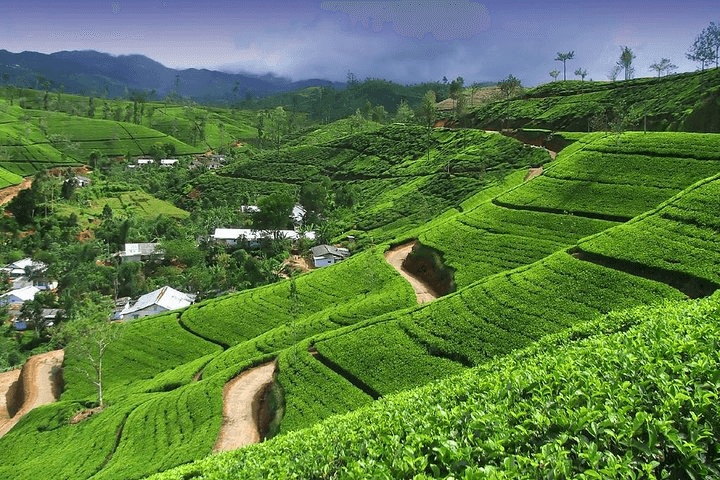
Some places are at their most beautiful in light rain. Sinharaja and Kanneliya rainforests come alive with frogs, streams and mist, though leeches increase. Tea country under drifting cloud, seen from a train window or a bungalow veranda, has a moody beauty of its own.
Waterfalls are fullest during and after rain, and viewpoints for St Clair's, Devon and Ravana falls are easy to reach from the road. Just do not swim in falls or rivers after rain, when water rises suddenly.
Peradeniya's gardens are lovely after a shower, with the paths steaming and the bamboo groves dripping.
- →Rainforests: frogs and mist.
- →Tea country from a train.
- →Waterfalls from viewpoints.
What to avoid in heavy rain
Heavy rain makes some activities unsafe or unpleasant. Avoid swimming in rough seas with red flags, swimming at waterfalls or in rivers, and climbing exposed rocks such as Pidurangala or Ella Rock, which become slippery. Sigiriya may close its upper sections in storms.
Safaris usually run in light rain, and animals are often active afterwards, but heavy downpours can make tracks impassable. Whale-watching boats do not sail in rough seas. Hill roads can see landslides in prolonged rain, so drivers may change routes.
Keep plans flexible and listen to local advice.
- →No swimming in rough seas or after rain.
- →Skip exposed rock climbs.
- →Expect boat trips to be cancelled.
Packing for rain
A light rain jacket or umbrella, quick-drying clothes, sandals and leech socks for forests cover most needs. A dry bag for phones and cameras is useful on boat trips and train rides.
Rain in Sri Lanka is warm except in the high hills, so heavy waterproofs are rarely needed below Nuwara Eliya. In the hills, bring a warm layer as well.
Frequently asked questions
Where is it dry in Sri Lanka during the monsoon?
During the south-west monsoon, roughly May to September, the east coast, the Cultural Triangle and the north are usually driest. During the north-east monsoon, roughly November to February, the south and west coasts and the western hills are usually drier.
What can I do in Sri Lanka on a rainy day?
On a rainy day in Sri Lanka, visit Dambulla's cave temple, the Temple of the Tooth, museums in Colombo or Galle, tea factories, Galle Fort's cafes and galleries, cooking classes or spas. Light rain also suits rainforest walks and scenic train rides.
Does it rain all day in Sri Lanka?
It rarely rains all day in Sri Lanka. Even in the monsoon, rain usually comes in heavy bursts, often in the afternoon, with sunny mornings. Prolonged rain does occur, especially in the wet zone in the south-west monsoon, but it is less common.
Is Sigiriya open in the rain?
Sigiriya is usually open in light rain, but steps become slippery and upper sections may close during storms or strong winds. Climb carefully, wear shoes with grip and check conditions on the day. Early mornings are often drier.
Do safaris run in the rain in Sri Lanka?
Safaris in Sri Lanka usually run in light rain, and animals are often active afterwards. Heavy rain can make tracks muddy or impassable, and some parks close sections. Operators decide on the day, so stay flexible.
Is the Kandy to Ella train good in the rain?
The Kandy to Ella train is still worth taking in the rain. Misty tea estates and drifting cloud have their own beauty, though views may be limited. Mornings are often clearer, and windows may need closing during heavy showers.