
Quick answer
February is a very good month for Bundala. Migrant waders and waterbirds, which arrive from about September or October, are still present alongside resident storks, herons, pelicans and spoonbills. Greater flamingos gather in the lagoons in some winters, though not every year. Mugger crocodiles, elephants and occasionally jackals are also seen. Drives of about three hours, ideally early morning, cover the main lagoons. Bundala is quieter than Yala nearby and pairs well with a stay in Tangalle or Tissamaharama.
Key takeaways
- Migrant waders and waterbirds are present in February.
- Greater flamingos gather in some winters, though not every year.
- Crocodiles, elephants and jackals are also seen.
- Early morning drives give the best birding light and activity.
- Bundala is quieter than Yala and pairs well with it.
Why February suits Bundala
Bundala lies in the dry south-east, and its lagoons fill during the north-east monsoon. By February the rain has stopped, the weather is dry and sunny, and the lagoons are still full of water, offering ideal feeding for waterbirds.
Migrant birds from Siberia, Central Asia and northern India arrive from about September or October and stay until about March or April. February is one of the best months to see them alongside the resident species.
As the dry season advances, water levels drop and the lagoons concentrate birds further, though some migrants begin to leave in March.
Bundala's position matters too. It sits on the Central Asian Flyway, one of the great bird migration routes, and is one of the last landfalls before the open ocean. That is why so many waders and waterbirds end their journey here for the northern winter.
- →Lagoons full after the monsoon.
- →Migrants present until about March.
- →Dry, sunny weather.
Birds to look for
Resident waterbirds include painted storks, spoonbills, pelicans, grey herons, purple herons and black-headed ibis. Raptors such as white-bellied sea eagles and brahminy kites patrol the lagoons.
Migrant waders include sandpipers, plovers, stints and godwits, often in large flocks on the mudflats. Greater flamingos gather in the lagoons in some winters, but numbers vary greatly from year to year, and in some years they are absent.
Bee-eaters, kingfishers and peacocks add colour in the scrub between the lagoons.
- →Painted storks, spoonbills, pelicans.
- →Migrant waders on the mudflats.
- →Flamingos in some winters.
Other wildlife
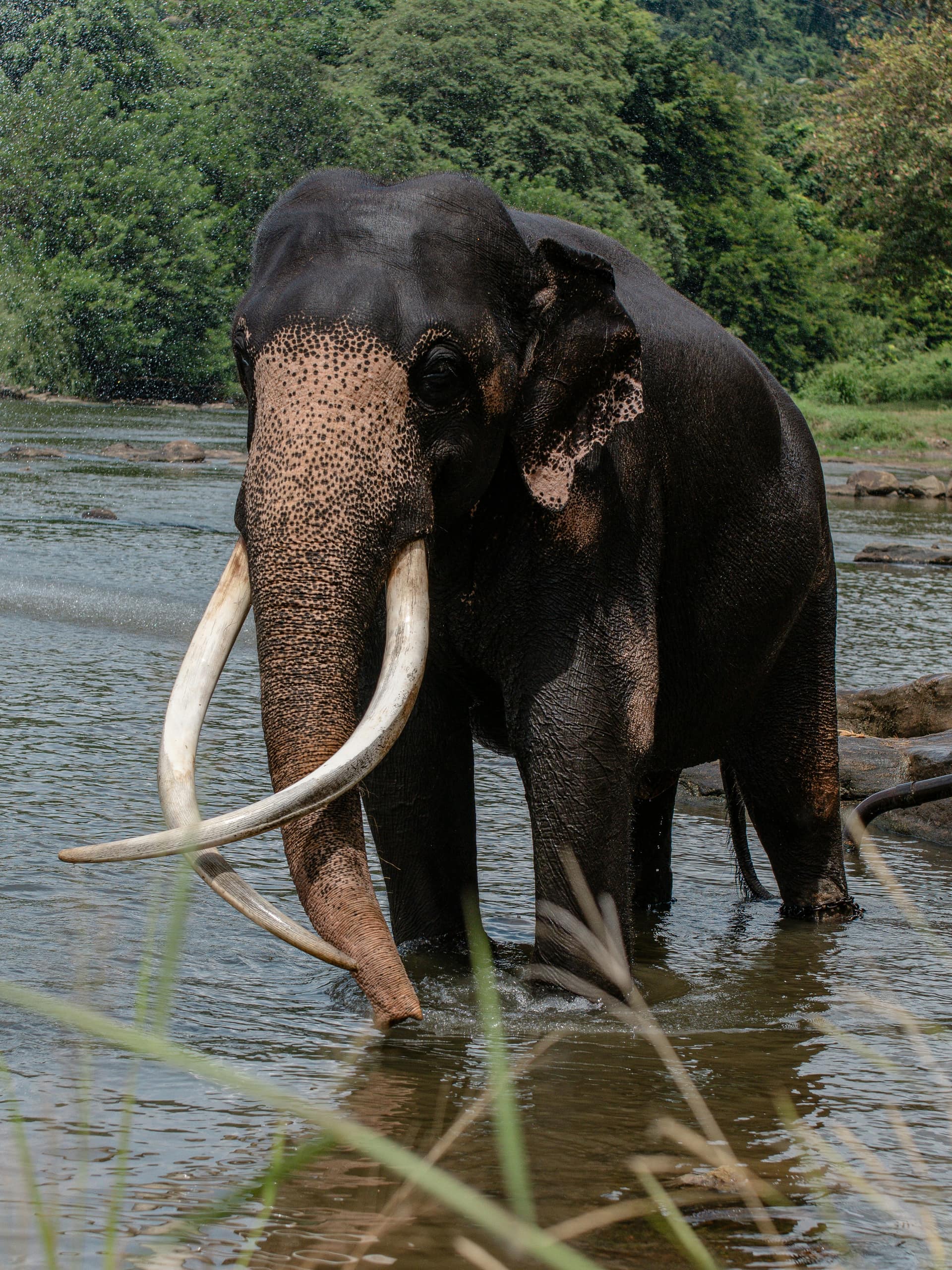
Mugger crocodiles bask on the banks of the lagoons and are common. Saltwater crocodiles are also present. Elephants are sometimes seen in the scrub, along with spotted deer, wild boar and jackals.
Sea turtles nest on Bundala's beaches, though turtle watching is better at Rekawa near Tangalle.
Leopards are not a feature of Bundala, so visitors seeking big cats should combine it with Yala.
The park's dunes and beach are also part of its character. Walking is not permitted inside the park, but from the jeep you can see the line of dunes separating the lagoons from the sea, a landscape quite unlike the forest parks elsewhere in Sri Lanka.
- →Mugger and saltwater crocodiles.
- →Elephants and jackals.
- →No leopards: combine with Yala.
Planning a drive
Drives usually last about three hours. Early morning, from about 6am, offers the best light and bird activity, before the heat haze rises over the lagoons. Late afternoon is also good.
Jeeps can be arranged through hotels in Tissamaharama, Kirinda or Tangalle. Entry tickets are bought at the gate.
Binoculars are essential, and a telephoto lens is useful for photography. A bird guide who knows the lagoons adds a lot, especially for identifying waders.
Combining Bundala with Yala and the coast
Bundala is about 30 minutes from Tissamaharama, the base for Yala, so many travellers do a morning drive in Yala and an afternoon in Bundala, or the other way round.
Kalametiya, a smaller lagoon sanctuary near Tangalle, offers similar birding and can be explored by boat. Together they make a good birding day on the south coast.
The planners at Lankan Stays & Trails often add Bundala for birding travellers in February, paired with a Yala drive and a night in Tissamaharama.
Tips for visiting
Bring water, sun protection and a hat, as there is little shade in the jeep or on the lagoons. Neutral colours help when watching birds.
Ask your driver to stop and wait at the lagoons rather than rushing between them. Birding rewards patience.
If flamingos are a priority, ask local guides about recent sightings before visiting, as numbers vary greatly from year to year.
- →Bring water and sun protection.
- →Wait at the lagoons.
- →Check recent flamingo sightings.
Frequently asked questions
Is February a good time to visit Bundala?
Yes. Migrant waders and waterbirds are present alongside resident storks, herons and pelicans, and the lagoons are full after the monsoon. Crocodiles and elephants are also seen. It is one of the best months for birding in Bundala.
Can I see flamingos at Bundala in February?
Possibly. Greater flamingos gather in Bundala's lagoons in some winters, but numbers vary greatly, and in some years they are absent. Ask local guides about recent sightings before visiting. Other waterbirds are reliably present in February.
When is the best time of day for Bundala?
Early morning, from about 6am, for the best light and bird activity before the heat haze rises. Late afternoon is also good. Drives usually last about three hours. Bring water and a hat, as there is little shade.
Are there leopards in Bundala?
Leopards are not a feature of Bundala. It is a wetland park best known for birds and crocodiles. Travellers wanting leopards should combine Bundala with Yala, about 30 minutes away from Tissamaharama.
How far is Bundala from Yala?
About 30 minutes from Tissamaharama, the base for Yala. Many travellers do a morning drive in Yala and an afternoon drive in Bundala, or vice versa, for a full day of wildlife on the south coast.
Do I need a bird guide at Bundala?
Not essential, but very helpful. A guide who knows the lagoons can identify waders, which can be difficult, and find species you might miss. Binoculars are essential, and a field guide or bird app helps.
Is Bundala busy in February?
No. Even in peak season, Bundala sees far fewer jeeps than Yala nearby. Most visitors are birders or travellers adding a second drive to a Yala stay. That quiet makes it easy to stop and watch the lagoons for as long as you like.