
Quick answer
Day 9 of the 14-day culture, wildlife and beach route is a full day around Yala from Tissamaharama. Leave around 5am for the dawn drive in Yala National Park, when leopards, sloth bears and elephants are most active, and return for lunch and a rest. In the afternoon, either return to Yala or visit Bundala National Park, roughly 30 minutes away, for waterbirds and crocodiles. Sightings are never guaranteed, which is why a full day helps.
Key takeaways
- Leopards are most often seen in the first hours after dawn and in the late afternoon.
- Yala's Block 1 is the most visited; quieter blocks offer fewer jeeps and a wilder feel.
- Bundala, roughly 30 minutes from Tissamaharama, is one of the island's finest wetlands for birds.
- Sightings are never guaranteed, so two drives roughly double the chance of a leopard.
- Yala is usually closed for part of roughly September to October.
Why a full day at Yala matters
Yala National Park is famous for having one of the highest densities of leopards in the world, but the park is large and the cats are shy. A single afternoon drive, which is all many routes allow, can easily miss them. Giving Yala a full day, with a dawn drive and an afternoon option, is the single most effective way to improve the odds.
The second night at Tissamaharama is one of the three nights freed by leaving out the hill country. For travellers who came for wildlife, it is probably the most valuable night on the route.
The dawn drive
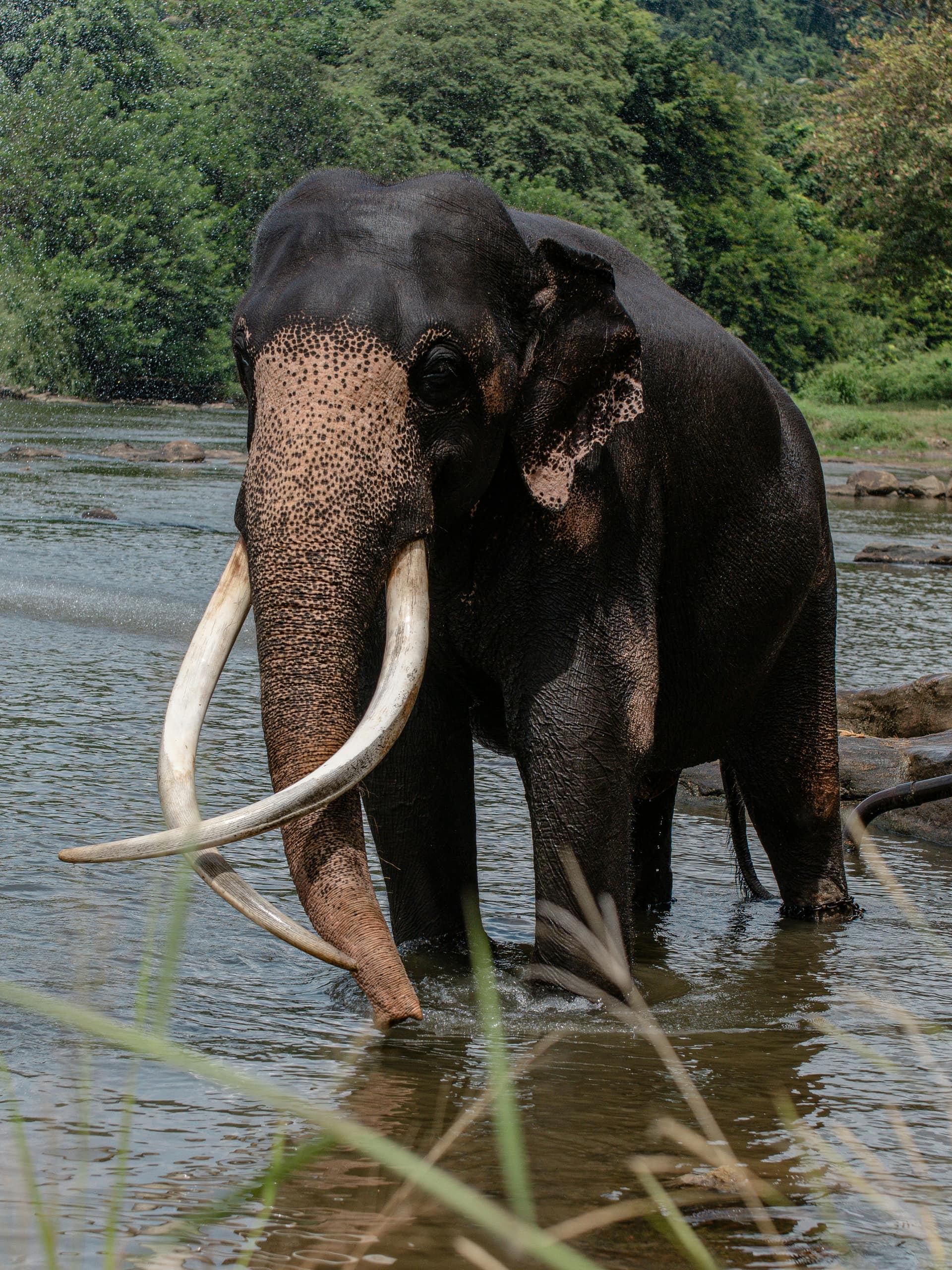
Leave the hotel at around 5am to queue at the gate before it opens, roughly 30 to 45 minutes away. The first light is the best time for leopards, which are often seen resting on rocks or walking along the tracks. Sloth bears, elephants, spotted deer, wild boar, crocodiles and peacocks are common sightings too.
Most jeeps return by around 10am to 11am, when the heat builds and the animals retreat into shade. Breakfast boxes from the hotel are usually eaten in the park at a designated stop. Bring binoculars, a camera with a long lens and patience: much of a safari is quiet waiting.
Your driver and tracker will decide where to go based on recent sightings. A good tracker is worth far more than a fancy jeep.
- →Leave around 5am; queue at the gate.
- →Leopards, sloth bears, elephants and deer.
- →Breakfast in the park at a designated stop.
- →Back by late morning.
Block 1 and the quieter blocks
Block 1 is the most visited part of Yala and has the most reliable leopard sightings, but it can be very crowded, with dozens of jeeps gathering around a single cat. The experience can feel more like a traffic jam than a wilderness. Quieter areas, including Block 5 and the Lunugamvehera side, see fewer jeeps and are worth considering for the afternoon.
Ask your safari operator about the blocks before booking. Many travellers combine a dawn drive in Block 1 for the best chance of a leopard with a quieter afternoon elsewhere.
- →Block 1: best leopard odds, most jeeps.
- →Block 5 and Lunugamvehera: quieter, wilder.
- →Combine one of each over the day.
The afternoon: Yala again or Bundala
After lunch and a rest at the hotel, the afternoon offers a choice. A second Yala drive, leaving around 2.30pm, gives another chance at leopards and the softer light of the late afternoon. Bundala National Park, roughly 30 minutes from Tissamaharama, is a different experience: a coastal wetland of lagoons and dunes famous for waterbirds.
Bundala is excellent for flamingos in some winter months, painted storks, spoonbills, pelicans and many migrant species, with crocodiles, elephants and occasionally jackals. It is quieter than Yala, and much better for birdwatchers and photographers. Families with young children often find one Yala drive is enough, and Bundala's open views keep everyone engaged.
Whichever you choose, return by dusk and enjoy an early dinner. Tomorrow the route reaches the beach.
- →Second Yala drive: another chance at leopards.
- →Bundala: waterbirds, flamingos in some months, crocodiles.
- →Rest: the hotel pool is a valid choice.
Safari etiquette
Respectful safaris improve the experience for everyone, including the animals. Ask your driver not to race to sightings, crowd a leopard or leave the track, and to switch off the engine when stopped. Keep voices low, never feed animals and take all litter away.
Lankan Stays & Trails works with Yala operators who follow park rules, keep their distance and do not pressure trackers to chase sightings. Paying a little more for a careful driver is worth it.
- →No racing, crowding or off-track driving.
- →Engine off when stopped.
- →Quiet voices and no feeding.
Frequently asked questions
What are the chances of seeing a leopard in Yala?
Good, but never guaranteed. Yala has a high density of leopards, and many visitors see one, especially in Block 1 on a dawn drive. Doing two drives on a full day, as this route allows, roughly doubles your chances compared with a single afternoon.
Is a full-day safari better than two half days?
Two half days with a midday break are more comfortable for most travellers, because the heat is intense and the animals rest at midday anyway. Full-day safaris suit dedicated photographers who want to stay out, but they make a long, hot day in an open jeep.
What is the best time of year for Yala?
Roughly February to July, when water is scarce and animals gather at waterholes. Yala is usually closed for part of roughly September to October. This route runs in roughly December to April, which includes some of the park's best months.
Is Bundala worth visiting?
Yes, especially for birdwatchers. Bundala is a coastal wetland with lagoons, dunes and salt pans, and it is one of the best places in Sri Lanka for waterbirds. It is quieter than Yala and roughly 30 minutes from Tissamaharama, making it an easy afternoon trip.
Will I see sloth bears in Yala?
Possibly. Sloth bears live in Yala and are seen most often around roughly May to July, when the palu trees fruit. At other times they are less common but still possible, particularly early in the morning. A good tracker improves the odds.
Are Yala safaris crowded?
Block 1 can be very crowded in peak season, with many jeeps around a single leopard. Quieter blocks, such as Block 5, offer a calmer experience. Going early, choosing a careful operator and combining blocks helps avoid the worst of the crowds.