
Quick answer
On the culture, wildlife and beach route, the main ticketed sites are Anuradhapura's archaeological area, Sigiriya, Polonnaruwa, Dambulla Cave Temple, the Temple of the Tooth and the Peradeniya gardens, with smaller fees at Mihintale and some museums. Active places of worship such as Sri Maha Bodhi are usually free. Each safari combines jeep hire, park entry and service charges; whale watching is priced per person. Galle Fort's walls are free to walk. Prices change, so check current rates.
Key takeaways
- The Cultural Triangle sites have among the highest entry fees in South Asia for foreign visitors.
- Active places of worship, such as Sri Maha Bodhi, are usually free to enter.
- Safari costs combine jeep hire, park entry fees and service charges.
- Whale watching is priced per person, usually including breakfast.
- Galle Fort's ramparts and streets are free to walk.
The ticketed sites
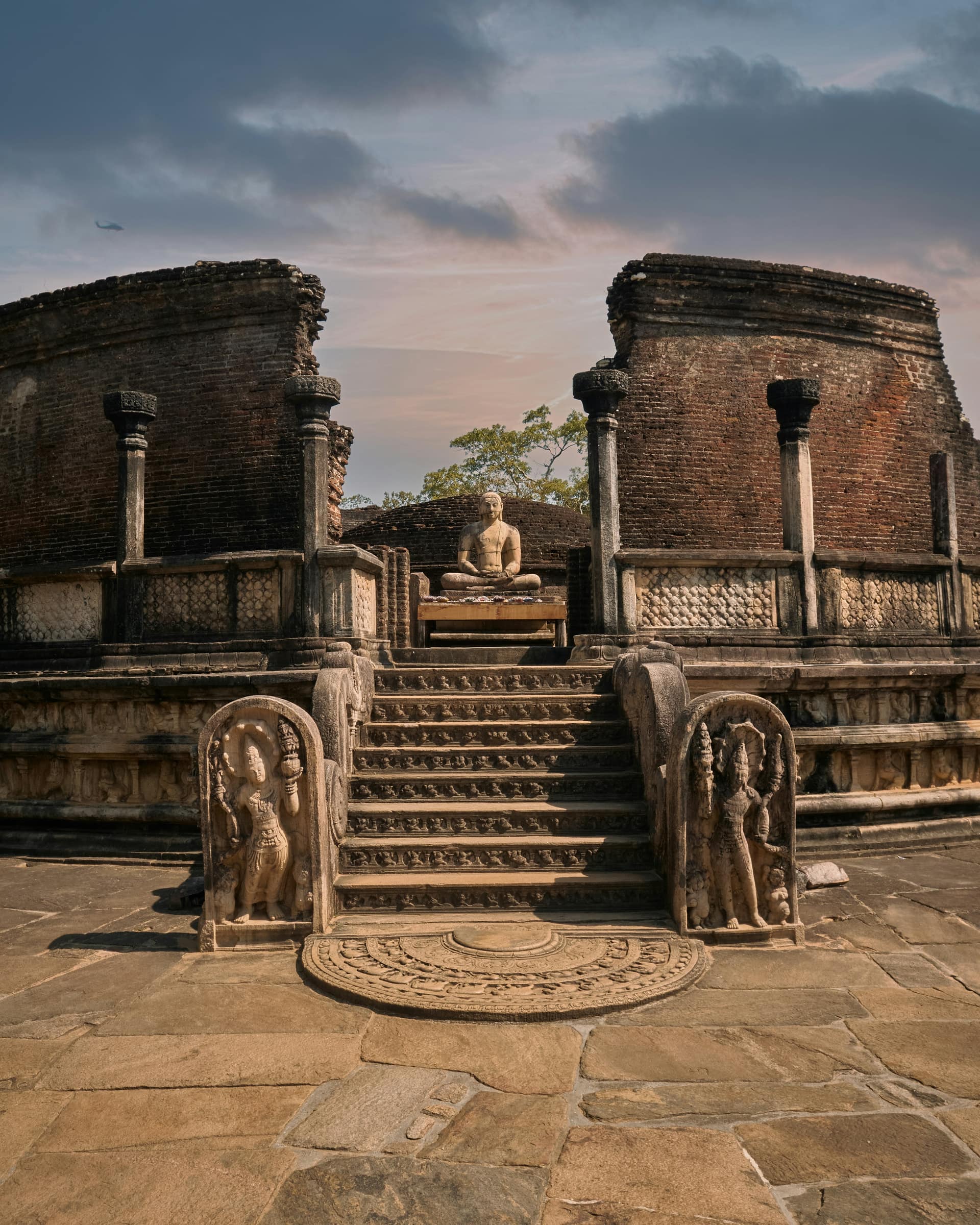
The culture week includes the route's main ticketed sites. Anuradhapura's archaeological area, Sigiriya and Polonnaruwa each charge a separate entry fee for foreign visitors, among the highest in South Asia. Dambulla Cave Temple, the Temple of the Tooth and the Royal Botanic Gardens at Peradeniya also charge, at lower levels.
Smaller fees apply at Mihintale, Pidurangala, Ritigala, some museums and the Kandyan dance shows. Children usually pay reduced fees, and some sites offer discounts for nationals of SAARC countries.
Prices change, sometimes significantly, so check current rates before travelling.
- →Anuradhapura, Sigiriya, Polonnaruwa: highest fees.
- →Dambulla, Temple of the Tooth, Peradeniya: lower fees.
- →Mihintale, Pidurangala, museums: small fees.
- →Children: usually reduced.
What is free
Many of the route's most memorable experiences cost nothing. Active places of worship, such as Sri Maha Bodhi and Ruwanwelisaya in Anuradhapura, are usually not part of the archaeological ticket and are free to enter, though donations are welcome. Kataragama's evening puja and Tissamaharama's stupa are free.
Galle Fort's ramparts and streets are free to walk, though individual museums charge. Beaches, Coconut Tree Hill and the Hummanaya blowhole are free or nearly free.
- →Sri Maha Bodhi and Ruwanwelisaya.
- →Kataragama and Tissamaharama.
- →Galle Fort's ramparts.
- →Beaches and viewpoints.
How safari costs work
Each of the route's three safaris has several cost components. The jeep is hired with a driver and tracker, usually for a half or full day. The park entry fee is charged per person, with additional charges for the vehicle, a service charge and tax. A tracker or guide may be included or charged separately.
Shared jeeps split the jeep cost between passengers, while private jeeps cost more but offer flexibility. Full-day safaris in Yala cost more than half-day ones. Some safari camps include jeeps and fees in their rates.
Whale watching from Mirissa is priced per person, usually including breakfast, and some operators offer a second trip if no whales are seen.
- →Jeep hire with driver and tracker.
- →Park entry per person.
- →Vehicle and service charges, plus tax.
- →Whale watching per person.
How to pay
Entry tickets at the main sites can usually be paid by card or cash; carry some cash in case card machines are down. Some sites now offer online tickets. Safari jeeps are usually paid in cash or through your tour company, with park fees paid at the gate.
Lankan Stays & Trails can include safaris and some entry tickets in the itinerary price, so travellers know the total in advance.
Guides at the ancient cities are paid directly, usually in cash, and their rates are often fixed by the site or agreed in advance. Agree the price and the length of the tour before you start, and tip at the end if the guide was good.
Budgeting for tickets and safaris
Entry tickets and safaris can be a significant share of a trip's cost, especially at the budget level. For the standard route, budget for six main ticketed sites, several smaller ones, three safaris, whale watching and guides. Choosing which sites and parks matter most can reduce the total.
Site guides are paid separately from entry tickets, and tips for safari drivers, trackers and guides add a little more. The full cost picture is set out on our page about how much the route costs.
Travellers on a tight budget can save by choosing Pidurangala over Sigiriya, sharing safari jeeps and picking one or two parks.
- →Budget for six main sites.
- →Three safaris and whale watching.
- →Guides and tips.
Tips to save
Visit the sites that matter most to you rather than all of them. Share safari jeeps. Choose half-day safaris where a full day is not needed. Look for combined tickets where available. Travel with children, who pay reduced fees at most sites.
Keep tickets until you leave each site, as they may be checked more than once.
Frequently asked questions
Which sites on the route charge entry fees?
Anuradhapura's archaeological area, Sigiriya, Polonnaruwa, Dambulla Cave Temple, the Temple of the Tooth and the Peradeniya gardens are the main ones. Smaller fees apply at Mihintale, Pidurangala, Ritigala and some museums. Prices change, so check current rates.
Is Sri Maha Bodhi free to visit?
Sri Maha Bodhi and Ruwanwelisaya, as active places of worship, are usually not part of the archaeological ticket and are free to enter. Donations are welcome. Dress modestly, in white if possible, and remove shoes.
How are safari costs made up?
Jeep hire with driver and tracker, park entry fees per person, vehicle and service charges, and tax. Shared jeeps split the jeep cost; private jeeps cost more. Some safari camps include jeeps and fees in their rates.
Can I pay entry fees by card?
At the main sites, usually yes, though carrying some cash is wise in case card machines are down. Some sites offer online tickets. Safari jeeps are usually paid in cash or through your tour company.
Are entry fees expensive?
The main Cultural Triangle sites have among the highest entry fees in South Asia for foreign visitors, and they add up across the route. Budget for them separately, and choose which sites matter most if costs are a concern.
Do children pay full price?
Usually not. Children pay reduced fees at most sites and parks, and very young children are often free. Check the age limits at each site, as they vary. Bring passports, as proof of age may be asked for.
Is a full-day Yala safari worth the extra cost?
For keen wildlife watchers and photographers, often yes. A full day lets you reach quieter areas and stay out through the day. Most travellers prefer two half-day drives with a rest at midday, which this route builds in and which cost a little less.