
Quick answer
Ethical wildlife watching on a 5-day Sri Lanka trip means seeing elephants in the wild from a jeep, never riding them or bathing with them; choosing safari drivers who keep a respectful distance and do not chase or crowd animals; booking whale trips with operators who do not surround or pursue whales; and visiting turtle hatcheries only if they release hatchlings promptly and allow no handling. Do not feed animals, use flash at night or buy wildlife products.
Key takeaways
- Watch elephants in the wild; skip rides, bathing and performances.
- Ask your safari driver to keep a respectful distance and not to race.
- Choose whale operators that do not chase or surround whales.
- Avoid turtle hatcheries that keep turtles in tanks or allow handling.
- Never feed wildlife, including monkeys at temples and roadside elephants.
Elephants
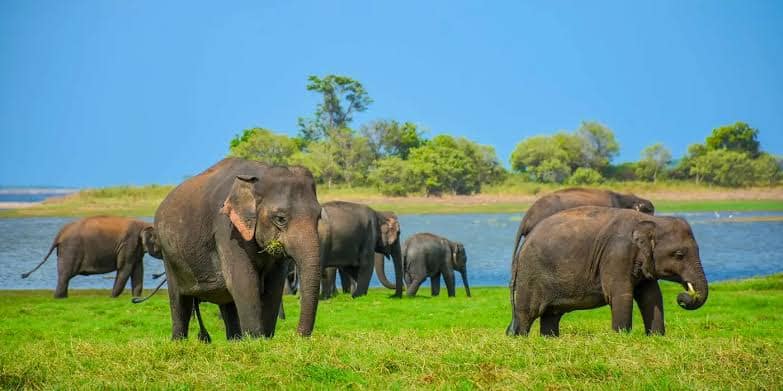
The single most important choice is to watch elephants in the wild. Sri Lanka's national parks, especially Udawalawe and, in season, Minneriya and Kaudulla, offer superb sightings from a jeep. Riding elephants, bathing with them or watching them perform involves training and captivity that cause them harm.
The Elephant Transit Home at Udawalawe, which raises orphaned calves for release to the wild and allows no contact, is generally considered a responsible option. Pinnawala and private elephant attractions have faced criticism over the years.
Wild elephants sometimes stand by roads, especially near Habarana, Sigiriya and Udawalawe, waiting for food. Never feed them; it teaches them to approach vehicles and leads to conflict.
- →Wild, from a jeep.
- →No rides, bathing or shows.
- →Never feed roadside elephants.
Jeep etiquette
In busy parks, especially Yala's Block 1, many jeeps can gather around a sighting. Ask your driver to keep a respectful distance, turn off the engine when stopped, stay on the tracks and not race between sightings or block an animal's path.
Keep voices low and stay seated. Do not throw food or litter, and take all rubbish out of the park. Choose an operator with a reputation for good conduct, even if it costs a little more.
Lankan Stays & Trails briefs its safari partners on these expectations and chooses drivers who follow them.
- →Distance and engines off.
- →No racing or blocking.
- →Quiet and seated.
Whales and dolphins
Whale watching off Mirissa and Trincomalee can be wonderful, but too many boats too close cause stress. Choose an operator that keeps a distance from whales, approaches from the side rather than head-on, limits time with each animal and does not chase.
Ask questions before booking: how close do they go, how many boats do they run, do they follow guidelines? A reputable operator will answer clearly.
- →Distance, not chasing.
- →Approach from the side.
- →Ask before booking.
Turtles
Several turtle hatcheries operate along the south and west coasts. Some do genuine conservation, collecting eggs at risk and releasing hatchlings at night soon after they hatch. Others keep hatchlings or adults in tanks for display and let visitors handle them, which harms the animals.
Choose a hatchery that releases hatchlings promptly, does not allow handling and does not keep adults in small tanks. Better still, watch wild turtles nesting at Rekawa with community rangers, without torches or flash.
On beaches, never approach nesting turtles closely, shine lights at them or disturb tracks and nests.
- →Prompt release, no handling.
- →Rekawa: wild nesting.
- →No lights near nests.
Monkeys, souvenirs and other choices
Monkeys at temples and viewpoints are often fed by visitors, which makes them bold and sometimes aggressive. Do not feed them, keep food out of sight and hold bags firmly.
Avoid souvenirs made from shells, coral, turtle shell, ivory or other wildlife products. Avoid photographs with captive animals, such as snakes or slow lorises, offered on beaches and streets.
Small choices on a short trip add up, because millions of visitors make them.
- →Do not feed monkeys.
- →No wildlife souvenirs.
- →No photos with captive animals.
Building ethics into a 5-day plan
On a five-day route, ethical choices rarely cost time. An afternoon elephant drive at Minneriya replaces an elephant ride; Rekawa's turtle watch replaces a tank hatchery; a reputable whale operator leaves from the same harbour as the others.
When booking, tell your operator or driver that responsible wildlife watching matters to you. Most will respect that and plan accordingly.
Paying park fees, hiring local guides and staying in lodges that employ people from nearby villages also matter. Communities that earn a living from wildlife tourism have a strong reason to protect the animals, which is one of the best arguments for visiting at all.
Frequently asked questions
Is it ethical to ride elephants in Sri Lanka?
Riding elephants is widely considered unethical, because training and riding cause the animals harm and stress, and captive elephants often live in poor conditions. The ethical alternative is watching wild elephants from a jeep in a national park such as Udawalawe or Minneriya.
Is the Elephant Transit Home ethical?
The Elephant Transit Home at Udawalawe is generally considered one of the more responsible elephant facilities in Sri Lanka. It raises orphaned calves and releases them back to the wild, and visitors watch feeding from a platform without any contact.
How can I choose an ethical safari driver?
Ask your hotel or operator for drivers with a reputation for good conduct: keeping a respectful distance, turning off engines at sightings, staying on tracks and not racing. Tell the driver at the start that you prefer a calm drive to a close view.
Are turtle hatcheries in Sri Lanka ethical?
Some turtle hatcheries do genuine conservation, while others keep turtles in tanks and allow handling. Choose one that releases hatchlings promptly at night, does not allow handling and does not keep adults in small tanks. Watching wild nesting at Rekawa is a good alternative.
Should I feed monkeys at temples?
No. Feeding monkeys at temples and viewpoints makes them bold and sometimes aggressive, and is bad for their health. Keep food out of sight, hold bags firmly and do not smile with bared teeth, which monkeys can read as a threat.
How close do whale boats get?
Responsible whale-watching operators keep a distance from whales, approach from the side and do not chase or surround them. Irresponsible operators may go much closer. Ask before booking how close they go and whether they follow guidelines.
Is it ethical to photograph wildlife at night?
Photographing wildlife at night with flash or bright torches can disturb or disorient animals, especially nesting turtles and nocturnal species. Follow guides' instructions, use only dim red light where allowed and never use flash on turtles. Many night experiences ban photography altogether.