
Quick answer
On a 5-day Sri Lanka trip, one game drive is enough for wild elephants, at Udawalawe or Minneriya in season. Two or three drives suit a mixed trip with elephants and a try for leopards at Yala. Four or five drives, over three nights near one park, give the best realistic chance of a leopard. More than five usually adds fatigue rather than sightings. Each drive is roughly three to four hours, or a full day.
Key takeaways
- One drive is usually enough for wild elephants at Udawalawe or Minneriya in season.
- Two or three drives suit a culture and wildlife mix.
- Four or five drives give the best realistic chance of a leopard.
- A half-day drive is roughly three to four hours; a full day covers more ground.
- Drives at dawn and late afternoon are best; midday is hot and quiet.
One safari
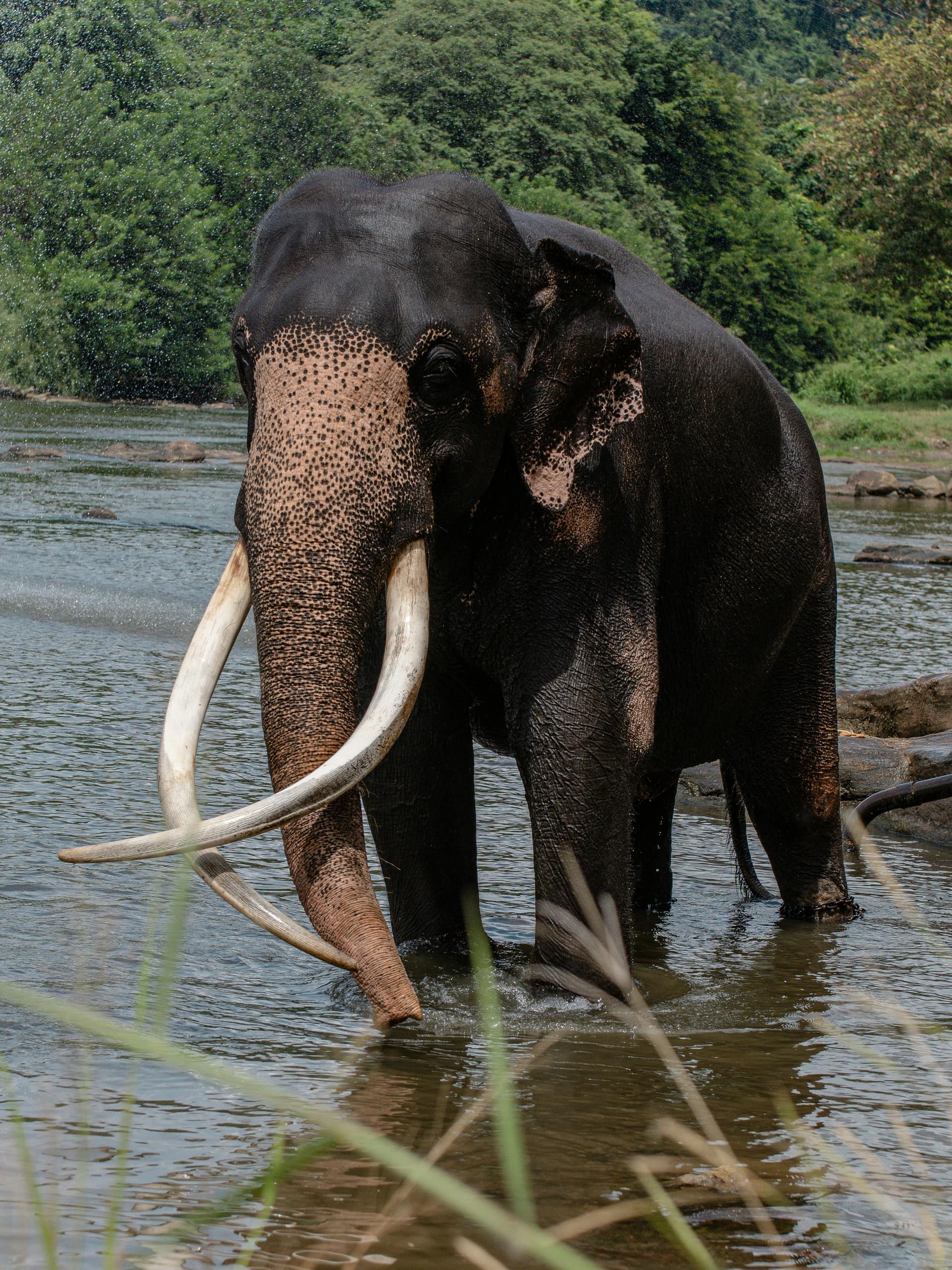
One game drive is enough if your goal is wild elephants. Udawalawe has elephants in almost every drive all year, and Minneriya, Kaudulla or Hurulu are excellent roughly July to October, during the gathering. A single afternoon drive from Sigiriya or Habarana fits easily into a culture and beach route.
One drive is not enough if you hope to see a leopard. Even in Yala, a single drive is a lottery: some visitors see one, many do not.
A one-drive trip suits families with young children, travellers who dislike early starts and anyone for whom wildlife is one part of a broader trip.
- →Goal: elephants.
- →Parks: Udawalawe, Minneriya, Kaudulla.
- →Fits a culture route.
Two or three safaris
Two or three game drives suit a trip that mixes wildlife with culture or a beach. A common pattern is one elephant drive and one or two Yala drives, including a dawn drive for leopards.
Two drives at Yala give a reasonable chance of a leopard, though not a high one. Spreading them across dawn and late afternoon, and ideally different blocks, helps.
This is the most popular number on five-day trips, because it leaves time for other things.
Two or three drives also suit travellers who are unsure whether they will enjoy safaris. Many first-time visitors find one drive thrilling and a second rewarding, and only then know whether they want more. Booking two leaves room to add a third on the spot if you love it.
- →One elephant drive, one or two Yala drives.
- →Dawn and afternoon.
- →Leaves time for culture or beach.
Four or five safaris
Four or five game drives make the trip a wildlife trip. This number is best for travellers whose priority is a leopard, a bear or good photographs, because time in the park is the biggest factor in sightings.
A typical pattern is three nights near Yala, with an afternoon drive on arrival, two drives on the second day, a full day or a dawn drive on the third and a final dawn drive before leaving. A quieter block on one drive adds variety.
Most visitors who try this hard see at least one leopard, but nothing is guaranteed.
- →Three nights near one park.
- →Mix of blocks and times.
- →Best realistic leopard odds.
When more is too much
Each game drive involves either an early start, often before 5 am, or a hot afternoon. Many travellers find that after four or five drives the early starts and dust outweigh the extra sightings.
Children also tire of long drives. For families, two or three drives with plenty of rest are usually better than five.
Lankan Stays & Trails can help you choose the number of drives that fits your interests and energy.
- →Early starts add up.
- →Dust and heat.
- →Children tire quickly.
Half day or full day
A half-day drive, roughly three to four hours at dawn or late afternoon, catches the most active times. A full-day drive, with a packed lunch, covers more ground and reaches remote areas, which is valuable at large parks such as Wilpattu.
For most travellers, two half-day drives are more rewarding than one full day. For dedicated photographers and big parks, a full day can be worth it.
- →Half day: three to four hours.
- →Full day: more ground, longer.
- →Two halves often better.
Which number suits whom
Families with young children: one or two drives. First-time visitors with a mixed route: two or three. Photographers and leopard seekers: four or five. Birders: two or three, plus wetland walks.
Whatever the number, choose an experienced driver who keeps a respectful distance, because a good driver improves both sightings and the experience.
Frequently asked questions
How many safaris do I need to see elephants?
One game drive is usually enough to see wild elephants in Sri Lanka, especially at Udawalawe, where they are seen in almost every drive, or at Minneriya and Kaudulla roughly July to October. Late afternoon drives are often best.
How many safaris do I need to see a leopard?
There is no guaranteed number, but four or five game drives in Yala give the best realistic chance on a short trip. Two drives give a reasonable chance. Spreading drives across dawn and late afternoon, and across blocks, improves the odds.
Can I do two safaris in one day?
Yes. Many travellers do a dawn drive and a late-afternoon drive on the same day, resting at the hotel in the heat of midday. It is tiring but efficient, especially on a short trip with only two or three nights near a park.
Is a full-day safari worth it?
A full-day safari is worth it at large parks such as Wilpattu, where the best areas are far from the gates, and for dedicated photographers. For most travellers, two half-day drives at dawn and late afternoon are more rewarding and less tiring.
How long is a safari in Sri Lanka?
A half-day game drive in Sri Lanka usually lasts roughly three to four hours, at dawn or in the late afternoon. A full-day drive lasts from the gates opening until the afternoon, with a packed lunch. Timings vary by park.
Should I do safaris at more than one park?
Visiting two parks adds variety: Udawalawe for elephants and Yala for leopards is a classic pair, roughly 1.5 to 2 hours apart. One park with several drives suits travellers focused on one animal.
Do I need to book safaris in advance?
In busy months, roughly December to April and during school holidays, booking jeeps in advance is wise, especially for dawn drives at Yala. At other times, hotels and drivers can usually arrange a jeep a day ahead. Park tickets are bought at the gate or through the operator.