
Quick answer
Footwear for a 10-day Sri Lanka itinerary should cover four distinct needs: closed shoes with good grip for the Sigiriya climb, easy-to-remove shoes or sandals for temple visits where bare feet are required, comfortable walking shoes for hill-country trails, and sandals or flip-flops for the beach. Two or three pairs generally cover the whole trip: one closed, grippy pair, one easy-off pair, and sandals, rather than a shoe for every single activity.
Key takeaways
- The Sigiriya climb on day 3 needs closed shoes with real grip, since the route mixes stone steps with open metal stairways.
- Bare feet are required inside temples, including the Temple of the Tooth in Kandy, so easy-to-remove shoes or sandals save considerable time and hassle.
- Hill-country walks around Ella or Nuwara Eliya on day 7 are easier in proper walking shoes than in sandals, given uneven trails and occasional mud.
- The south-coast finish on days 9-10 is best suited to sandals or flip-flops, with closed shoes largely unnecessary by that stage of the trip.
- Two or three pairs of shoes, one closed and grippy, one easy-off pair, and sandals, generally cover this entire 10-day route without overpacking.
Why footwear needs change across this trip
This 10-day itinerary moves through more distinct terrain than most single trips: a steep rock climb, temples requiring bare feet, hill-country trails and sandy beaches, all within ten days. Packing the right two or three pairs of shoes, rather than either one do-it-all pair or an overpacked bag of options, makes each of these legs noticeably more comfortable.
The general principle worth following is to match footwear to the day's main activity rather than trying to find a single compromise shoe that works adequately everywhere but well nowhere.
Closed shoes with grip for the Sigiriya climb
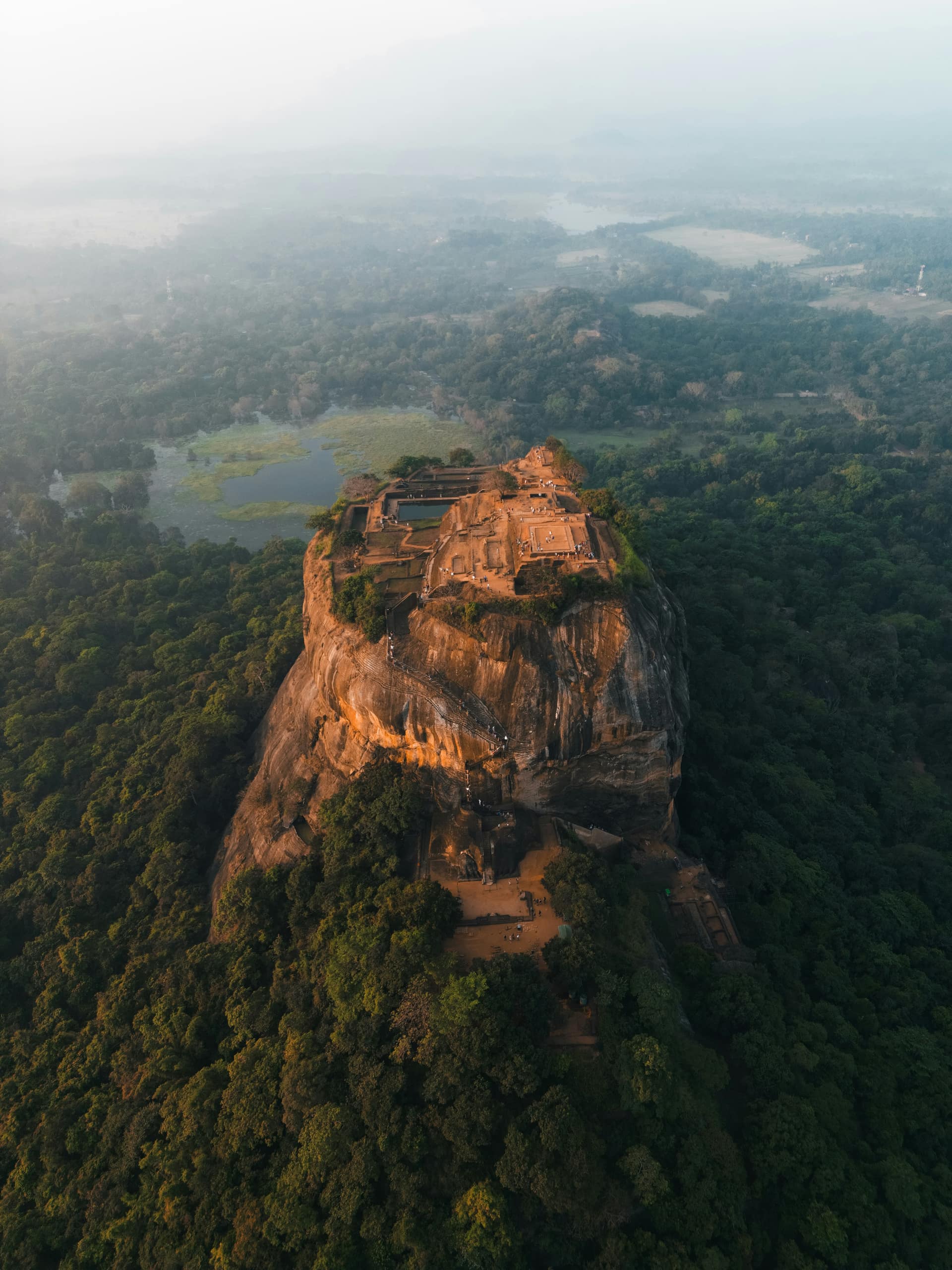
Day 3's Sigiriya climb involves a mix of worn stone steps and later open metal stairways bolted onto the rock face, and by mid-morning these surfaces can get hot and, occasionally, slightly slippery with foot traffic. Closed shoes with a real tread, trainers or light hiking shoes rather than smooth-soled casual shoes, make a genuine difference to comfort and confidence on this climb.
Sandals are not recommended for Sigiriya, both because of the terrain and because the open metal stairways offer little protection if a foot slips on a step edge. This is the one activity on the whole trip where footwear choice most directly affects both comfort and safety.
- →Closed shoes with a real tread, trainers or light hiking shoes, are strongly preferred for the Sigiriya climb.
- →Avoid sandals or smooth-soled casual shoes on the metal stairway sections.
- →The same shoes generally work for Pidurangala's rougher, more scrambly final section if that climb is also done.
Easy-off shoes for temple visits
Bare feet, and in some cases bare shoulders and knees covered, are required inside temples on this route, most notably the Temple of the Tooth in Kandy visited on the evening of day 5, as well as the cave temples at Dambulla on day 3 or 4. Shoes that slip on and off easily, rather than lace-up trainers, save real time and hassle at these stops, particularly when queuing with a group.
Sandals with a back strap, or simple slip-on shoes, work well for this purpose and can double as general daytime footwear on lighter sightseeing days, reducing the total number of shoe pairs needed for the trip.
- →Bare feet are required inside the Temple of the Tooth in Kandy and the Dambulla cave temples.
- →Slip-on shoes or backstrap sandals save time compared with lace-up trainers at temple entrances.
- →A shaded area or shoe rack is often available near temple entrances for leaving footwear briefly.
Walking shoes for hill-country trails
Day 7's full day in hill country around Ella or Nuwara Eliya often involves walking on uneven, occasionally muddy trails, whether around tea plantations, to a viewpoint, or on a shorter local walk. Proper walking shoes or trainers with decent tread make this day noticeably more comfortable than sandals, which offer little grip or protection on wet or uneven ground.
Hill-country mornings and evenings are also noticeably cooler than the coast, so closed shoes suit the general climate of this leg better than open sandals in any case.
- →Uneven, occasionally muddy trails around Ella or Nuwara Eliya are easier in walking shoes than sandals.
- →Hill-country mornings and evenings are cooler, which also favours closed shoes over open sandals.
- →A light pair of walking shoes generally doubles as a comfortable option for general daytime wear elsewhere on the trip.
Sandals for the beach, and footwear for the safari
The south-coast finish on days 9-10 is where sandals or flip-flops come into their own, and closed shoes are largely unnecessary by this stage of the trip. Comfortable, quick-drying sandals suit the beach, casual coastal dinners and the general relaxed pace of the final days.
For the wildlife safari on day 8, comfortable closed shoes or trainers are generally more practical than sandals, since safari vehicles can be dusty and mornings start cool, even though the activity itself is entirely vehicle-based rather than involving significant walking.
- →South-coast days 9-10: sandals or flip-flops are sufficient; closed shoes are largely unnecessary.
- →Safari day 8: closed shoes or trainers suit the cool, dusty early-morning vehicle ride better than sandals.
What to actually pack
In practice, two or three pairs of shoes cover this entire ten-day route comfortably: one closed pair with good grip for Sigiriya, hill-country walks and the safari, one pair of easy-off sandals or slip-ons for temples and general daytime use, and a pair of beach sandals or flip-flops for the coastal finish. Overpacking footwear is one of the more common unnecessary additions to luggage on this trip.
Lankan Stays & Trails suggests Swiss travellers pack along these lines: prioritise grip and comfort for the Sigiriya climb specifically, since that is the one day where the wrong footwear choice has the most noticeable impact on the day.
Frequently asked questions
What shoes should I wear to climb Sigiriya?
Closed shoes with a real tread, trainers or light hiking shoes, are strongly recommended for the Sigiriya climb, since the route mixes stone steps with open metal stairways that can get hot and occasionally slippery. Sandals are not recommended.
Do I need to take my shoes off at temples in Sri Lanka?
Yes, bare feet are required inside temples on this route, including the Temple of the Tooth in Kandy and the Dambulla cave temples. Shoes that slip on and off easily save considerable time and hassle compared with lace-up trainers.
What footwear is best for hill country walks around Ella?
Proper walking shoes or trainers with decent tread, since trails around Ella and Nuwara Eliya can be uneven and occasionally muddy. Sandals offer little grip or protection on this terrain, and hill-country mornings are also cooler.
Can I wear sandals for the whole 10-day Sri Lanka trip?
No, sandals alone are not recommended for the whole trip. The Sigiriya climb needs closed shoes with grip, and hill-country trails are easier in walking shoes, though sandals work well for temples, the beach and general relaxed days.
How many pairs of shoes should I pack for Sri Lanka?
Two or three pairs generally cover this entire route: one closed pair with good grip for Sigiriya, hill country and the safari, one easy-off pair for temples, and beach sandals or flip-flops for the south-coast finish.
What shoes are best for a Sri Lanka safari?
Comfortable closed shoes or trainers suit the safari better than sandals, given cool, dusty early mornings, even though the activity itself takes place entirely from within the safari vehicle rather than on foot.
Is it worth bringing hiking boots to Sri Lanka?
Full hiking boots are generally unnecessary for this itinerary. Light trainers or hiking shoes with decent tread are sufficient for the Sigiriya climb and hill-country trails, without the extra weight and heat of full boots.