
Quick answer
For the 10-day Sri Lanka itinerary, two to three pairs of shoes cover the whole route: closed shoes with good grip for the Sigiriya climb and the Yala safari jeep, easy-to-remove sandals or slip-ons for temple visits at Dambulla and Kandy where footwear comes off, and separate sandals or flip-flops for the beach finish. Trainers already broken in before the trip work best for Sigiriya, since the roughly 1,200 steps and metal staircases are not the place to discover a new pair causes blisters.
Key takeaways
- Closed shoes with good grip are essential for the Sigiriya climb's steep metal staircases; sandals are not suitable for this specific ascent.
- The same closed shoes double comfortably for the Yala safari jeep and any short walks around Ella or Little Adam's Peak.
- Slip-on sandals or shoes that remove easily save real time at temple entrances, where footwear comes off before entering.
- New shoes should never be worn for the first time on the Sigiriya climb; break them in before the trip to avoid blisters.
- Flip-flops or beach sandals, separate from the closed shoes, are worth packing specifically for the final south-coast stretch.
Shoes for the Sigiriya climb
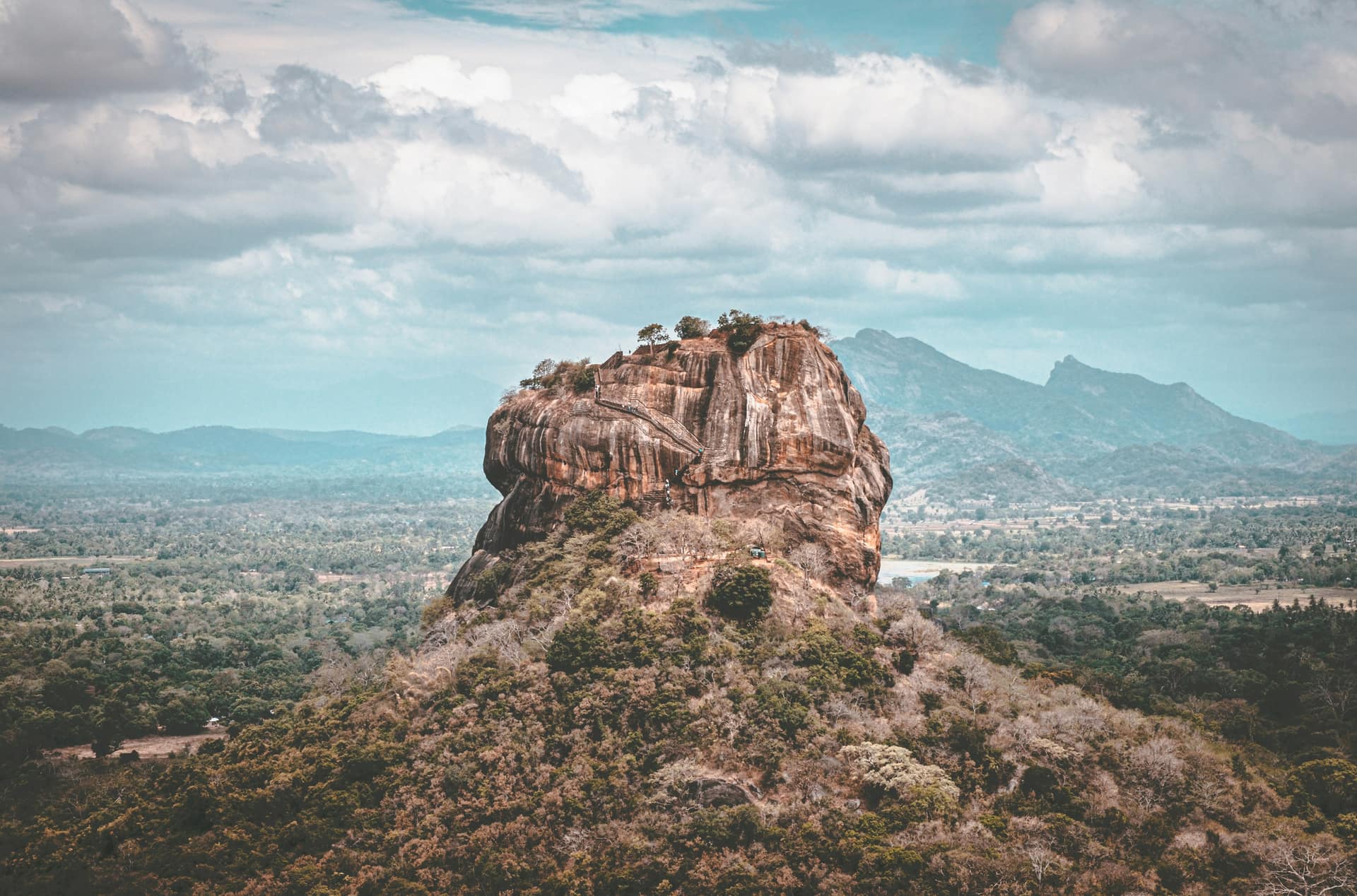
The roughly 1,200 steps up Sigiriya Rock include steep metal staircases fixed to the rock face for the final ascent, terrain where sandals or flip-flops are genuinely unsuitable rather than merely uncomfortable. Closed shoes with a grippy sole, trainers or light hiking shoes, are the right choice.
These shoes should already be broken in before the trip; a rock climb on day three of a ten-day itinerary is the wrong place to discover a new pair of shoes causes blisters, since the discomfort would then follow through several more days of walking.
Footwear for temple visits
Dambulla's cave temples, the Temple of the Sacred Tooth Relic in Kandy, and Sigiriya's own summit area all require shoes to be removed before entering, so footwear that slips on and off quickly, sandals or simple slip-on shoes, saves real time and hassle at each entrance.
Socks are worth carrying separately for temple visits on cooler days or at sites with hot stone floors underfoot in direct sun, giving a layer of comfort without technically counting as footwear once removed at the door.
- →Slip-on sandals or shoes: fastest at temple entrances where footwear comes off.
- →A spare pair of socks: useful comfort on hot stone floors at some temple sites.
- →Avoid shoes with complicated laces or buckles for temple-heavy days.
Safari and beach footwear
The same closed shoes used for Sigiriya work well for the Yala safari jeep on day eight, offering more protection and comfort than sandals during the roughly three-to-four-hour drive over uneven park tracks.
Flip-flops or beach sandals, ideally a separate pair from anything worn on dustier days, are worth packing specifically for the south-coast finish on days nine and ten, when the trip's pace and footwear needs both genuinely shift toward the beach.
How many pairs is actually enough
Two pairs cover this route comfortably for most travellers: one pair of closed, broken-in shoes for Sigiriya and the safari, and one pair of sandals or flip-flops for temples, casual wear and the beach.
A third pair, dedicated beach sandals kept separate from everyday sandals, is a reasonable upgrade rather than a necessity, mainly useful for travellers who want to keep sand out of shoes worn earlier in the trip.
Packing footwear for the transitions
Packing footwear with the day-by-day route in mind, rather than a single generic pair for the whole trip, avoids the two most common footwear mistakes on this itinerary: sandals on the Sigiriya climb and laced shoes at temple entrances.
Lankan Stays & Trails flags the Sigiriya footwear requirement specifically in pre-trip notes for Turkish travellers, since it is the single detail most likely to affect how much day three is actually enjoyed.
Frequently asked questions
Can you wear sandals to climb Sigiriya?
No, this is not recommended. The steep metal staircases on the upper ascent require closed shoes with good grip; sandals or flip-flops are genuinely unsuitable for this specific climb rather than merely less comfortable.
What shoes should you pack for a Yala safari?
The same closed shoes used for the Sigiriya climb work well, offering more protection and comfort than sandals during the roughly three-to-four-hour jeep drive over uneven park tracks.
Do you need to take your shoes off at Sri Lankan temples?
Yes, at active temple sites including Dambulla's cave temples, the Temple of the Sacred Tooth Relic in Kandy, and Sigiriya's summit area, footwear comes off before entering, so easy-to-remove shoes or sandals are worth packing.
How many pairs of shoes do you need for a 10-day Sri Lanka trip?
Two pairs cover most travellers comfortably: closed, broken-in shoes for Sigiriya and the safari, and sandals or flip-flops for temples, casual wear and the beach finish.
Should you break in new shoes before a Sri Lanka trip?
Yes, strongly recommended. The Sigiriya climb on day three is not the place to discover a new pair of shoes causes blisters, since the discomfort would then affect several more walking-heavy days of the itinerary.
What footwear works best for the beach days in Sri Lanka?
Flip-flops or beach sandals, ideally kept separate from shoes worn on dustier days earlier in the trip, suit the final south-coast stretch at Mirissa or Unawatuna well.