
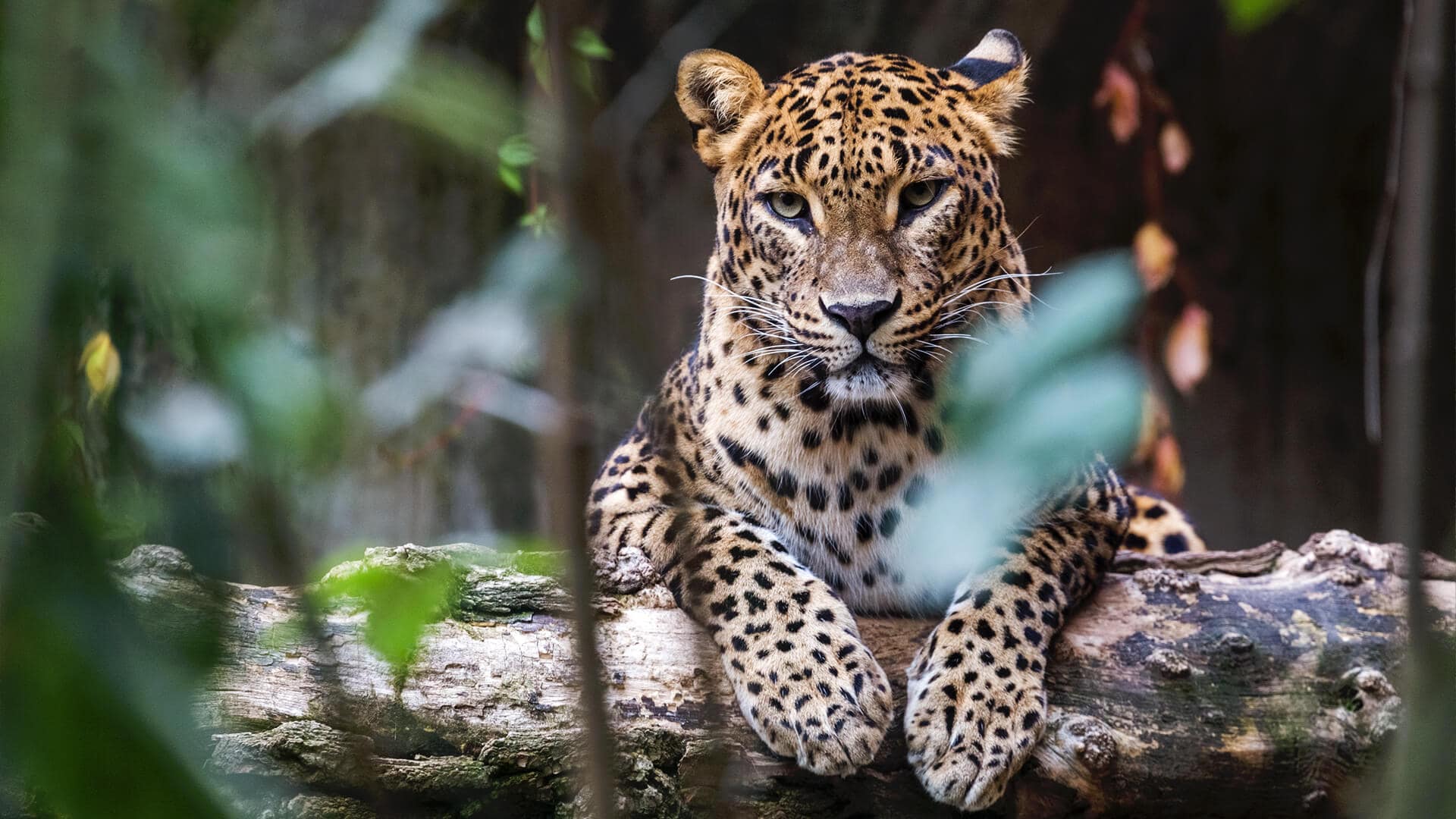
Quick answer
A Yala safari deserves 2 nights and 2 full game drives, one at dawn and one in the afternoon, for an American traveller who wants a meaningful chance of a leopard or elephant sighting rather than a single roll of the dice. One drive is workable if time is genuinely tight, but wildlife sightings are never guaranteed on any single outing, and a second drive at a different time of day meaningfully improves the overall odds across the visit. Dawn drives generally offer the best light and the most animal activity, since Yala's wildlife is more active in the cooler early hours.
Key takeaways
- Two game drives, one dawn and one afternoon, meaningfully improve overall sighting odds compared with a single drive.
- Yala's wildlife, including leopards, is generally more active in the cooler early morning and late afternoon hours than at midday.
- Sightings are never guaranteed on any single drive; this is genuine wildlife viewing, not a scheduled show.
- Staying 2 nights near the park allows one afternoon and one dawn drive without an early-morning transfer eating into the first drive.
- Yala's dry season runs roughly February to July, when animals concentrate more predictably around remaining water sources.
One drive versus two
A single game drive at Yala, whether dawn or afternoon, gives a reasonable but genuinely limited chance of a strong sighting, since wildlife viewing depends on where the animals happen to be that specific morning or afternoon, not on a fixed schedule. A second drive at a different time of day roughly doubles the number of opportunities without doubling the risk of both being quiet, since dawn and afternoon conditions and animal behaviour differ meaningfully.
For American travellers who have already committed to the roughly 19 to 22 hour flight to reach Sri Lanka, a single Yala drive can feel like an underwhelming way to spend a wildlife day if it happens to be quiet. Two drives spread the risk and, in most travellers' experience, produce a noticeably better overall wildlife day.
- →One drive: a reasonable single chance, but entirely dependent on where wildlife happens to be that outing.
- →Two drives (dawn and afternoon): meaningfully better overall odds across the stay, at a modest extra cost in time.
- →Sightings are never guaranteed on any drive; even two drives is not a promise, only better odds.
Why the dawn drive matters most
Yala's wildlife, leopards especially, is generally more active during the cooler hours around dawn and again in the late afternoon, retreating into shade and resting through the hottest part of the midday hours. A dawn drive therefore tends to offer both the best light for photography and the highest animal activity of the day.
This is the single strongest argument for staying overnight near the park rather than attempting a day trip from further away: a dawn drive requires being at the park gates at or before sunrise, which is only realistic without a punishing early transfer if the previous night was spent nearby, in Tissamaharama or Kirinda.
Why 2 nights beats 1
Staying 2 nights near Yala allows an afternoon drive on the day of arrival and a dawn drive the following morning, without needing to travel a significant distance before either. A single overnight stop generally only accommodates one drive comfortably, either the arrival afternoon or the following dawn, but rarely both without a rushed schedule.
Two nights also builds in a small margin if weather or park conditions affect one drive, and avoids the sense of having travelled a long way for what amounts to a single roughly 3 to 4 hour outing.
- →2 nights near the park: allows both an afternoon and a dawn drive without a rushed schedule.
- →1 night: generally accommodates only one comfortable drive, arrival afternoon or the following dawn.
- →Staying in Tissamaharama or Kirinda keeps transfer time to the park gates to a practical minimum for a dawn start.
The best season for a Yala safari
Yala's dry season runs roughly February to July, when remaining water sources concentrate wildlife more predictably and park tracks are generally in better condition. Outside this window, sightings become somewhat less predictable, though the park remains open and worthwhile for most of the year.
American travellers building Yala into a wider itinerary should weigh this season against their overall trip dates, but should not feel Yala is only worth visiting within the dry-season window specifically, since it remains one of the world's best leopard-viewing destinations across most of the year.
Planning the safari into a wider itinerary
For American travellers combining Yala with the south coast, which is a natural pairing given the park's location in the southeast, 2 nights and 2 drives fits comfortably as a segment within a 10 to 14 day trip without significantly extending the overall route.
Lankan Stays & Trails arranges Yala as a 2-night, 2-drive segment with licensed, ethical operators who keep respectful distance from wildlife and avoid off-road driving, timed with a dawn drive on the second morning to make the most of the park's most active hours.
Frequently asked questions
How many days do you need for a Yala safari?
2 nights, allowing 2 game drives, one dawn and one afternoon, is the recommended minimum for a meaningful chance of a strong sighting. One drive is workable if time is tight, but reduces the overall odds significantly.
Is one game drive enough at Yala?
It's workable but limited. A single drive depends entirely on where wildlife happens to be at that specific time, while a second drive at a different time of day roughly doubles the opportunities across the stay.
Why is the dawn drive better than the afternoon drive at Yala?
Yala's wildlife, including leopards, is generally more active in the cooler early morning hours, retreating to shade through the hottest part of the day. Dawn drives typically offer both the best light and the highest chance of activity.
What is the best time of year for a Yala safari?
Roughly February to July, Yala's dry season, when remaining water sources concentrate wildlife more predictably. The park remains open and worthwhile outside this window too, though sightings are somewhat less predictable.
Is a leopard sighting guaranteed at Yala?
No. Sightings are never guaranteed on any single drive, since this is genuine wildlife viewing, not a scheduled show. Two drives at different times of day meaningfully improve the overall odds across a stay.
Where should you stay for a Yala safari?
Tissamaharama or Kirinda, both close to the park gates, keep transfer time practical for a dawn start. Staying overnight nearby, rather than day-tripping from further away, is what makes both a dawn and afternoon drive realistic.