
Quick answer
At Sri Lanka's Buddhist sites, American travellers should never touch a Buddha statue, walk clockwise (keeping the shrine on your right) around any stupa, and leave a modest, discretionary donation in the temple's collection box rather than handing cash directly to a monk. Roughly the same amount you'd leave in a museum donation box at home is a reasonable guide, there's no fixed fee. Monks are approached quietly and not photographed without asking first, and physical contact with a monk, including handshakes, is avoided.
Key takeaways
- Walking clockwise around a stupa, keeping it on your right, is the expected direction at every Buddhist site in Sri Lanka, from Anuradhapura's dagobas to Kandy's Temple of the Sacred Tooth Relic.
- Touching a Buddha statue is considered disrespectful at any site, including archaeological ones like Sigiriya and Dambulla where the statues look more like artefacts than active shrines.
- Donations go into the temple's collection box, not directly into a monk's hand; a modest, discretionary amount is appropriate rather than a fixed fee.
- Physical contact with a monk, including a handshake, is avoided; a respectful nod or a slight bow of the head is the appropriate greeting instead.
- Dambulla's cave temples and Sigiriya's frescoes carry full temple etiquette even though both sites are visited mainly as archaeological attractions.
Beyond the dress code: why conduct matters too
Buddhist sites in Sri Lanka ask more of visitors than covered shoulders and bare feet. How you move around a stupa, whether you touch a statue, and how you interact with monks all carry meaning that isn't obvious to a first-time American visitor, and none of it is explained by a sign at the entrance.
This matters most at sites that double as both heritage attractions and active places of worship, Sigiriya, Dambulla and Kandy chief among them, where archaeological curiosity and genuine devotion share the same space.
How to act around monks
Monks are approached quietly and with a measure of deference, without needing elaborate ritual from a visitor. A respectful nod or slight bow of the head is appropriate; a Western-style handshake is not, since physical contact between a monk and anyone outside the monastic community, particularly women, is avoided as a matter of religious discipline rather than personal preference.
Photographing a monk without asking first is a common American misstep, treating the scene as picturesque rather than as a person going about a devotional life. A quick, polite request usually gets a yes; skipping it doesn't.
- →Greet a monk with a nod or slight bow rather than a handshake or other physical contact.
- →Ask before photographing a monk, the same courtesy you'd extend to anyone at a place of worship.
- →Lower your voice and give monks space to move through crowded areas, especially during ceremonies.
Donation etiquette: how much, and how
Donations at Sri Lankan Buddhist sites go into a collection box, not directly into a monk's hand. There's no fixed fee, and exact figures vary by site and by what feels right for the visit, so treat it the way you would a donation box at a cathedral or museum back home, modest and discretionary rather than obligatory or precisely calculated.
Some sites also welcome small in-kind offerings, flowers or oil for lamps, sold by vendors just outside the entrance. These are optional, not a substitute for an entrance fee where one applies, and staff will explain the local custom if you ask.
Statues, stupas and the clockwise rule
Never touch a Buddha statue, at an active temple or at a site like Sigiriya or Dambulla where the statues can feel more like museum pieces than objects of worship. The rule holds regardless of how the site is presented or how many other tourists are visibly ignoring it.
Walking around a stupa or dagoba is done clockwise, keeping the structure on your right, a convention followed at every scale from Anuradhapura's ancient dagobas to a small village stupa. It's a small habit that's easy to build in from the first site you visit.
- →Never touch a Buddha statue, regardless of the site's archaeological or devotional character.
- →Walk clockwise around any stupa or dagoba, keeping it on your right at all times.
- →Avoid stepping over offerings, lamps or seated worshippers, walk around rather than through.
Sigiriya, Dambulla and Kandy: what's different at each
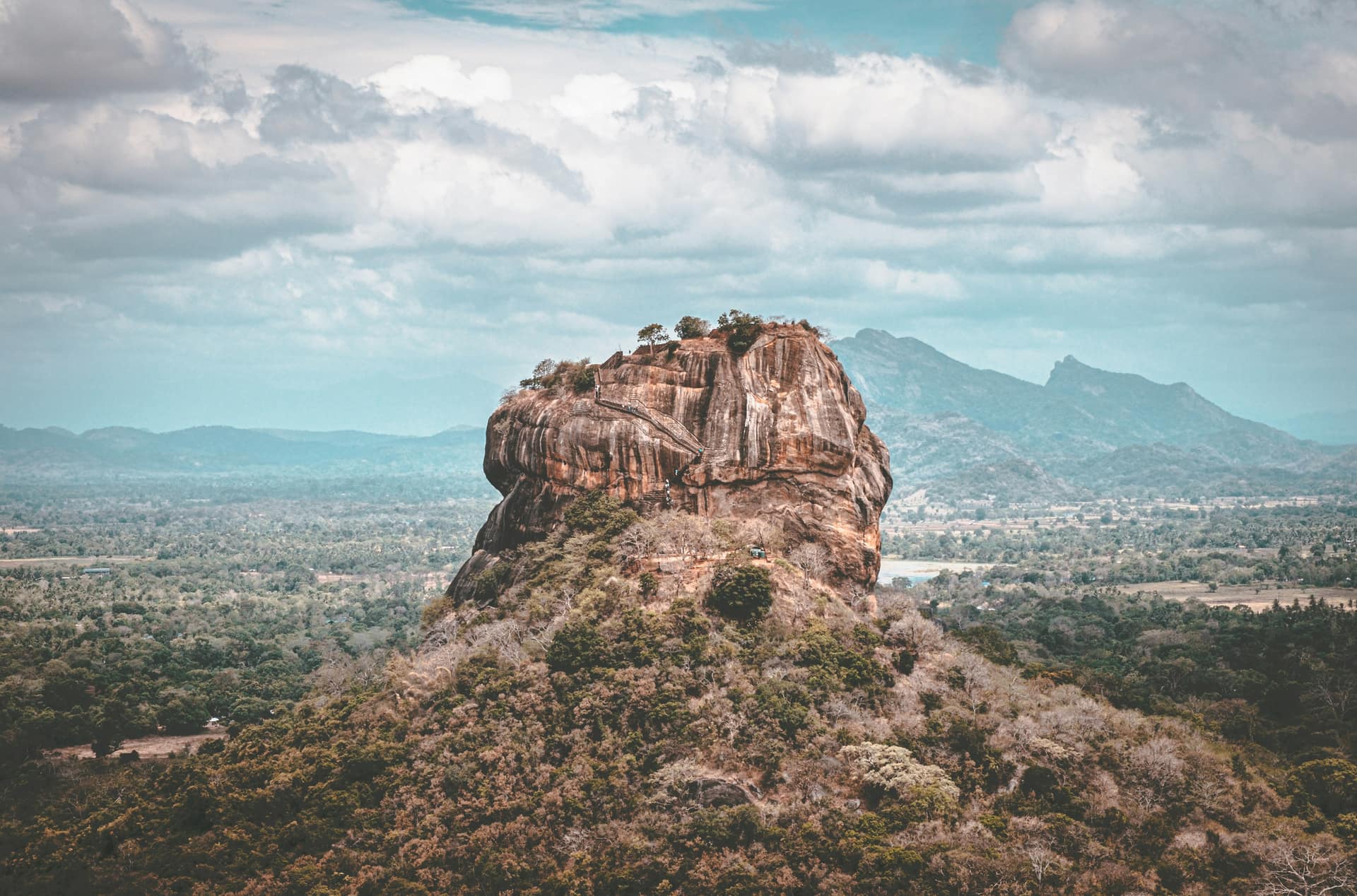
Sigiriya is visited primarily for the rock fortress and frescoes, but the summit and surrounding grounds retain religious significance, so the general conduct rules still apply even though the atmosphere feels more archaeological than devotional. Dambulla's cave temples sit closer to the active-worship end of the spectrum, with resident monks and a working shrine inside painted caves nearly two thousand years old.
Kandy's Temple of the Sacred Tooth Relic is the most consistently strict of the three, given its status as the custodian of one of Buddhism's most revered relics, with queues, security checks and close attention paid to dress and conduct, particularly on poya (full moon) days.
Planning a respectful visit
Building in a little extra time at each Buddhist site, rather than treating it as a quick photo stop between destinations, makes it far easier to observe these conventions without feeling rushed into a mistake. Our guides brief every guest on temple etiquette before the first visit, covering exactly this kind of detail alongside the dress code.
For the practical dress-code side of these visits, and for the fuller general rules covering all nationalities, see our guides to temple etiquette for American travellers and the site's complete temple etiquette guide.
Frequently asked questions
Can you touch a Buddha statue in Sri Lanka?
No, touching a Buddha statue is considered disrespectful at every site, whether it's an active temple or an archaeological attraction like Sigiriya or Dambulla. This applies regardless of how casual the setting feels or how many other visitors are present.
Which direction do you walk around a stupa in Sri Lanka?
Clockwise, keeping the stupa or dagoba on your right side throughout. This convention applies at every scale, from major sites like Anuradhapura's ancient dagobas down to a small village stupa, and is easy to build into your visit from the start.
How much should you donate at a Buddhist temple in Sri Lanka?
There's no fixed amount; a modest, discretionary donation left in the collection box is appropriate, similar to a museum or cathedral donation box back home. Money is placed in the box rather than handed directly to a monk.
Can you shake hands with a monk in Sri Lanka?
No, physical contact with a monk, including handshakes, is generally avoided, particularly between monks and women. A respectful nod or slight bow of the head is the appropriate greeting instead of a Western-style handshake.
Is Sigiriya a religious site or just a tourist attraction?
Both. Sigiriya is visited mainly for its rock fortress and frescoes, but the summit and grounds retain religious significance, so general temple conduct, no touching statues, respectful behaviour, still applies even though the atmosphere feels more archaeological.
What should you not do at Dambulla cave temple?
Don't touch statues, wear shoes inside the caves, expose shoulders or knees, or point your feet toward a Buddha image while seated. Dambulla has resident monks and an active shrine, so full temple etiquette applies despite its archaeological setting.
Do you need to be Buddhist to visit temples in Sri Lanka?
No, temples across Sri Lanka welcome visitors of all faiths and backgrounds. The expectation is respectful conduct and appropriate dress, not religious belief, and staff are generally patient with genuinely curious first-time visitors who follow the etiquette.