
Quick answer
Yes, Sri Lanka is very good for a wildlife and beach holiday. In ten days you can see wild elephants at Udawalawe, leopards in Yala, flamingos at Bundala, a nesting turtle at Rekawa and blue whales off Mirissa, with six nights on the beach and no drive longer than about four and a half hours. It falls short for travellers who want the African big five or a pure island resort holiday. December to April suits the south coast; May to September the east.
Key takeaways
- Sri Lanka combines leopards, elephants, whales and turtles with beaches on one 10-day road trip.
- The parks and beaches are within about two hours of each other on the south coast.
- Sri Lanka lacks lions, rhinos and the great migration, so it does not replace an African safari.
- There is always a calm coast: the south from December to April, the east from May to September.
- A mid-range 10-day wildlife and beach trip costs roughly US$1,000 to US$2,000 per person, excluding flights.
The short verdict
Sri Lanka is very good for a wildlife and beach holiday because few countries combine big land animals, ocean giants and good beaches so compactly. The south coast route links three national parks and three beach bases with short drives, and the wildlife continues on the coast with whales, turtles and reefs.
It is especially good for travellers who want variety without long transfers, for families who want reliable elephants and calm bays, and for anyone who wants culture and food woven into the trip.
- →Compact: parks and beaches within about two hours.
- →Varied: land, sea and reef wildlife.
- →Year-round: a calm coast in every season.
Five reasons it works
Five reasons explain why Sri Lanka works so well for a wildlife and beach holiday. Each one is something few other destinations can offer together.
Add Galle Fort, Kataragama's temples and Sri Lanka's food, and the trip offers more than wildlife and sand alone.
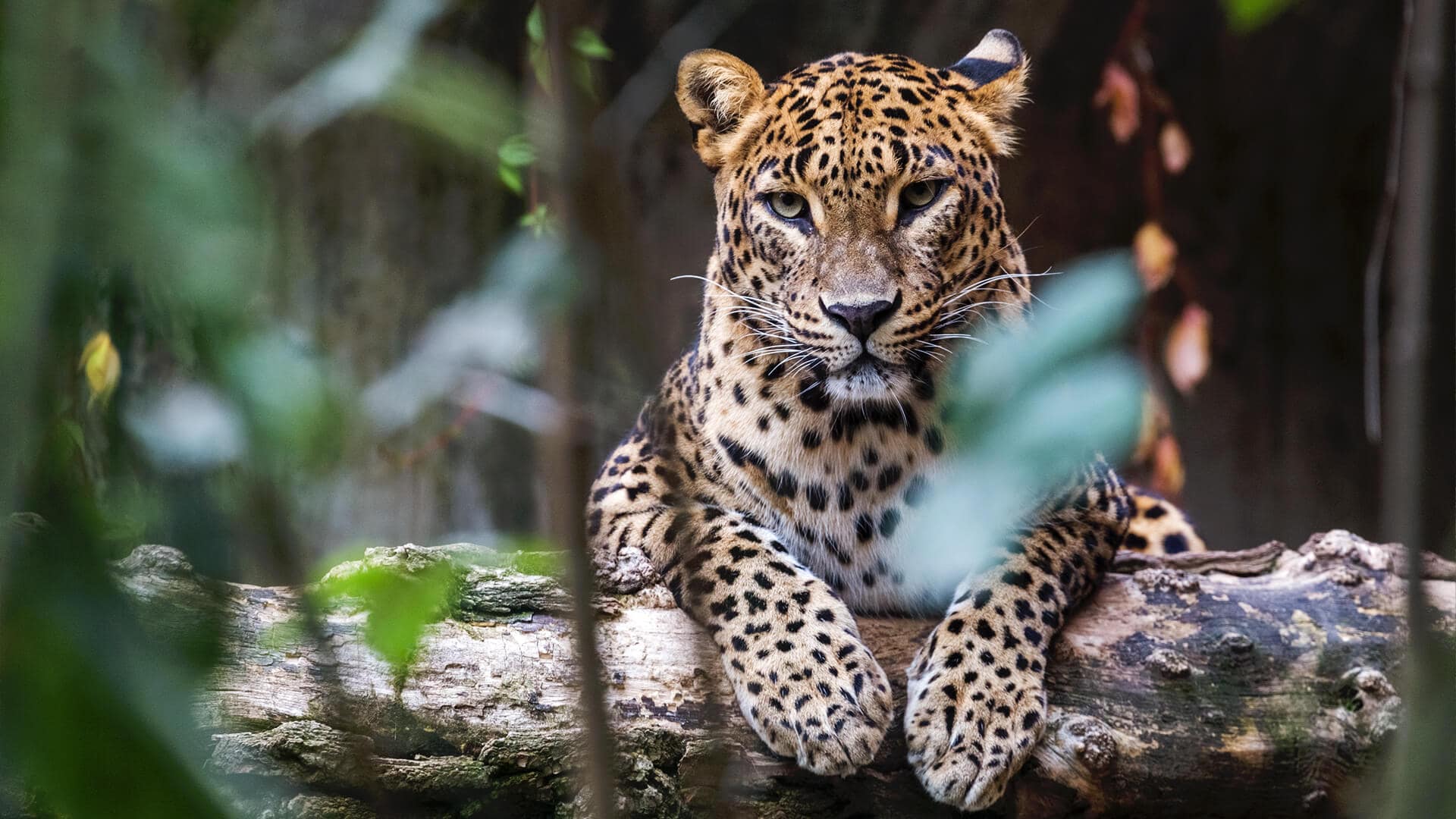
- →Leopards: Yala has one of the highest leopard densities recorded anywhere.
- →Elephants: Udawalawe shows wild herds on most drives, with the Elephant Transit Home next door.
- →Whales: Mirissa is one of the best places in the world to see blue whales, roughly December to April.
- →Turtles: five species, with a community nesting watch at Rekawa.
- →Two monsoons: there is always a calm coast somewhere on the island.
Where it falls short
Sri Lanka falls short for travellers who want the African big five: there are no lions, rhinos or giraffes, and no great migration. It also falls short for those who want a pure island resort holiday with overwater villas and white sand; the Maldives does that better.
Yala's Block I can be crowded in peak season, and leopards are never guaranteed. Some south coast beaches have strong currents. Park fees for foreigners are significant. None of these are deal-breakers, but they are worth knowing.
The ethical side needs attention too: choosing calm jeeps, licensed whale boats and no tank hatcheries makes a real difference.
- →No big five or migration.
- →Not an overwater villa destination.
- →Busy Yala at peak times.
Who it suits
Sri Lanka's wildlife and beach holiday suits couples, families, older travellers, photographers, birders and first-time wildlife watchers. It suits travellers from Europe, the Middle East, India and Australia especially well, with reasonable flight times and winter sun from December to April.
Lankan Stays & Trails plans this route most often for couples and families who want leopards, whales and a proper rest in the same trip.
It suits less well travellers who dislike heat, since the dry-zone parks are hot at midday, and those who want nightlife above all, which the south coast offers only in small doses.
- →Couples and honeymooners.
- →Families with children over about five.
- →Wildlife and bird lovers.
How to plan it
Planning a Sri Lanka wildlife and beach holiday starts with the season: December to April for the south coast route, May to September for the east. Ten days is the sweet spot, with three wildlife nights and six on the beach.
Book camps and beach hotels early for peak weeks, keep a spare morning for the whale boat, and choose drivers and boats that treat the animals well.
Frequently asked questions
Is Sri Lanka good for a safari?
Yes. Yala is one of the best places in the world to see leopards, Udawalawe offers reliable wild elephant herds, and Bundala, Wilpattu and Kumana add birds and quieter parks. It does not offer the African big five.
Is Sri Lanka good for beaches?
Yes. The south coast has palm-backed bays from Tangalle to Unawatuna, best December to April, and the east coast has calm beaches from May to September. Some open beaches have strong currents, so choose sheltered spots for swimming.
Is a wildlife and beach holiday in Sri Lanka worth it?
For most travellers, yes. In ten days you can see leopards, elephants, whales and turtles and spend six nights on the beach, with short drives. It is less suitable for those wanting African big game or a pure island resort stay.
How many days do you need for a wildlife and beach holiday in Sri Lanka?
Ten days is ideal, with three wildlife nights and six on the beach. Seven days works with fewer beach nights, and two weeks allows Sinharaja rainforest and extra safari drives.
Is Sri Lanka better than Africa for a wildlife and beach holiday?
It is different. Africa offers the big five and the migration; Sri Lanka offers leopards, elephants, blue whales and turtles on one road trip at a lower cost. Many wildlife lovers enjoy both.
Is Sri Lanka safe for a wildlife and beach holiday?
Generally yes, with sensible precautions: stay in the jeep on safari, swim only at sheltered beaches, avoid driving at night near the parks and use licensed whale boats. Travel insurance with medical cover is essential.
What is the best month for a wildlife and beach holiday in Sri Lanka?
February is often the sweet spot for the south coast route, with Yala drying out, whales off Mirissa, Bundala's birds still present and calm beaches. January to March are all excellent.
Is Sri Lanka good for a first wildlife holiday?
Very. The parks are compact, elephants are almost certain at Udawalawe, leopards are seen often in Yala, and the beach half offers rest between early starts. It is an easy introduction to wildlife travel at a moderate cost.