
Quick answer
Yala is safe for visitors who stay in the jeep and travel with a careful driver. Leopards, crocodiles and snakes pose almost no risk to people in vehicles. The real risks are elephants that are crowded or agitated, especially lone bulls and mothers with calves; speeding jeeps on rough tracks; and heat, sun and dehydration on long drives. Choosing a driver who keeps distance and speed limits, and following the park rules, removes most of the danger.
Key takeaways
- Visitors in Yala are safe from leopards, crocodiles and snakes as long as they stay in the jeep, except at designated stops.
- Elephants are the main wildlife risk in Yala, especially lone bulls in musth and mothers with young calves, when crowded by vehicles.
- Speeding jeeps on Yala's rough tracks cause more injuries than animals, which is one reason to choose a careful driver.
- Heat, sun and dehydration are the commonest problems on a Yala safari, especially on full-day and midday drives.
- Every jeep carries a Department of Wildlife Conservation tracker, and the park has rules on speed, distance and leaving the vehicle.
Is Yala safe? The short answer
Yala is safe for visitors who follow the park rules and travel with a careful driver. Thousands of people go on safari in Yala every year without incident, and the risks are well understood and easy to reduce.
The dramatic fears, a leopard leaping into a jeep or a crocodile at the roadside, are almost never the problem. The practical risks are elephants, driving and the climate.
Elephants: the main wildlife risk in Yala
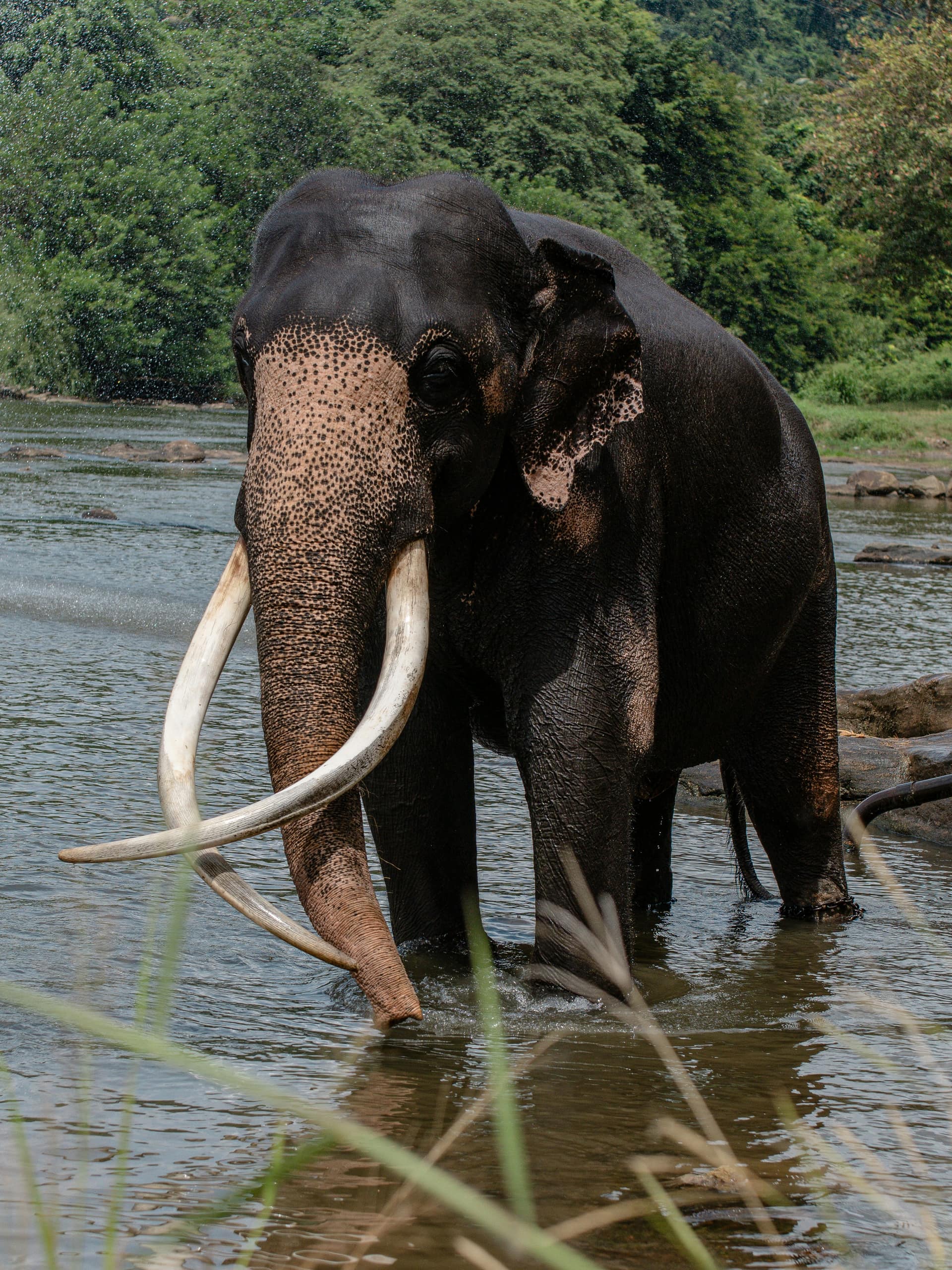
Elephants are the animal in Yala most likely to cause trouble. A lone bull in musth, with fluid running from glands on the temples, can be aggressive, and a mother with a small calf may charge if she feels crowded. Incidents usually involve jeeps that get too close or block an elephant's path.
A good driver keeps a wide distance, keeps the engine running near bulls and backs away at the first sign of agitation. Never ask a driver to get closer to an elephant.
- →Warning signs: ears spread, head raised, swinging foot, trumpeting.
- →Highest risk: lone bulls in musth and mothers with young calves.
- →Right response: back away quietly, never rush past.
Leopards, crocodiles and snakes
Leopards in Yala are used to jeeps and do not see people in them as prey or threat. They pose no real risk to visitors who stay seated in the vehicle and keep quiet. Standing up, leaning out or reaching towards a cat is both against the rules and the one thing that could change that.
Crocodiles and snakes are only a concern on foot. Visitors leave the jeep only at designated stops, and should keep away from water edges there.
Jeeps, driving and the tracks
Yala's tracks are rough, rutted and dusty, and open jeeps have little protection. The most common injuries on safari come from jeeps driven too fast, bumps that throw passengers, and branches at head height.
Choose a driver who keeps to the posted speed limit, sit down while the jeep is moving and hold on over rough ground. Ask your driver to slow down if you are uncomfortable; a good one will.
- →Sit down whenever the jeep is moving.
- →Hold the rail over rough ground.
- →Watch for branches at head height.
- →Ask the driver to slow down if needed.
Heat, sun and dust in Yala
Yala is in Sri Lanka's dry zone, and by late morning temperatures are often in the low thirties Celsius. Open jeeps give little shade, and a full-day drive is a long time in the sun. Dehydration, sunburn and heat exhaustion are the commonest problems visitors face.
Carry at least a litre of water per person per drive, wear a hat and sunscreen and cover your arms. A scarf or buff helps with the dust, which can irritate eyes and lungs.
- →At least a litre of water per person per drive.
- →Hat, sunscreen and long, light sleeves.
- →A scarf or buff for dust.
- →Sunglasses to protect the eyes.
Keeping a Yala safari safe
Most safety in Yala comes down to the driver. Lankan Stays & Trails works only with drivers who keep to speed limits, keep their distance from elephants and do not race to sightings, and we brief every guest before the first drive.
Children, older travellers and anyone with health concerns should mention them when booking. A shorter drive, a jeep with better seats or a later start may be the right answer.
Frequently asked questions
Is Yala safari dangerous?
A Yala safari is not dangerous for visitors who stay in the jeep and travel with a careful driver. The main risks are elephants that are crowded, jeeps driven too fast and heat or dehydration, all of which are easy to manage with sensible choices.
Has anyone been attacked by a leopard in Yala?
Attacks on visitors in jeeps are almost unknown. Yala's leopards are used to vehicles and do not treat seated, quiet passengers as prey or threat. The risk changes only if people stand, lean out or leave the jeep, which park rules forbid.
Do elephants attack jeeps in Yala?
Rarely, but it happens, usually when a jeep crowds an elephant, blocks its path or gets too close to a mother with a calf or a bull in musth. A careful driver who keeps a wide distance and backs away at the first sign of agitation avoids almost all incidents.
Is Yala safe for children?
Yes, for children old enough to sit still for three to four hours and follow instructions. Keep children seated while the jeep moves, bring plenty of water and snacks and choose a shorter drive for younger children. Mention their ages when booking.
Can you get out of the jeep in Yala?
Only at designated stops such as Patanangala on the coast. Everywhere else, visitors must stay in the vehicle. This rule protects both people and animals, and drivers who let passengers out elsewhere can be fined.
What should I do if an elephant approaches the jeep?
Stay seated, keep quiet and let the driver handle it. A good driver will keep the engine running and back away slowly. Do not shout, wave or stand up, and never use flash photography near an elephant.