
Quick answer
Lunugamvehera National Park lies just north of Yala, around the Lunugamvehera reservoir, roughly 45 minutes to an hour from Tissamaharama. It protects an elephant corridor between Yala and Udawalawe and is good for elephants, water birds and crocodiles, with very few jeeps. Leopards live there but are rarely seen. Choose Lunugamvehera for a quiet drive, a change from busy Block I, or when Yala's Block I is closed; choose Yala for the best leopard odds.
Key takeaways
- Lunugamvehera National Park surrounds the Lunugamvehera reservoir, just north of Yala.
- Lunugamvehera protects part of an elephant corridor linking Yala with Udawalawe.
- Elephants, water birds and crocodiles are the main sightings at Lunugamvehera, while leopards are present but rarely seen.
- Lunugamvehera has very few jeeps compared with Yala's Block I, even in the busy months.
- Lunugamvehera is a useful alternative when Yala's Block I is closed, usually from about September to mid-October.
What Lunugamvehera National Park is
Lunugamvehera National Park lies just north of Yala, around the large Lunugamvehera reservoir. It was declared a national park in the 1990s to protect the reservoir's catchment and the wildlife that uses it, including elephants moving between Yala and Udawalawe.
The park is dry-zone scrub and grassland around open water, with the reservoir at its heart. It feels more open than Yala's Block I, and much emptier of people.
Wildlife at Lunugamvehera
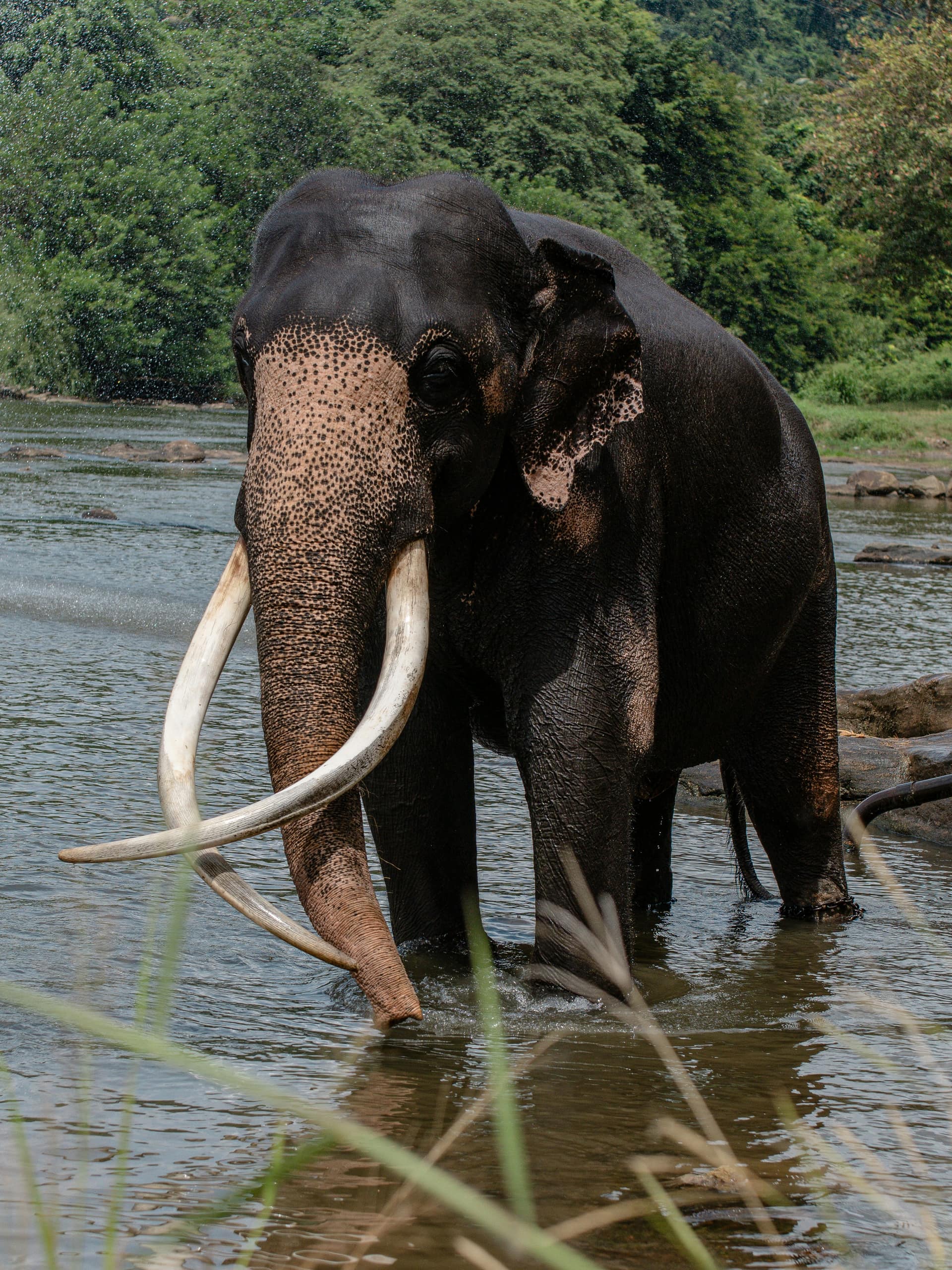
Elephants are Lunugamvehera's main attraction, often seen along the reservoir's edges and on the grasslands. Water birds crowd the shallows: painted storks, pelicans, herons, cormorants and waders. Mugger crocodiles are common.
Leopards and sloth bears live in Lunugamvehera, but they are rarely seen, as the park has fewer open rock outcrops and far fewer jeeps to find them. Spotted deer, wild boar and buffalo are present.
- →Elephants: the main attraction, often near the water.
- →Water birds: storks, pelicans, herons, cormorants.
- →Crocodiles: common in the reservoir.
- →Leopards and sloth bears: present but rarely seen.
Getting to Lunugamvehera
Lunugamvehera is roughly 45 minutes to an hour from Tissamaharama by road, and it can also be reached on the way to or from Wellawaya and the hill country. Jeeps can be arranged through hotels in Tissamaharama.
Confirm the current entrance and opening arrangements locally before you go, as the park receives few visitors and details can change.
- →From Tissamaharama: roughly 45 minutes to an hour.
- →On the way to or from Wellawaya and Ella.
- →Jeeps: book through Tissamaharama hotels.
Lunugamvehera or Yala?
Choose Yala if a leopard is your priority: its Block I gives far better odds. Choose Lunugamvehera if you want a quiet drive, good elephants and birds, or a break from the jeep queues. Many travellers do both: Yala for the leopard, Lunugamvehera for the calm.
Lunugamvehera is especially useful when Yala's Block I is closed, usually from about September to mid-October, or on poya days and holidays when Yala is crowded.
- →Choose Yala for leopards.
- →Choose Lunugamvehera for quiet, elephants and birds.
- →Choose Lunugamvehera when Yala is closed or crowded.
Fitting Lunugamvehera into a trip
Lunugamvehera fits a three-night Yala stay as a quiet half-day, or as a stop on the drive between Yala and the hill country. It pairs well with an afternoon in Kataragama.
Lankan Stays & Trails suggests Lunugamvehera to repeat visitors and to anyone who found Yala's Block I too busy. It shows what a dry-zone park feels like without the crowds.
- →Three-night Yala stay: a quiet half-day on day two or three.
- →Ella to Yala: a stop on the drive south via Wellawaya.
- →Closure weeks: an alternative when Block I is shut.
Why Lunugamvehera matters for elephants
Lunugamvehera National Park protects part of an elephant corridor that links Yala in the south with Udawalawe to the north-west. Elephants move along it with the seasons and the water, and without it the populations of the two parks would be more isolated.
That role makes Lunugamvehera important far beyond its visitor numbers. A drive here supports a park that does quiet, essential work for Sri Lanka's elephants.
Frequently asked questions
Is Lunugamvehera worth visiting?
Yes, for a quiet safari with elephants, water birds and crocodiles and very few other jeeps. It is not the place for leopards, which are rarely seen. It suits repeat visitors, birdwatchers and anyone who found Yala too crowded.
Can you see leopards in Lunugamvehera?
Leopards live in Lunugamvehera, but they are rarely seen, because the park has fewer open rock outcrops and far fewer jeeps searching for them. For leopards, Yala's Block I gives much better odds; for a calm drive with elephants and birds, Lunugamvehera is the better choice.
How far is Lunugamvehera from Yala?
Lunugamvehera lies just north of Yala, roughly 45 minutes to an hour by road from Tissamaharama, the usual Yala base. It can also be reached on the way to or from Wellawaya and the hill country.
Is Lunugamvehera open when Yala is closed?
Lunugamvehera is a separate park and is often open when Yala's Block I closes, usually from about September to mid-October. Confirm current arrangements locally, as the park receives few visitors and details can change. Bundala and Udawalawe are other options during the closure.
What animals live in Lunugamvehera National Park?
Lunugamvehera has elephants, water birds such as painted storks and pelicans, mugger crocodiles, spotted deer, wild boar and buffalo. Leopards and sloth bears are present but rarely seen. The reservoir is the centre of the park's life.
Is Lunugamvehera less crowded than Yala?
Much less. Lunugamvehera receives a small fraction of Yala's visitors, and you may see few or no other jeeps on a drive, even in the busy months and on poya days. That quiet, and the chance to watch elephants without an audience, is its main appeal.