
Quick answer
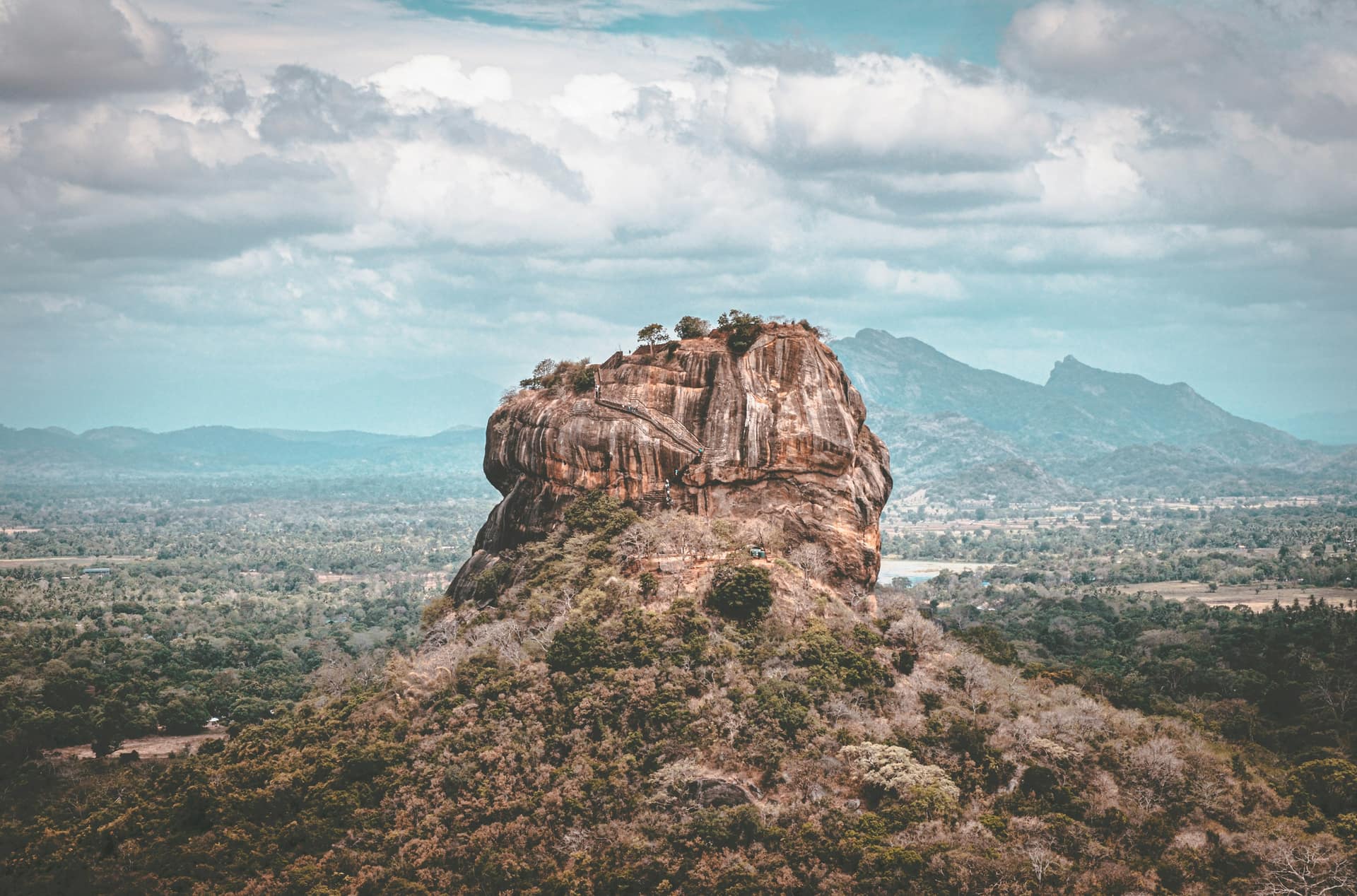
Mapagala is a rocky outcrop just south of Sigiriya, ringed by walls of massive unmortared stone blocks, sometimes described as cyclopean. Many archaeologists think the walls predate King Kashyapa's citadel, though dating is debated. The site is rarely staffed and access is informal, so visit with a local guide, ideally in the early morning or late afternoon. Allow about an hour and wear shoes for rough ground.
Key takeaways
- Mapagala lies just south of Sigiriya rock, close to the main site.
- Its walls are built from huge stone blocks fitted without mortar around natural boulders.
- Many think the walls predate Kashyapa, but their date and purpose are debated.
- Access is informal and the site is rarely staffed, so a local guide is advisable.
- Allow about an hour, in the cool of the morning or late afternoon.
What Mapagala is
Mapagala is a low, rocky outcrop just south of Sigiriya rock, among forest and scrub. Around and between its boulders run walls built of massive stone blocks, some several tonnes, shaped roughly and fitted together without mortar. The style is sometimes compared to cyclopean masonry elsewhere in the world.
Steps, terraces and the remains of gateways can be traced among the walls. The overall plan suggests a fortified enclosure using the natural rock, though much is overgrown.
Few visitors come, so the atmosphere is very different from Sigiriya's busy paths.
The scale of the blocks is what impresses most. Some are taller than a person and shaped only roughly, yet they sit tightly against each other and against the natural rock, with no mortar holding them in place. How they were moved and set remains a question visitors often ask.
- →Location: just south of Sigiriya rock.
- →Walls: massive unmortared stone blocks.
- →Features: terraces, steps, gateway remains.
- →Atmosphere: quiet and overgrown.
The question of age
The question of Mapagala's age is unresolved. Many archaeologists consider the walls older than Kashyapa's citadel on Sigiriya, built in the late 5th century CE, because their style differs from the brick and fine stonework of the palace. Some suggest the site was an earlier fortification or settlement.
Others link it with Kashyapa's time, perhaps as an outpost, quarry or defensive work related to the main citadel. Without firm dating evidence, treat claims of a specific age cautiously. A guide may tell you local traditions as well as archaeological views.
What you see
What you see at Mapagala is mostly stone and setting. The great walls are the highlight, especially where blocks are fitted tightly around boulders. You can trace lines of wall, climb a little among the rocks and look north to Sigiriya rock, which appears unexpectedly close.
The ground is rough and uneven, with loose stones, roots and scrub. There are no signboards or facilities in most areas, and paths may be faint.
- →The great stone walls.
- →Views north to Sigiriya rock.
- →Rough, uneven ground.
- →No facilities in most areas.
How to visit
How to visit Mapagala is best answered locally. Access is informal and the site is rarely staffed, and arrangements may change. Ask your host or a Sigiriya guide whether visits are possible and who can take you. Some guides include it on village or cycling tours.
Go in the early morning or late afternoon, when the light is softer and the heat bearable. Wear shoes with grip, long trousers for scrub, and carry water. Leave before dark, as elephants move through the area at night.
A visit fits well before or after the Sigiriya water gardens, as the two are close. Some travellers walk or cycle there from the village in the late afternoon with a guide, then watch the light change on Sigiriya rock from the southern side.
- →Ask locally about access.
- →Go with a guide.
- →Early morning or late afternoon.
- →Shoes with grip, water, leave before dark.
Respecting the site
Respecting the site matters because Mapagala is an archaeological monument. Do not climb on the walls, move stones or remove anything. Stay on paths where they exist, and avoid damaging vegetation that protects the walls.
Snakes live in the scrub and rocks, as everywhere in the dry zone. Watch where you put your hands and feet, and do not reach into crevices.
Who it suits
Mapagala suits travellers who have seen Sigiriya and want something quieter, history enthusiasts curious about the area before Kashyapa, and walkers who enjoy exploring rough ground. It suits less well anyone expecting a presented site with signs and facilities.
At Lankan Stays & Trails, we include Mapagala with an archaeology-minded local guide for guests who want to see the wider landscape around Sigiriya.
- →Suits: history enthusiasts.
- →Suits: walkers seeking quiet.
- →Less suited: those wanting facilities and signs.
Frequently asked questions
What is Mapagala?
Mapagala is a rocky outcrop just south of Sigiriya, ringed by walls of massive unmortared stone blocks fitted around natural boulders. It appears to have been a fortified site, possibly older than Kashyapa's citadel, though its date and purpose are debated.
Is Mapagala older than Sigiriya?
Many archaeologists think its walls predate Kashyapa's citadel of the late 5th century CE, because the style differs from the palace's brick and fine stonework. Others link it to Kashyapa's period. Without firm dating, the question remains open.
Can I visit Mapagala?
Visits are possible but access is informal and the site is rarely staffed. Ask your host or a Sigiriya guide whether visits are currently possible and go with someone who knows the area. Arrangements may change.
How long does a visit to Mapagala take?
About an hour, including walking among the walls and taking in the view of Sigiriya rock. Combine it with a village walk or cycle ride for a half-day outing. Go early or late in the day to avoid the heat.
Is there an entrance fee for Mapagala?
Arrangements vary and are not clearly published. Ask your host or guide whether any fee applies, and confirm locally before you go. Do not rely on prices or opening times you find online.
Is Mapagala safe to visit?
Yes, with care. The ground is rough and uneven, with loose stones and scrub, and snakes live in the area. Wear shoes with grip, watch where you put your hands and leave before dark, as elephants move through the area at night.
Can I see Sigiriya from Mapagala?
Yes. Sigiriya rock appears to the north, close and impressive, giving an unusual view of it from the south. The view is one of the rewards of a visit, especially in the softer light of late afternoon.