
Quick answer
The Hill Country Tamils, also called Malaiyaha Tamils, are descended from South Indian workers brought to Sri Lanka's tea and coffee estates from the nineteenth century. They brought Hindu worship with them and built kovils across the hills, including the shrine at Seetha Eliya. Their families still supply priests, devotees and festival organisers at the Seetha Amman Temple. Visitors can learn about their culture through estate tours, local temples and festivals such as Thai Pongal.
Key takeaways
- Hill Country Tamils descend from South Indian estate workers brought in the nineteenth century.
- They built kovils across the hills, including the shrine at Seetha Eliya.
- Local families still sustain worship and festivals at the Seetha Amman Temple.
- Their Hinduism blends Tamil village traditions with temple worship.
- Estate visits and local festivals offer respectful ways to learn about their culture.
Who the Hill Country Tamils are
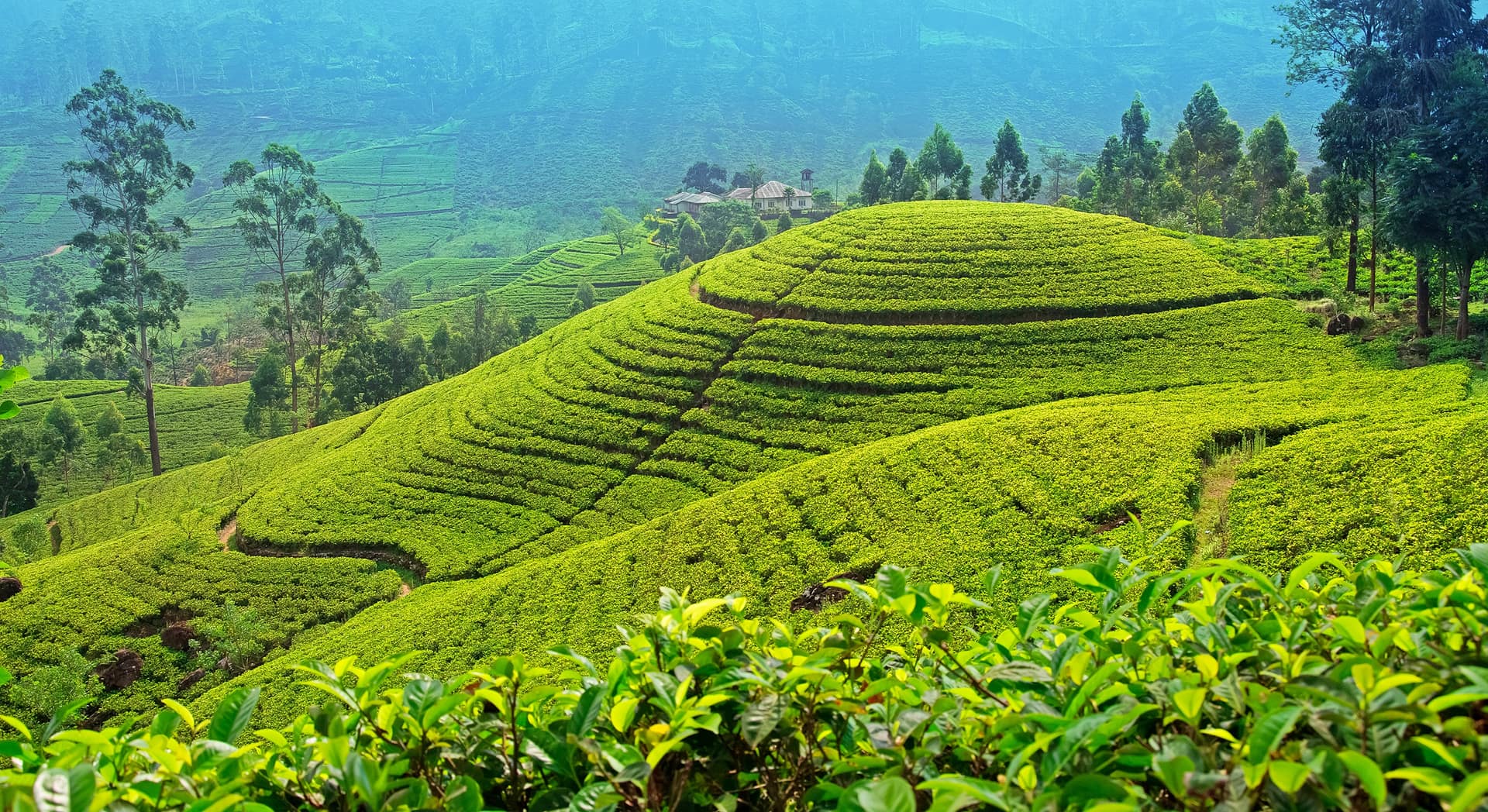
The Hill Country Tamils are a distinct community from the Tamils of Jaffna and the east. Their ancestors came from what is now Tamil Nadu in the nineteenth and early twentieth centuries, recruited to clear forest and work on British coffee and then tea estates in the central highlands.
Life on the estates was hard, with long hours, low wages and crowded line houses. After independence many families faced decades without citizenship, an injustice only fully resolved in the early twenty-first century. Today the community is a vital part of the hill country, in tea, trade, politics and culture.
Many still live on or near estates around Nuwara Eliya, Hatton and Badulla. You will meet their children walking to school, their women plucking tea on the slopes and their priests at temples like Seetha Amman.
- →Origins: South Indian workers recruited for the estates.
- →History: hardship, then a long fight for citizenship.
- →Today: a central community of the hill country.
Bringing faith to the hills
Workers carried their gods with them: village goddesses such as Mariamman, guardian deities like Muniandi, and the great figures of Shiva, Murugan, Ganesha, Rama and Sita. Almost every estate built a small kovil, often near the line houses, where families gathered for worship and festivals.
The Ramayana was especially loved in these communities. Recognising places in the hills from the epic, such as the stream at Seetha Eliya, gave families a sense that their new home was already sacred ground, linked to stories they had brought from India.
That sense of belonging helps explain why a small shrine on an estate road grew into one of the most visited temples in the hills.
How the community shaped the temple
For much of its history, the Seetha Amman Temple was a local shrine, sustained by the offerings and labour of estate and village families. They kept the lamps lit, organised festivals and passed the stories of Sita and Hanuman down to their children.
Even now, when Indian pilgrims bring large donations, local families provide much of the temple's daily life. Priests, flower sellers, stall holders and festival committees often come from the surrounding community.
On ordinary weekdays, especially early or late, you are likely to see local devotees praying quietly alongside visitors. Festival days draw crowds from estates across the area, with music, processions and shared food.
- →Priests and helpers from local families.
- →Festival committees drawn from nearby estates.
- →Daily worship by local devotees alongside pilgrims.
What Hill Country Tamil worship looks like
Hill Country Tamil Hinduism blends temple worship with older village traditions. Alongside formal pujas, you may see vows fulfilled with offerings of pongal rice, lamps lit for goddesses, fire-walking at some festivals and devotional songs in Tamil.
Festivals such as Thai Pongal, Deepavali and local temple feasts are major events. Mariamman festivals, with processions and the carrying of sacred pots, are especially important on many estates.
Visitors who want to understand this living tradition should look beyond the famous temples. Small estate kovils, often brightly painted and full of life, show the faith that sustained shrines like Seetha Amman.
- →Pongal rice offerings for vows.
- →Goddess worship, especially of Mariamman.
- →Tamil devotional songs and local festivals.
How visitors can learn more
Tea estate tours around Nuwara Eliya often include a visit to the plucking fields and factory, and some include line houses or estate temples. Choose tours that pay workers fairly and ask permission before photographing people or homes.
Festival days offer the warmest welcome. Thai Pongal in January is celebrated across the estates, and our page on Thai Pongal on the tea estates explains what to expect. Respectful visitors are often invited to share sweet pongal.
Lankan Stays & Trails guides can arrange a visit to a small estate kovil after Seetha Amman, with a local host who can explain the community's traditions in person.
Visiting with respect
Estate communities are workplaces and homes, not attractions. Ask before photographing people, especially children, and avoid treating line houses as a curiosity. Simple courtesies matter more here than anywhere.
Buying flowers, offerings and snacks from local stalls at the temple supports families directly. So does hiring local guides and drivers who know the area.
Above all, remember that the Seetha Amman Temple's tradition belongs to these families as much as to visiting pilgrims. Listening to their stories adds depth to every visit.
- →Ask before photographing people and homes.
- →Buy offerings from local stalls.
- →Hire local guides where possible.
Frequently asked questions
Who are the Hill Country Tamils?
They are descendants of South Indian workers brought to Sri Lanka's coffee and tea estates from the nineteenth century, also called Malaiyaha or Up-Country Tamils. They are distinct from the Tamils of the north and east and form a major community in the central hills.
Did estate workers build the Seetha Amman Temple?
The shrine grew within the estate-era community, which kept worship alive at Seetha Eliya for generations. No single founder is recorded. Later renovations were funded by devotees, including many from India, but local families still sustain daily worship.
Can I visit an estate temple?
Yes, with a local guide or host. Small estate kovils welcome respectful visitors, especially on festival days. Remove shoes, dress modestly, ask before photographing people and leave a small donation if you wish.
What festivals do Hill Country Tamils celebrate?
Major festivals include Thai Pongal in January, Deepavali, Navaratri, Mariamman temple festivals and local kovil feasts. Some festivals include processions, fire-walking or the carrying of sacred pots. Dates move each year with the Tamil calendar.
Do local devotees still worship at the Seetha Amman Temple?
Yes. Local families worship there daily, and festival days draw crowds from estates across the area. Many priests, helpers and stall holders also come from the community. Early mornings are a good time to see local worship.
How can visitors support the community?
Buy offerings and snacks from local stalls, hire local guides and drivers, choose estate tours that treat workers fairly and leave donations at temples you visit. Respectful behaviour around homes and workplaces matters just as much as money.
Is it appropriate to photograph tea pluckers?
Ask first, every time. Some workers are happy to be photographed; others are not, and many are busy. Avoid photographing children without a parent's permission, and never treat line houses or workers as a backdrop.