
Quick answer
Thai Pongal falls on 14 or 15 January and is celebrated in the hill country's Tamil tea estate communities with boiled milk rice cooked until it overflows, kolam patterns at doorways, new clothes and pujas at estate kovils. Visitors staying near Nuwara Eliya, Hatton, Haputale or Ella may see celebrations or be invited to join. Dress modestly, remove shoes and follow your hosts' lead.
Key takeaways
- Thai Pongal falls on 14 or 15 January.
- Tea estate Tamil communities celebrate it warmly.
- Rice boiled until it overflows symbolises abundance.
- Kolam patterns decorate doorways.
- Visitors should dress modestly and follow their hosts.
The estate communities
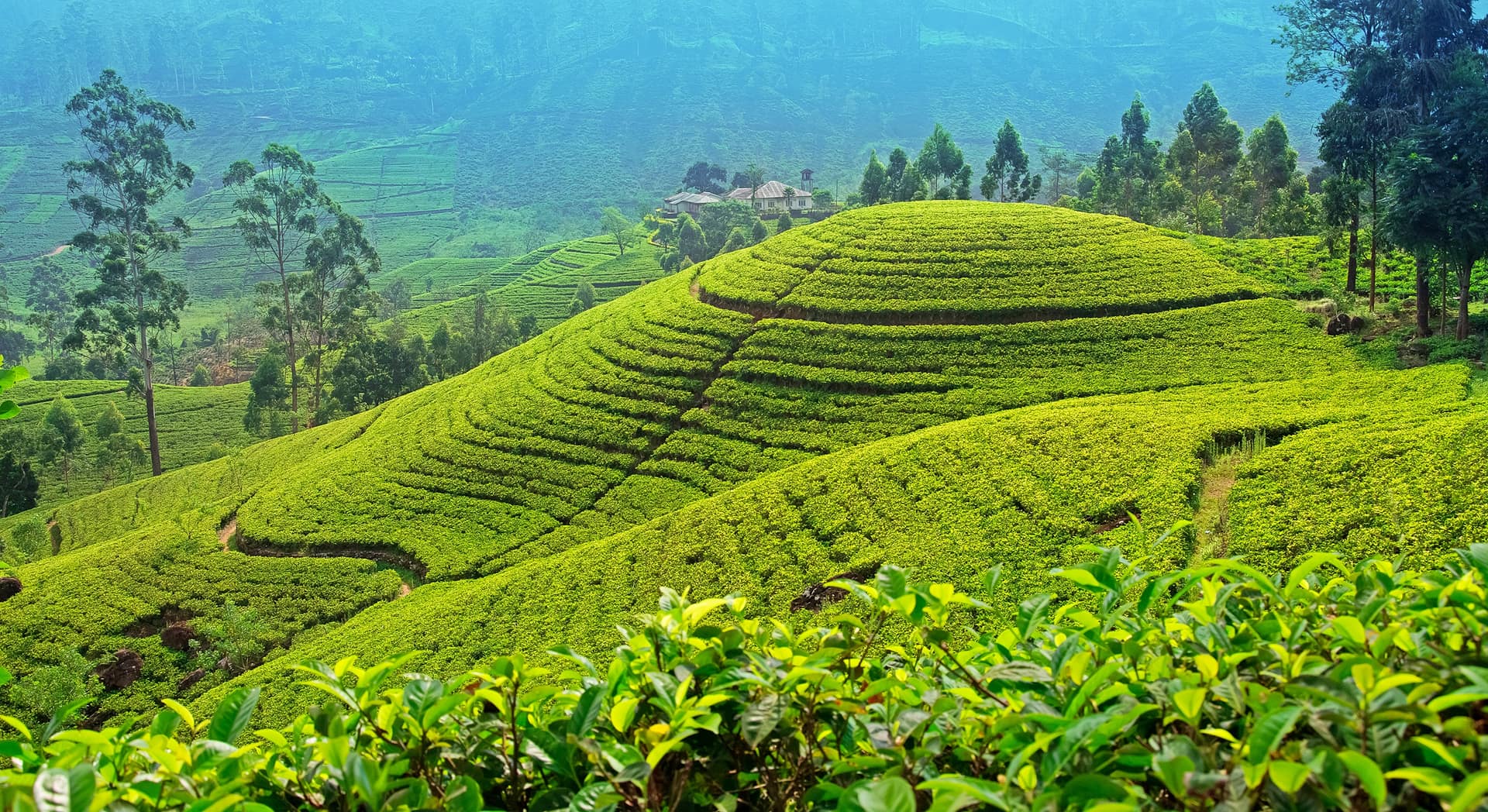
The hill-country Tamil community traces its roots to workers brought from South India by the British in the nineteenth century to clear forests and plant coffee and later tea. Their descendants still live and work on many estates, in line rooms and villages among the tea.
The community has preserved its Tamil language, Hindu faith and festivals, and Thai Pongal is one of the most important. It is a time of gratitude, renewal and family gatherings.
Visiting the estates around Pongal gives a deeper understanding of the people behind Sri Lanka's famous tea.
- →Roots in nineteenth-century South India.
- →Tamil language and Hindu faith.
- →Pongal as gratitude and renewal.
The rituals of Pongal
The heart of Pongal is the boiling of rice with milk and jaggery in a new clay or metal pot, outdoors and facing the rising sun. When the milk boils over, family members shout "Pongalo Pongal", celebrating abundance.
The sweet rice is offered to the sun, then shared among family and neighbours. Sugar cane, bananas and other fruits are part of the offering.
Doorways are decorated with kolam, intricate patterns drawn in rice flour, and families wear new clothes. Many visit the estate kovil for a special puja.
In the days before Pongal, homes are cleaned and old items are discarded, a tradition that echoes the idea of renewal. On the day after Pongal, many families honour their cattle with Mattu Pongal, decorating cows with garlands and painted horns as thanks for their help with the harvest.
- →Rice boiled to overflowing.
- →Offerings to the sun.
- →Kolam, new clothes and kovil pujas.
Where to see it
Pongal is celebrated across the hill country, including around Nuwara Eliya, Hatton, Talawakele, Bandarawela, Haputale and Ella. Estate kovils hold pujas, and villages are decorated with banana leaves and mango leaves.
Towns with large Tamil populations, such as Hatton and Nuwara Eliya, have busy markets in the days before Pongal, selling pots, sugar cane and new clothes.
Lankan Stays & Trails can sometimes arrange a respectful visit through estate managers or local guides who have personal connections with families.
Visitor etiquette
Pongal is a family and religious festival, not a show. If invited into a home or kovil, dress modestly, covering shoulders and knees, and remove shoes at the threshold.
Accept sweet pongal and other food with the right hand, and try a little even if you are not hungry, as refusing can seem rude. A small gift such as fruit or sweets is appreciated.
Ask before taking photographs, especially of rituals and people in the home. Many families are happy to share the moment if asked politely.
- →Modest dress and shoes off.
- →Accept food with the right hand.
- →Ask before photographing.
Pongal elsewhere in Sri Lanka
Pongal is also celebrated widely in Jaffna, Trincomalee, Batticaloa and Colombo's Tamil neighbourhoods. Jaffna's Nallur Kandaswamy Kovil holds special ceremonies.
In January, the north and east are wet, which can affect travel there, so the hill country is often the more practical place for visitors to experience Pongal.
Thai Pongal is a public holiday across Sri Lanka, so banks and government offices close, though most shops remain open outside Tamil areas.
- →Jaffna and the east.
- →Colombo's Tamil areas.
- →A national public holiday.
Combining Pongal with a hill trip
Mid-January is a beautiful time in the hill country, with clear mornings and cool nights. A stay around Pongal can include tea factory visits, walks and Horton Plains.
Book accommodation early, since the hill country is busy in January. Estate bungalows and guesthouses run by local families offer the best chance of a personal connection.
Pair the festival with a visit to a tea factory to understand the work of the estate communities who celebrate it.
- →Clear mornings for walks.
- →Book estate stays early.
- →Visit a tea factory.
Frequently asked questions
When is Thai Pongal?
Thai Pongal falls on 14 or 15 January, depending on the Tamil solar calendar. It is a public holiday in Sri Lanka and is celebrated by Tamil Hindus across the island, including the tea estate communities of the hill country.
Where can I see Thai Pongal in Sri Lanka?
In the hill country around Nuwara Eliya, Hatton, Haputale and Ella, as well as in Jaffna, the east and Colombo's Tamil neighbourhoods. In January, the hill country is the most practical choice, since the north and east are wet.
Can tourists join Pongal celebrations?
Sometimes. Pongal is a family festival, so it is not a public event. Visitors may be invited into homes or welcomed at estate kovils, especially through local guides or estate managers. Dress modestly, remove shoes and follow your hosts' lead.
What is pongal food?
Pongal is rice boiled with milk and jaggery, often with cashews, raisins and cardamom, in a new pot until it overflows. Sweet pongal is offered to the sun, then shared with family and neighbours. Savoury versions are also made in some homes.
What does the overflowing pot mean?
The milk boiling over the pot symbolises abundance and prosperity for the coming year. Families shout "Pongalo Pongal" when it overflows. The direction of the overflow is sometimes read as a sign for the year ahead.
Is Thai Pongal a public holiday in Sri Lanka?
Yes. Banks, government offices and schools close. Most shops remain open outside Tamil areas, and tourist sites are unaffected. Trains and buses run, though some routes in the hill country may be busier with families travelling.
What is Mattu Pongal?
Mattu Pongal is celebrated the day after Thai Pongal to honour cattle for their role in farming. Cows and bulls are washed, their horns painted and garlands placed around their necks. On the tea estates, where fewer families keep cattle, it is a smaller celebration than in farming areas.