
Quick answer
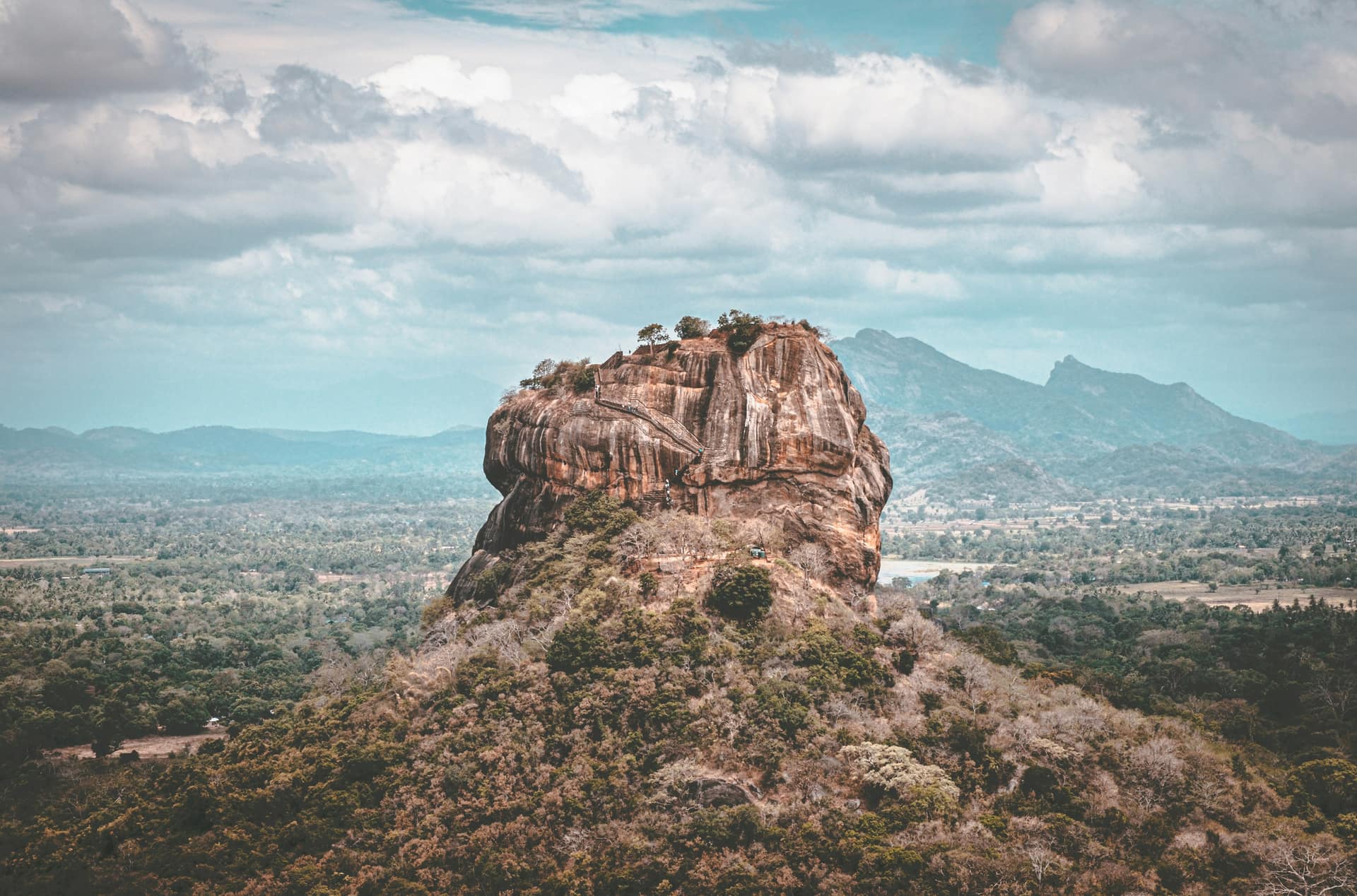
After King Kashyapa died in 495 CE, his half-brother Moggallana moved the capital back to Anuradhapura and gave Sigiriya to the Buddhist monks. The rock served as a monastery for roughly eight centuries, until around the 13th or 14th century. During that time pilgrims and travellers climbed to see the frescoes and wrote more than 1,800 verses on the mirror wall, mostly between roughly the 8th and 10th centuries.
Key takeaways
- Sigiriya returned to the Buddhist sangha after King Kashyapa's death in 495 CE.
- The monastic period lasted roughly eight centuries, far longer than Kashyapa's eighteen-year reign.
- Most of the more than 1,800 mirror-wall graffiti date from roughly the 8th to 10th centuries, during the monastic era.
- Sigiriya was largely abandoned by roughly the 13th or 14th century, as the kingdom's centre moved south-west.
- In the Kandyan period the rock was used occasionally as a military outpost before the forest took it back.
The monks return to Sigiriya
When Moggallana defeated King Kashyapa in 495 CE, he moved the capital back to Anuradhapura and handed Sigiriya to the Buddhist sangha. For the monks this was a return rather than a gift: their predecessors had lived in the boulder caves for centuries before Kashyapa arrived.
The summit palace was not maintained, but the lower parts of the site were adapted for monastic life. Structures in the boulder and terrace gardens were reused, and Pidurangala, the neighbouring rock, continued as a monastery alongside it.
- →495 CE: Kashyapa dies and the capital moves back to Anuradhapura.
- →The rock is given to the Buddhist sangha.
- →The summit palace is left to decay.
- →Monastic life continues in the boulder and terrace gardens.
Sigiriya as a place to visit, a thousand years ago
Sigiriya became one of the earliest tourist sites in South Asia during its monastic centuries. Visitors climbed to see the painted women on the rock face and the ruined palace above, and many of them wrote down their reactions on the polished mirror wall below the frescoes.
More than 1,800 of these graffiti have been recorded, and most date from roughly the 8th to 10th centuries. They are written by monks, soldiers, officials and ordinary travellers, and they are mostly about the painted women. Some are admiring, some are wistful, and a few are rude about other people's verses.
Why Sigiriya was abandoned
Sigiriya declined as the whole northern dry-zone civilisation declined. Anuradhapura fell at the start of the 11th century, the capital moved to Polonnaruwa, and after the 13th century the political centre of the island shifted south-west towards the wet zone. The great irrigation networks that fed the Cultural Triangle fell into disrepair.
By roughly the 13th or 14th century the monastery at Sigiriya had largely been abandoned. The water gardens silted up, the moats became swamp, and the forest closed over the lower site. The rock itself, too large to lose, stayed on the skyline.
- →Early 11th century: Anuradhapura falls and the capital moves to Polonnaruwa.
- →13th century onwards: the political centre shifts south-west.
- →Irrigation tanks and channels across the dry zone decline.
- →By roughly the 13th or 14th century, Sigiriya's monastery is largely abandoned.
The Kandyan footnote
In the 16th to 18th centuries, during the Kandyan period, Sigiriya appears occasionally as a military outpost on the northern edge of the Kandyan kingdom. The rock's height made it a natural lookout, but there is no sign of rebuilding on any scale.
By the time Major Jonathan Forbes, a British army officer, rode past in 1831 and recognised the summit as a ruin, the site was jungle. Its modern history starts with him.
Seeing the monastic Sigiriya today
The monastic centuries are easiest to see in three places at Sigiriya. The mirror wall, with its graffiti, is the monastic period's great record. The boulder gardens, with their reused caves and platforms, are its living quarters. The Sigiriya Museum near the ticket office displays translations of several verses and finds from the later phases.
Set aside time in the museum before you climb, and ask your guide to read one or two mirror-wall verses aloud in translation. Lankan Stays & Trails builds a guide into most Sigiriya mornings for this reason: the site is much quieter than its story, and someone needs to tell it.
- →The mirror wall: graffiti from the monastic era.
- →The boulder gardens: reused caves and monastic platforms.
- →The Sigiriya Museum: translated verses and later-period finds.
- →Pidurangala: a monastery that has stayed in use.
Frequently asked questions
What happened to Sigiriya after Kashyapa died?
Moggallana, Kashyapa's half-brother, moved the capital back to Anuradhapura and gave Sigiriya to the Buddhist monks. The rock became a monastery again and stayed one for roughly eight centuries, while the summit palace was left to decay.
Why was Sigiriya abandoned?
Sigiriya declined with the northern dry-zone kingdoms. After Anuradhapura and later Polonnaruwa lost their place as capitals, the political centre moved south-west and the irrigation systems decayed. By roughly the 13th or 14th century the Sigiriya monastery had largely been abandoned.
How long was Sigiriya a monastery?
Sigiriya was a monastery for two long periods: from roughly the 3rd century BCE until Kashyapa's reign, and again for roughly eight centuries after 495 CE, until around the 13th or 14th century. Kashyapa's royal use lasted only about eighteen years.
Who wrote the graffiti on Sigiriya's mirror wall?
Visitors to the rock during its monastic period, mostly between roughly the 8th and 10th centuries. The writers included monks, soldiers, officials and ordinary travellers, and most of their verses respond to the painted women in the fresco gallery above.
Was Sigiriya used by the Kandyan kings?
Only lightly. During the Kandyan period, roughly the 16th to 18th centuries, Sigiriya appears occasionally as a military outpost on the kingdom's northern edge. There is no evidence of major building, and by 1831 the site was overgrown jungle.
Is Sigiriya still a religious site?
Sigiriya itself is now an archaeological site managed for visitors rather than an active monastery. Pidurangala, the neighbouring rock, has an active temple at its base, so modest dress and removing shoes where signed are expected there.