
Quick answer
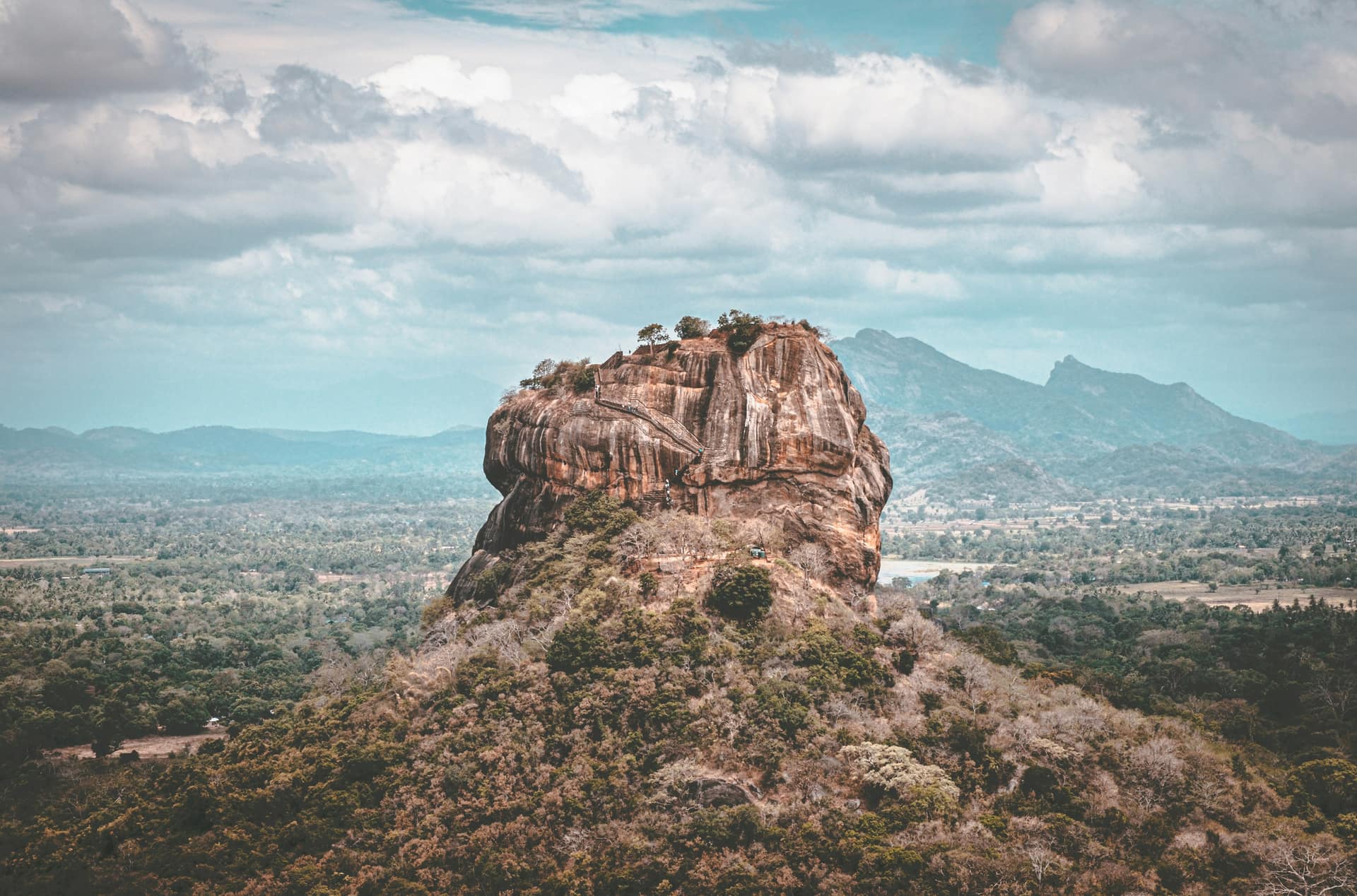
Sigiriya's upper rock face, around the lion's paw terrace, is home to colonies of wasps and hornets that can swarm when disturbed by noise, smoke, strong scents or wind. Attacks are uncommon, but the site has wire-mesh shelters on the route and sometimes closes the upper stairway on bad days. Keep quiet on the upper stairs, avoid strong perfume, and if a swarm starts, move into a shelter and follow staff immediately.
Key takeaways
- Wasp and hornet colonies live on Sigiriya's upper rock face, near the lion's paw terrace and final stairway.
- Attacks are uncommon but can be triggered by noise, smoke, strong scents or nests disturbed by wind.
- Wire-mesh shelters on the route give visitors protection if a swarm begins.
- Site staff sometimes close the upper stairway temporarily when the colonies are active.
- Anyone with a known sting allergy should carry prescribed emergency medication and tell their guide.
Why there are wasps and hornets at Sigiriya
Sigiriya's sheer upper rock face, sheltered from rain and predators, is ideal nesting ground for large colonies of wasps and hornets. The nests hang from overhangs above the lion's paw terrace and along the upper western face, and they have been there for as long as records exist.
The colonies are usually indifferent to visitors. Problems occur when a nest is disturbed, and a large swarm on a narrow stairway can cause injuries and panic. That is why the site takes the risk seriously.
What sets them off
Wasp and hornet attacks at Sigiriya are usually triggered by disturbance. Loud noise, shouting and whistling near the upper face are commonly blamed, as are smoke, strong perfume and strongly scented sprays. Strong wind can also dislodge or agitate nests, which is why incidents tend to cluster in windy spells.
Drones are banned at Sigiriya partly for this reason: a drone flown close to the rock face is one of the fastest ways to provoke a colony.
- →Loud noise, shouting or whistling on the upper stairs.
- →Smoke, including cigarettes.
- →Strong perfume, aftershave or scented sprays.
- →Strong wind agitating or dislodging nests.
- →Drones flown near the rock face.
Wire-mesh shelters and closures
The wire-mesh shelters on the Sigiriya route, including at the lion's paw terrace, are designed for visitors to step inside during a swarm. The mesh is fine enough to keep insects out while they settle.
When the colonies are active, site staff may close the upper stairway temporarily, or stop visitors at the lion's paw terrace until conditions calm. On rare days the upper section stays shut. It is frustrating, but it is the right call, and it is one reason to allow two nights near Sigiriya rather than one.
- →Shelters sit on the route, including at the lion's paw terrace.
- →Staff may pause access to the summit when colonies are active.
- →Closures are usually temporary, but occasionally last the day.
- →Two nights nearby gives a second chance if the summit is shut.
What to do if wasps swarm at Sigiriya
If a swarm starts at Sigiriya, act quickly and calmly. Do not swat, run on the stairs or shout, which makes things worse and risks falls. Cover your face and head, move to the nearest shelter or follow staff directions, and stay inside until staff say it is safe.
If you are stung several times, seek help from staff, who can arrange first aid. Anyone showing signs of a severe allergic reaction, such as difficulty breathing or swelling of the face or throat, needs urgent medical attention.
- →Stay calm; do not swat or run on the stairs.
- →Cover your face and head.
- →Move to the nearest wire-mesh shelter or follow staff.
- →Stay sheltered until staff give the all-clear.
- →Seek urgent help for any signs of severe allergic reaction.
If you have a sting allergy
Anyone with a known allergy to wasp or bee stings should take medical advice before climbing Sigiriya, carry any prescribed emergency medication, and tell their guide and companions how to use it. The nearest hospital facilities are in Dambulla, roughly 30 to 40 minutes away.
For people with a serious allergy, a visit limited to the water gardens, boulder gardens and museum, away from the upper face, is a reasonable choice.
Keeping the risk in perspective
Most visitors to Sigiriya never see a wasp swarm, and serious incidents are rare. The risk is real enough to justify the shelters and the rules, but it is not a reason to skip the climb.
Lankan Stays & Trails guides check conditions with site staff on arrival and brief groups on the shelters before the lion's paw terrace. Keeping quiet and scent-free on the upper stairs is the single most useful thing a visitor can do.
Frequently asked questions
Are there wasps at Sigiriya?
Yes. Colonies of wasps and hornets nest on the upper rock face of Sigiriya, around the lion's paw terrace and final stairway. They usually ignore visitors, but they can swarm if disturbed by noise, smoke, strong scents or wind.
How common are wasp attacks at Sigiriya?
Uncommon. Most visitors never see a swarm. Incidents happen occasionally, often in windy spells, and the site manages the risk with shelters, staff monitoring and temporary closures of the upper stairway when colonies are active.
What are the cages at Sigiriya for?
The wire-mesh structures on the Sigiriya route, including at the lion's paw terrace, are shelters for visitors to step into during a wasp or hornet swarm. The fine mesh keeps insects out while the colony settles.
Does Sigiriya close because of hornets?
Sometimes. When the colonies are active, staff may pause access to the summit or stop visitors at the lion's paw terrace. Closures are usually temporary, but occasionally the upper section stays shut for the day.
How do I avoid wasps at Sigiriya?
Keep quiet on the upper stairs, avoid strong perfume and scented sprays, do not smoke, and never fly a drone near the rock. Follow staff instructions immediately, and know where the wire-mesh shelters are before you reach the lion's paw terrace.
Should I climb Sigiriya if I am allergic to stings?
Take medical advice first. If you do climb, carry prescribed emergency medication and make sure your guide and companions know how to use it. Visiting only the gardens and museum, away from the upper face, is a sensible alternative.
What should I do if wasps attack at Sigiriya?
Stay calm, do not swat or run on the stairs, cover your face and head, and move into the nearest wire-mesh shelter or follow staff directions. Stay sheltered until the all-clear, and seek urgent medical help for any severe reaction.