
Quick answer
The southern Ramayana sites lie along Sri Lanka's south coast. Ussangoda, near Nonagama east of Tangalle, is a red-soil plateau linked to Hanuman's burning of Lanka or Ravana's flying chariot. Rumassala, near Unawatuna and Galle, is said to be a fragment of the Himalaya dropped by Hanuman. Kataragama, inland, is a great multi-faith pilgrimage town. A two to three day route from Ella links them with beach stays.
Key takeaways
- Ussangoda's red plateau is linked to Hanuman's burning of Lanka.
- Rumassala hill is said to be a fragment of the Himalaya dropped by Hanuman.
- Kataragama, about 2.5 hours from Ella, is a major multi-faith pilgrimage town.
- A two to three day route links the sites with beach stays.
- The south coast is driest roughly December to April.
Ussangoda's red plateau
Ussangoda National Park lies on the south coast near Nonagama, roughly 20 to 25 kilometres east of Tangalle. A plateau of red soil with sparse, stunted vegetation stretches above the sea. Local legend links it to Hanuman setting Lanka ablaze with his burning tail, or to the landing of Ravana's flying chariot.
Geologists explain the sparse vegetation by the area's serpentinite soil, rich in minerals that limit plant growth. Both explanations are worth knowing, and guides often share them together.
A visit on foot takes one to two hours. Late afternoon is best, with cooler air and soft light over the red earth and sea. An entrance fee applies. The beaches below are turtle nesting sites.
- →Near Nonagama, east of Tangalle.
- →Linked to Hanuman's burning of Lanka.
- →Late afternoon visit; entrance fee applies.
Kataragama's sacred city
Kataragama, about 2.5 hours from Ella and an hour from the coast, is one of Sri Lanka's great pilgrimage towns, sacred to Hindus, Buddhists, Muslims and the Vedda people. The main shrine is dedicated to Kataragama deviyo, identified by Hindus with Murugan.
The evening puja is the highlight, with drums, lamps and devotees carrying offerings across the Menik Ganga river. The July and August festival draws vast crowds, with fire-walking and kavadi. Kataragama is not part of the Ramayana story itself but is a natural stop for Hindu pilgrims in the south.
Stay in Kataragama or nearby Tissamaharama, which also suits a safari at Yala National Park.
Rumassala and the Sanjeevani legend
Rumassala is the forested headland between Galle harbour and Unawatuna bay. Legend says that when Lakshmana was wounded in battle, Hanuman flew to the Himalaya to fetch the Sanjeevani herb. Unable to identify it, he carried the whole mountain, and a fragment fell here.
The legend is offered as an explanation for Rumassala's unusual plant diversity, including medicinal herbs used in traditional medicine. The Japanese Peace Pagoda on the hill offers views across to Galle Fort. Paths through the forest lead to Jungle Beach, a small cove.
The name Unawatuna is sometimes explained as meaning it fell there, linking the bay to the legend. Visiting in late afternoon combines the pagoda, the forest and a sunset view.
- →Fragment of the Himalaya dropped by Hanuman.
- →Unusual plant diversity and medicinal herbs.
- →Japanese Peace Pagoda and Jungle Beach.
A two to three day route
Day one: Ella to Kataragama, about 2.5 hours, with the evening puja. Day two: Kataragama to Ussangoda, roughly 1.5 hours, for a late afternoon visit, staying in Tangalle or nearby. Day three: Tangalle to Rumassala and Galle, roughly 2 hours, with the pagoda and Galle Fort.
From Galle, Colombo is roughly 1.5 to 2 hours by expressway, and the airport about 2 to 2.5 hours. Families can extend with beach days at Tangalle, Mirissa or Unawatuna.
A safari at Yala, near Tissamaharama, fits easily between Kataragama and Ussangoda, adding wildlife to the pilgrimage.
- →Day one: Kataragama evening puja.
- →Day two: Ussangoda in late afternoon.
- →Day three: Rumassala and Galle.
Beaches and rest
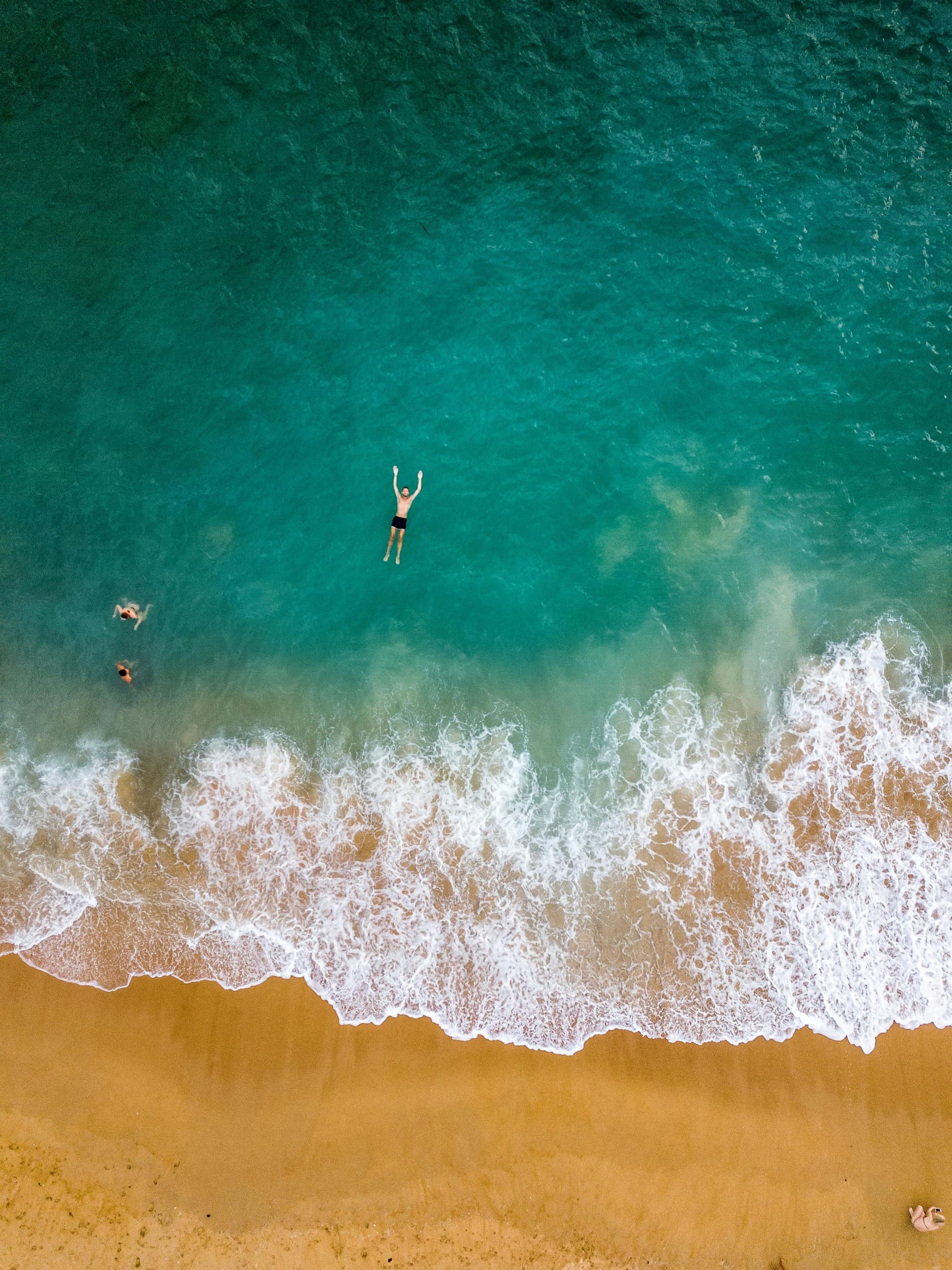
The south coast is lined with beaches, from Tangalle's quiet bays to Mirissa and Unawatuna. Many families end their Ramayana trail with two or three days of rest by the sea, which helps elders recover from long drives.
The south coast is driest roughly December to April, when seas are calm and swimming is safest. From May to September, the south-west monsoon brings rough seas and rain, though the coast is still pleasant for walks and temples.
Choose beach hotels that serve vegetarian food and suit your family's needs, with pools for children and ground-floor rooms for elders.
Planning the south
The southern sites fit naturally after the hill country, with Ella as the departure point. Two to three days covers Kataragama, Ussangoda and Rumassala, and beach days can be added.
Kataragama's festival in July and August is spectacular but very crowded. Ussangoda and Rumassala are best in late afternoon, and the beaches from December to April.
Lankan Stays & Trails plans southern Ramayana routes with guides who tell the Hanuman legends at each site. Tell us how many beach days you want, and we will build the route around them.
Frequently asked questions
What Ramayana sites are on Sri Lanka's south coast?
Ussangoda, a red-soil plateau near Nonagama linked to Hanuman's burning of Lanka, and Rumassala, a headland near Galle said to be a fragment of the Himalaya dropped by Hanuman. Kataragama, inland, is a major Hindu pilgrimage town nearby.
What is the Rumassala legend?
Legend says Hanuman flew to the Himalaya for the Sanjeevani herb to heal Lakshmana, and carried the whole mountain when he could not identify the plant. A fragment fell at Rumassala, explaining its unusual plant diversity.
Why is Ussangoda's soil red?
Legend links the red earth to Hanuman's burning of Lanka or Ravana's flying chariot. Geologists explain it by serpentinite soil rich in minerals that limit plant growth. Guides often share both explanations.
Is Kataragama part of the Ramayana trail?
Kataragama is not part of the Ramayana story, but it is a major multi-faith pilgrimage town sacred to Murugan. Hindu pilgrims in the south often visit for the evening puja, about 2.5 hours from Ella.
How many days for the southern Ramayana sites?
Two to three days covers Kataragama, Ussangoda and Rumassala from Ella, ending in Galle. Add beach days at Tangalle, Mirissa or Unawatuna, or a safari at Yala, for a relaxed finish.
When is the best time for the south coast?
Roughly December to April is driest, with calm seas and safer swimming. From May to September, the south-west monsoon brings rain and rough seas, though temples and walks remain enjoyable.
Can we combine the southern sites with a safari?
Yes. Yala National Park, near Tissamaharama, fits easily between Kataragama and Ussangoda. A morning or afternoon safari adds leopards, elephants and birdlife to the pilgrimage. Stay in Tissamaharama, which suits both the safari and the Kataragama evening puja.