
Quick answer
A Sri Lanka eco-friendly itinerary for Canadian travellers typically runs 9 to 11 days, prioritising Sinharaja Forest Reserve for low-impact rainforest walks, community-run guesthouses over large resorts, and wildlife operators that avoid elephant riding and other exploitative animal encounters. Ethical wildlife viewing means observing animals in genuinely wild settings, a national park safari or a responsible elephant sanctuary that doesn't allow riding or bathing on demand, rather than captive performance-based attractions.
Key takeaways
- Sinharaja Forest Reserve, a UNESCO World Heritage rainforest, is Sri Lanka's clearest low-impact nature destination, with guided walks that directly support local conservation.
- Elephant riding and performance-based animal attractions are widely considered exploitative by conservation organisations and are worth avoiding in favour of observational wildlife encounters.
- Community-run guesthouses and homestays keep tourism revenue more directly within the local area than large foreign-owned resort chains.
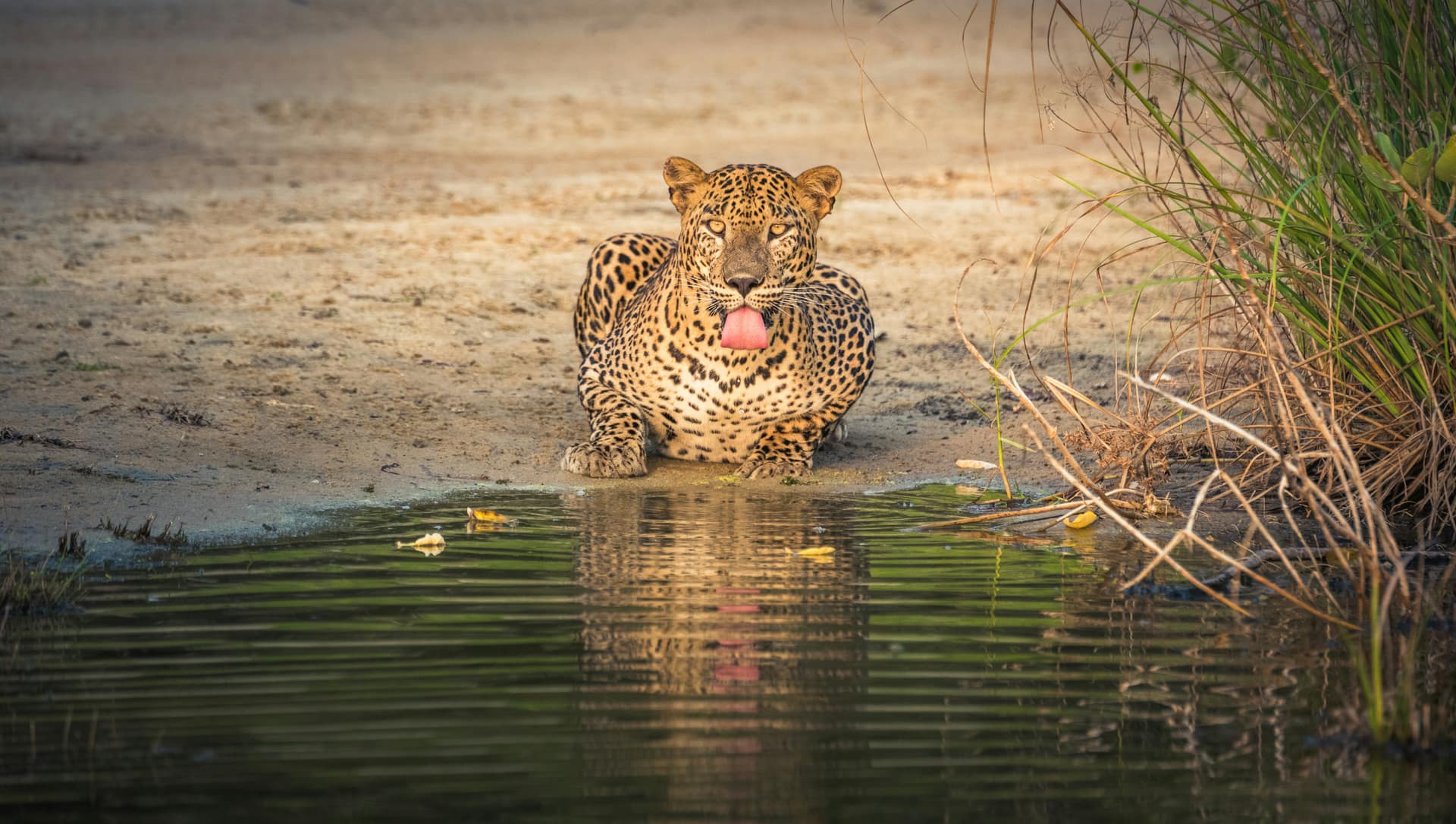
- A wildlife safari in a genuine national park, Yala, Wilpattu or Udawalawe, with a responsible operator respecting vehicle distance rules, is considered ethical wildlife viewing.
- Reef-safe sunscreen and avoiding single-use plastics, particularly around coastal and marine environments, are simple, meaningful choices on this itinerary.
What a Sri Lanka eco-friendly itinerary looks like
An eco-friendly itinerary applies a consistent filter to every choice on the trip: community-run guesthouses over large resort chains, guided rainforest walks over motorised sightseeing, and wildlife encounters that observe animals in genuinely wild or well-regulated sanctuary settings rather than performance-based attractions. Sinharaja Forest Reserve anchors the route as the clearest example of low-impact nature tourism done well.
This approach generally means a slightly slower pace and somewhat more research into specific operators and properties than a standard itinerary, since sustainability claims in Sri Lanka's tourism industry, as elsewhere, are not always accurate and are worth verifying rather than taking at face value.
A sample 10-day route
This sample combines rainforest, community-based accommodation and ethical wildlife viewing.
- →Days 1 to 3: Sinharaja Forest Reserve, staying at a community-run guesthouse near the reserve, with guided rainforest walks.
- →Days 4 to 6: hill country (Ella), for tea-estate walks and community-based homestays.
- →Days 7 to 8: a wildlife safari at Wilpattu or Udawalawe with a responsible operator respecting vehicle distance rules.
- →Days 9 to 10: south coast (Unawatuna or Tangalle), at a smaller, locally owned property, avoiding single-use plastics where possible.
What to avoid, specifically
Elephant riding and performance-based animal shows are widely considered exploitative by international conservation organisations, given the harsh training methods often involved and the animals' welfare in captivity; a responsible elephant encounter instead means observing them in a national park or at a sanctuary that prohibits riding and bathing on demand. Sea turtle hatcheries vary considerably in quality; the better ones focus on conservation and controlled release rather than allowing tourists to handle hatchlings freely.
Coral reef interactions, snorkelling and diving, should avoid touching or standing on coral, and reef-safe sunscreen is worth packing specifically for any coastal or marine-focused days on this itinerary.
Choosing genuinely ethical operators
Verifying a wildlife operator's practices before booking, whether they maintain a respectful distance from animals, avoid baiting for photographs, and follow national park vehicle guidelines, is worth the extra research, since marketing language alone doesn't reliably indicate ethical practice. Community-based tourism initiatives, often smaller and less heavily marketed than mainstream operators, can require a bit more effort to find but generally offer a more direct benefit to the local area.
A private driver-guide with genuine knowledge of and respect for these practices makes a meaningful difference on this itinerary, since they influence which operators and attractions the trip actually visits day to day.
Planning your eco-friendly itinerary
Sinharaja rainforest, community-run accommodation, and wildlife encounters limited to genuine national parks or responsible sanctuaries is the framework for a Sri Lanka trip that makes deliberate, verified choices rather than relying on marketing claims of sustainability.
Lankan Stays & Trails works with community-based operators and ethical wildlife providers for Canadian travellers building an eco-friendly itinerary, verifying practices rather than assuming them.
Frequently asked questions
How many days should a Sri Lanka eco-friendly itinerary be?
9 to 11 days is typical, combining Sinharaja Forest Reserve, community-run accommodation in the hill country, and an ethical wildlife safari at a national park such as Wilpattu or Udawalawe.
Is elephant riding ethical in Sri Lanka?
No, it is widely considered exploitative by international conservation organisations given the training methods often involved and the animals' welfare in captivity. Observing elephants in a national park or a responsible sanctuary is the ethical alternative.
What is Sinharaja Forest Reserve?
A UNESCO World Heritage lowland rainforest and Sri Lanka's clearest example of low-impact nature tourism, with guided walks that directly support local conservation and a high concentration of endemic species.
How do you find community-run accommodation in Sri Lanka?
Community-based tourism initiatives are often smaller and less heavily marketed than mainstream operators, requiring somewhat more research to find, but generally offering a more direct benefit to the local area than large resort chains.
Are sea turtle hatcheries in Sri Lanka ethical?
It varies considerably. Better hatcheries focus on conservation and controlled release; others allow tourists to handle hatchlings freely, which is generally discouraged. Researching a specific hatchery's practices before visiting is worth doing.
What is reef-safe sunscreen and why does it matter in Sri Lanka?
Sunscreen formulated without chemicals known to harm coral reefs, worth packing specifically for any snorkelling, diving or coastal swimming on an eco-friendly Sri Lanka itinerary.