
Quick answer
For Turkish travellers who want a safari specifically, Sri Lanka is the only option of the two, since the Maldives, a coral atoll nation of low-lying islands, has no land wildlife or safari parks whatsoever. Sri Lanka offers leopard and elephant safaris at Yala and Udawalawe national parks, blue whale watching off Mirissa and Trincomalee, and rich birdlife across its wetlands and parks. The Maldives' wildlife strengths lie entirely underwater and in the air above the reef: manta rays, reef fish and seabirds, none of which involve a jeep or a park entry fee.
Key takeaways
- The Maldives has no native land mammals or safari parks, since its islands are low-lying coral formations without the ecosystem to support them.
- Yala National Park is one of the world's most reliable places to spot a wild leopard, alongside elephants, sloth bears and abundant birdlife.
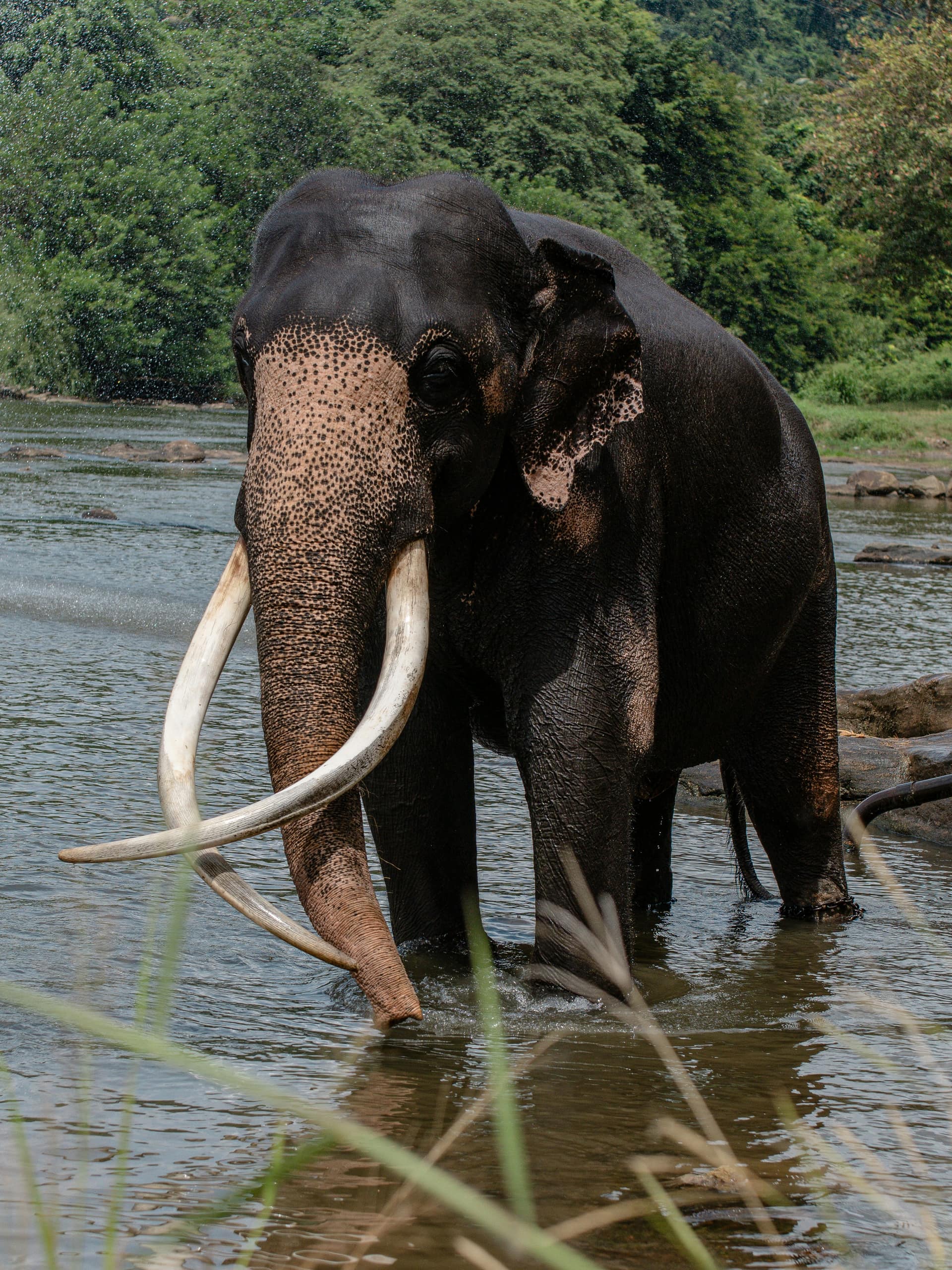
- Udawalawe National Park is known specifically for elephant sightings, with resident herds visible on most safari drives.
- Sri Lanka offers blue whale watching off Mirissa on the south coast and Trincomalee on the east coast, at roughly opposite times of year.
- Sri Lanka's wetlands and national parks support several hundred recorded bird species, including migratory species that arrive during the northern winter.
Sri Lanka vs Maldives wildlife: the short answer
Wildlife and safari is one of the clearest-cut comparisons between Sri Lanka and the Maldives, because the Maldives simply doesn't compete on land wildlife. As a coral atoll nation built from low-lying reef islands, it has no forests, no grasslands and no land mammals to speak of, and therefore no safari parks.
Sri Lanka, by contrast, is a large island with genuine forest, scrub and wetland ecosystems supporting leopards, elephants, sloth bears and hundreds of bird species, plus deep water close enough to shore for blue whale watching. For a Turkish traveller who specifically wants a safari as part of the trip, Sri Lanka isn't just the better option, it's the only one.
- →Land wildlife and safari: Sri Lanka only, the Maldives has none.
- →Marine megafauna: both offer strong experiences, in different forms.
- →Blue whale watching: Sri Lanka only, from two separate coasts.
Leopard and elephant safaris at Yala and Udawalawe
Yala National Park, on Sri Lanka's southeast coast, is internationally recognised as one of the best places in the world to see a wild leopard, alongside a healthy population of elephants, sloth bears, crocodiles and a wide range of birdlife. Safari drives are generally conducted by jeep with a local tracker, typically at dawn or late afternoon when animals are most active.
Udawalawe National Park, further inland, is known specifically for reliable elephant sightings, with resident herds visible on most safari drives around a large reservoir at the park's centre. It's often paired with Yala or visited on its own as part of a Sri Lanka touring itinerary, and it generally sees fewer crowds than Yala's more famous leopard-focused drives.
- →Yala National Park: leopards, elephants, sloth bears, crocodiles and rich birdlife.
- →Udawalawe National Park: reliable elephant sightings around a central reservoir, generally quieter than Yala.
- →Safari format: jeep drives with a local tracker, typically at dawn or late afternoon.
Blue whale watching and Sri Lanka's marine wildlife
Sri Lanka's continental shelf drops off close to shore in two places, off Mirissa on the south coast and off Trincomalee on the east coast, bringing deep-water species like blue whales within reach of a relatively short boat trip. Mirissa's season generally runs roughly during the northeast monsoon months, while Trincomalee's runs roughly opposite, giving Sri Lanka close to year-round whale watching depending on the coast.
This is a genuinely rare wildlife experience globally, and it sits alongside Sri Lanka's land safaris rather than replacing them, meaning a single trip can realistically include both a leopard safari and a whale watching excursion. The Maldives, lacking a comparable shelf structure nearby, does not offer an equivalent experience.
Birdlife across Sri Lanka
Sri Lanka supports several hundred recorded bird species across its wetlands, forests and national parks, including a number of endemic species found nowhere else, plus large numbers of migratory birds that arrive during the northern winter months. Wetland areas such as Bundala, near Yala, and the wider Cultural Triangle wetlands are popular with birdwatchers specifically.
This birdlife is generally woven into the same safari drives that spot leopards and elephants, rather than requiring a separate specialist trip, though dedicated birdwatching tours are also available for travellers who want to focus on it.
- →Several hundred recorded bird species, including a number found only in Sri Lanka.
- →Migratory species arrive seasonally during the northern winter months.
- →Birdlife is generally visible during standard safari drives, not just dedicated birdwatching trips.
What the Maldives offers instead: marine megafauna
The Maldives' wildlife strength lies entirely in and above the water. Manta ray cleaning stations, seasonal whale shark sightings, reef sharks, turtles and an enormous variety of reef fish make it one of the world's strongest destinations for marine wildlife encounters, generally accessed by snorkelling or diving rather than a jeep safari.
Seabirds are also present around many islands, though nothing resembling Sri Lanka's inland birdlife diversity. For a traveller whose idea of wildlife centres on the reef and open ocean rather than land animals, the Maldives delivers an outstanding experience, just an entirely different one from a safari.
Combining a Sri Lanka safari with Maldives marine wildlife
Because the two destinations' wildlife strengths don't overlap, some Turkish travellers combine both: a Sri Lanka leg for leopard and elephant safaris plus whale watching, followed by a Maldives leg for reef and manta ray encounters. This gives a genuinely complete wildlife trip across land and sea, though it adds the Maldives portion's cost on top of a Sri Lanka itinerary.
For travellers who can only choose one, the decision generally comes down to whether wildlife specifically means safari and land animals or reef and marine megafauna. Lankan Stays & Trails builds private, driver-guided Sri Lanka itineraries for Turkish travellers that combine a Yala or Udawalawe safari with a whale watching stop, covering most of what Sri Lanka's wildlife side has to offer in one route.
Frequently asked questions
Does the Maldives have any land wildlife?
No, essentially none. The Maldives is a coral atoll nation of low-lying reef islands without the forest or grassland ecosystems needed to support land mammals, so it has no safari parks or land-based wildlife viewing of any kind.
Where can I see a leopard in Sri Lanka?
Yala National Park on the southeast coast is internationally recognised as one of the best places in the world to see a wild leopard, alongside elephants, sloth bears and rich birdlife, typically viewed on a jeep safari at dawn or late afternoon.
Is Udawalawe or Yala better for elephants?
Udawalawe National Park is generally the more reliable choice specifically for elephant sightings, with resident herds visible around its central reservoir on most drives. Yala also has elephants but is more widely known for its leopard population.
Can I see whales in the Maldives?
Whale sharks are seen seasonally in parts of the Maldives, particularly around South Ari Atoll, though sightings aren't guaranteed. Blue whale watching specifically is a Sri Lanka experience, available off Mirissa and Trincomalee, and not offered in the Maldives.
Is Sri Lanka good for birdwatching?
Yes, Sri Lanka supports several hundred recorded bird species, including a number of endemic species and large numbers of winter migratory birds. Wetland areas near Yala and across the Cultural Triangle are popular with birdwatchers, and birdlife is often visible during standard safari drives.
Can I combine a Sri Lanka safari with a Maldives trip?
Yes, many travellers do, pairing a Sri Lanka leg for leopard and elephant safaris and whale watching with a Maldives leg for reef and manta ray encounters. This adds the Maldives portion's cost on top of a Sri Lanka itinerary, so budget the two segments separately.
What is the best time for a safari in Sri Lanka?
Sri Lanka's national parks are generally open year-round, though the dry season roughly from May to September in the southeast tends to concentrate wildlife around remaining water sources, often improving sighting chances at Yala and Udawalawe. Confirm current park conditions before booking.