
Quick answer
For whale watching off Mirissa in January, wear a light long-sleeved shirt and shorts or light trousers, with a thin windproof layer for the cool, early start. Bring a hat that ties on, polarised sunglasses and high-factor sunscreen. Wear grippy sandals or trainers rather than flip-flops. Take seasickness tablets before boarding, and keep a dry layer in a waterproof bag.
Key takeaways
- Trips leave around dawn and can last five hours or more.
- Long sleeves and a tie-on hat beat sunscreen alone on an open deck.
- A thin windproof helps in the cool first hour and against spray.
- Grippy shoes are safer than flip-flops on a moving deck.
- Seasickness tablets work best taken before boarding.
Sea and sun in January
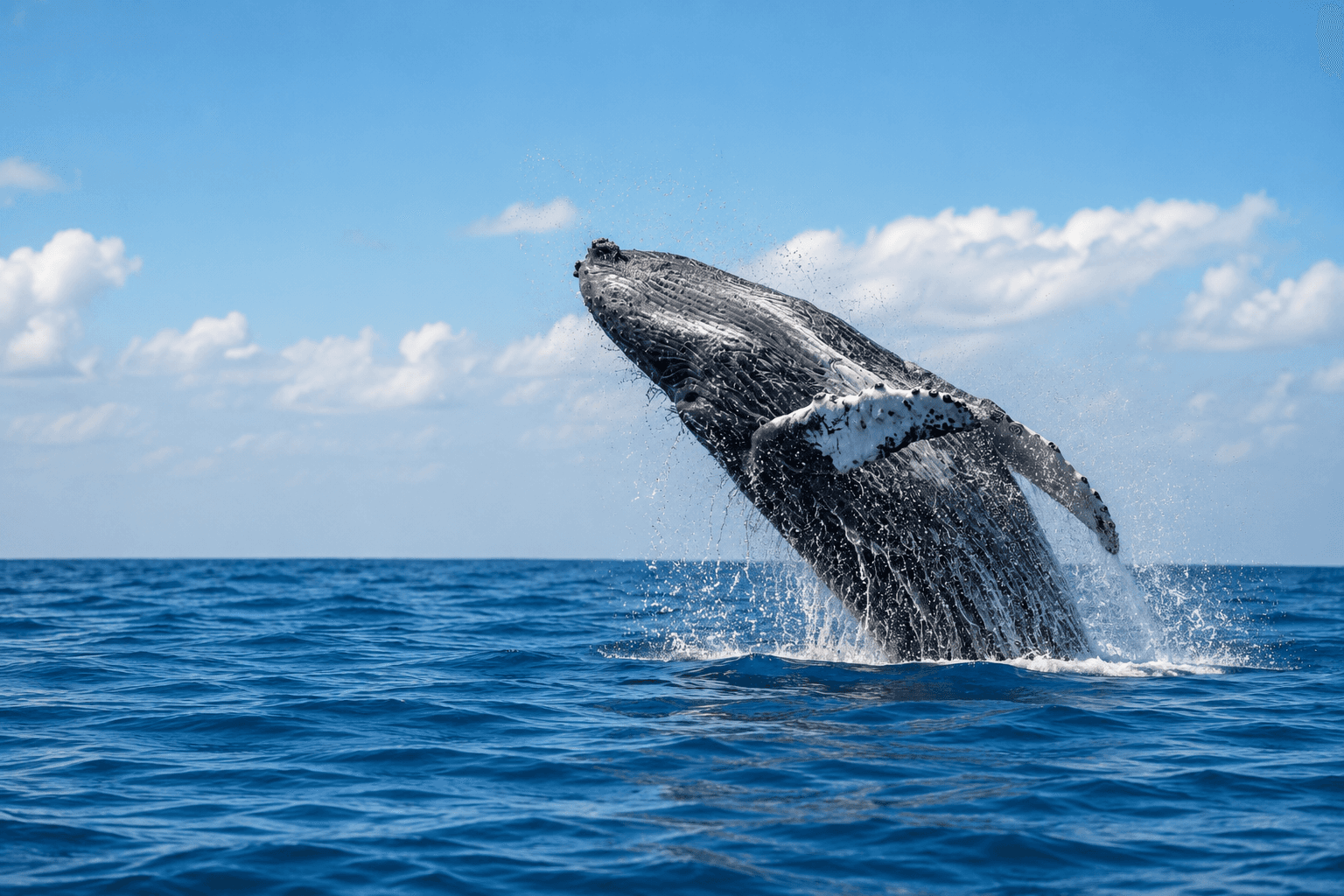
Whale season off Mirissa runs roughly from December to April, and January often brings the calmer sea that December lacks. Blue whales and other species are seen on many trips, though no boat can guarantee sightings.
Boats usually leave harbour around six and head several miles offshore. The first hour can feel cool with the wind, but by nine the sun is high and shade on deck is limited.
Even in good conditions there is swell offshore, and spray reaches the bow on most trips. Plan for sun, wind and splashes rather than one of them.
- →Departures around dawn.
- →Calmer seas than December, with offshore swell.
- →Strong sun from mid-morning.
What to wear on board
A light, quick-dry long-sleeved shirt is the best single item. It shields arms from sun, dries after spray and keeps you cooler than bare skin covered in sunscreen. Shorts or light trousers suit the lower half.
Add a thin windproof jacket for the first hour. Many passengers feel chilly on the ride out at speed, especially on the upper deck, and a windproof also stops spray soaking you.
Avoid heavy cotton, which stays wet, and white clothes that show sunscreen stains and engine grime. Mid-tone colours are practical.
Layering is the simple answer to a changing morning. Many regular passengers wear swimwear or a quick-dry base under their shirt, so a soaking from a big wave is a minor annoyance rather than a long, cold ride back to the harbour.
- →Quick-dry long-sleeved shirt.
- →Shorts or light trousers.
- →Thin windproof for the ride out.
Sun protection
The January sun at sea is intense, and reflected glare adds to it. Apply high-factor sunscreen before boarding and reapply after two hours. Cover ears, neck and the backs of the legs.
A wide-brimmed hat with a chin strap, or a cap with a buff, stays on in the wind. Many visitors lose hats overboard on the ride out.
Polarised sunglasses reduce glare and help spot blows and fins on the surface. A neck strap stops them going overboard when you lean over the rail.
- →High-factor sunscreen, reapplied.
- →Hat with a chin strap.
- →Polarised sunglasses with a strap.
Shoes and bags
Decks get wet and slippery. Sandals with straps and grip, or trainers you do not mind getting wet, are safer than flip-flops. Some boats ask passengers to remove shoes on certain decks.
Keep your phone, camera and a dry layer in a waterproof bag or dry bag. Spray reaches most parts of the boat, and a sudden swell can soak a bag on the floor.
Travel light. Most boats provide breakfast and water, so you need little more than your camera, sunscreen and a small bag.
Avoiding seasickness
Seasickness is the most common problem on whale trips, even in calm January seas. Take tablets about an hour before boarding, eat a light breakfast and avoid alcohol the night before.
Stay on the lower deck near the centre of the boat, where movement is smallest, and look at the horizon. Fresh air helps more than sitting inside.
Lankan Stays & Trails books trips with operators that follow the official whale-watching guidelines, which also means fewer boats crowding the whales and a smoother approach.
- →Tablets an hour before boarding.
- →Light breakfast and no late drinks.
- →Lower deck, centre, eyes on the horizon.
After the trip
Boats return around midday, when the sun is at its hottest. Have water and a hat ready for the walk back from the harbour, and rinse salt from your skin and camera.
Most visitors spend the afternoon resting on the beach at Mirissa or Weligama. A sarong and loose clothes are ideal for recovering after a long morning on the water.
If you feel sick, a light lunch and plenty of fluids help. King coconut water is widely sold and good for rehydration.
Frequently asked questions
What should I wear for whale watching in Mirissa?
Wear a light, quick-dry long-sleeved shirt with shorts or light trousers, plus a thin windproof for the early start. Add a tie-on hat, polarised sunglasses and grippy sandals or trainers. Avoid heavy cotton and white clothes, and keep a dry layer in a waterproof bag.
Is it cold on a whale-watching boat in January?
The first hour can feel cool, especially at speed on the upper deck with wind and spray. After that, the January sun is strong and hot. A thin windproof jacket that you can remove and pack is ideal for the change in conditions.
Should I wear flip-flops on a whale-watching boat?
It is better not to. Decks get wet and slippery, and flip-flops offer little grip. Strapped sandals with good soles or trainers you do not mind getting wet are safer. Some boats ask passengers to go barefoot on certain decks, so easy-off shoes help.
How do I avoid seasickness whale watching?
Take seasickness tablets about an hour before boarding, eat a light breakfast and avoid alcohol the night before. Sit on the lower deck near the middle of the boat and look at the horizon. January seas are usually calmer than December, but swell is common offshore.
Do I need sunscreen on a whale-watching trip?
Yes. Trips last several hours on open sea, and the January sun plus glare from the water causes fast burns. Use high-factor sunscreen before boarding and reapply after two hours. A long-sleeved shirt and hat are more reliable than sunscreen alone.
What should I bring on a whale-watching trip?
Bring sunscreen, a hat with a chin strap, sunglasses, a thin windproof, seasickness tablets, a camera and a waterproof bag. Most boats provide breakfast and water. Keep your bag light and secure, since space on deck is limited and spray reaches most areas.
Can I wear swimwear under my clothes on a whale boat?
Yes, and it is a practical choice. Spray can soak passengers at the bow, and swimwear under a quick-dry shirt and shorts dries quickly. Swimming is not part of a whale-watching trip, so keep the shirt on for sun protection throughout the morning.