
Quick answer
A Sri Lanka wildlife and beach holiday in January is one of the best combinations of the year. The south coast is dry and calm, Mirissa's whale boats run daily with frequent blue whale sightings, Bundala's flamingos and migratory birds are at their peak, and Yala starts to dry out, improving leopard sightings. After the first week, crowds and rates drop from the Christmas peak, making mid to late January particularly good value for the 10-day route.
Key takeaways
- January is dry and calm on the south coast, with temperatures of roughly 27 to 30 degrees.
- Mirissa's whale boats run daily, and blue whale sightings are frequent.
- Bundala's migratory birds and flamingos are often at their peak in January.
- Yala begins to dry out in January, making waterhole sightings more frequent.
- Rates and crowds drop after the first week of January, once the holiday season ends.
January weather on the route
January weather on the wildlife and beach route is about as reliable as Sri Lanka gets. The south and west coasts are in their dry season, with sunny days, low humidity and calm seas. Temperatures on the coast are roughly 27 to 30 degrees, and mornings in the parks can be cool.
The east coast is still in the north-east monsoon, so the south is the coast to choose.
January nights in Tissamaharama and Udawalawe can feel surprisingly cool after a day on the coast, especially in an open jeep at dawn. A fleece or light jacket for the first hour of the safari is worth packing, and it comes off by 8am.
- →Sunshine: long dry spells on the south coast.
- →Sea: calm and clear, good for swimming and snorkelling.
- →Mornings: cool in an open jeep, bring a layer.
Wildlife in January
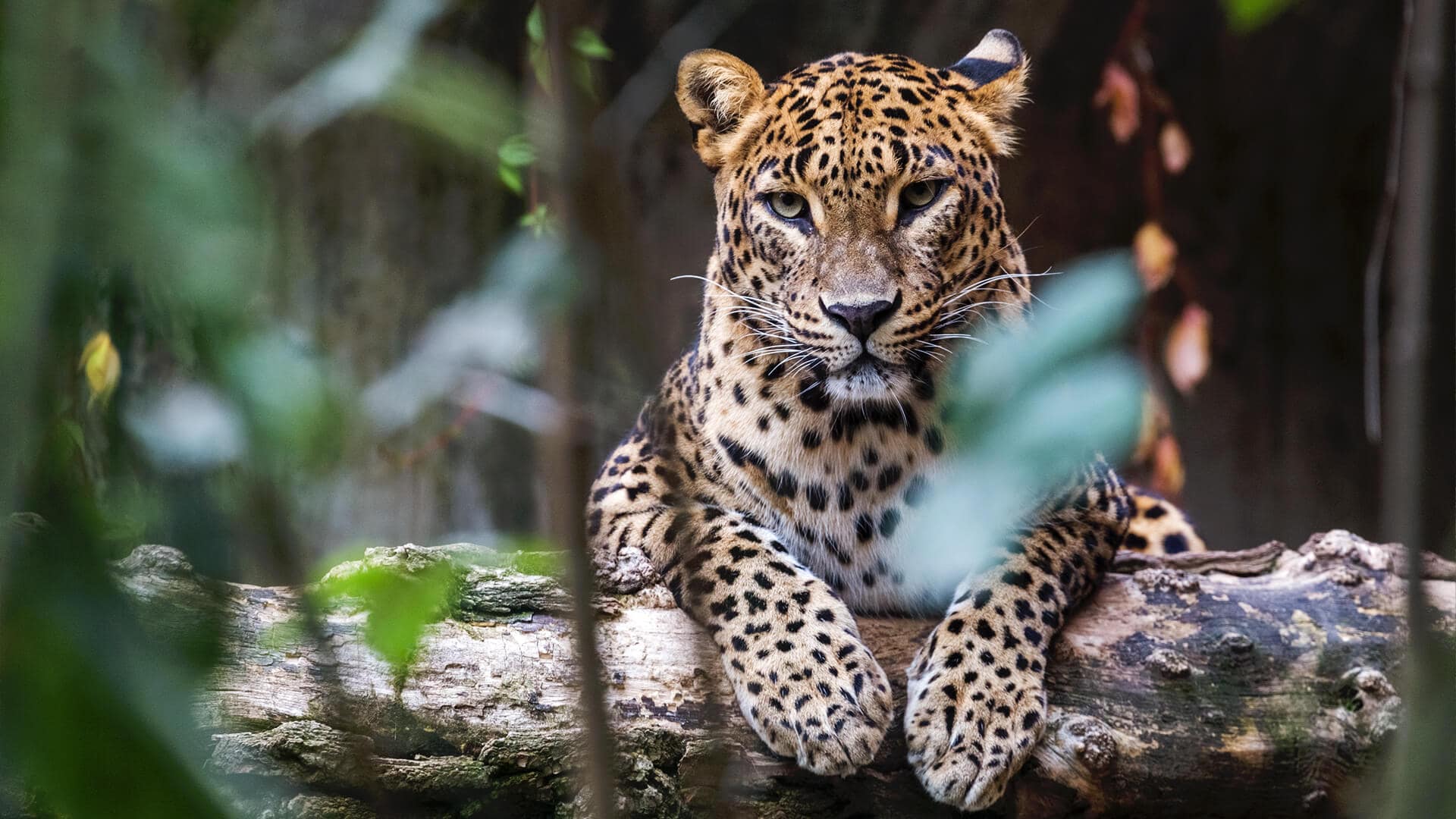
Wildlife in January is excellent across the route. Yala starts to dry out as the month goes on, so animals begin to concentrate at waterholes, and leopard sightings improve. Elephants are reliable at Udawalawe, and Bundala is often at its best for flamingos and waders.
Whale watching from Mirissa is in full season, with blue whales seen on most trips in good years, as well as spinner dolphins. Turtles nest at Rekawa, and the reef at Unawatuna is clear for snorkelling.
For many wildlife watchers, January is the best overall balance of conditions on the south coast route.
Udawalawe in January is green and full of elephants grazing on fresh grass, often with young calves born in the wetter months. Afternoon drives that end at the reservoir at sunset are some of the most photogenic of the year.
- →Yala: drying out, better sightings.
- →Bundala: birds at their peak.
- →Mirissa: whales and dolphins.
- →Unawatuna: clear water for snorkelling.
The January route
The January route follows the classic wildlife and beach itinerary with no changes needed. Everything is in season, and the weather allows any order. The classic order, safaris first and beach last, suits most travellers.
January also suits the safari-heavy version of the route, with extra Yala drives, or the Sinharaja version for birders, since the rainforest is often drier from January.
Travellers arriving in the first week of January may want to swap the order and start on the beach, avoiding the busiest days in Yala, then arrive in the parks as the holiday rush fades. The beach-first version of the route works well for that.
- →Days 1 to 4: Udawalawe, Yala and Bundala.
- →Days 5 to 7: Tangalle, Rekawa, Mirissa and whales.
- →Days 8 to 10: Unawatuna, Galle Fort and the airport.
Crowds and prices
Crowds and prices in January depend on the week. The first week is still part of the holiday season, with high rates and busy parks. From about the second week, rates drop and Yala becomes quieter, though it is never empty in high season.
Duruthu Poya, the January full moon, brings a large procession at the Kelaniya temple near Colombo and a quieter day at temples on the south coast. Alcohol is not sold on poya days. Lankan Stays & Trails often recommends the second half of January as the best value window of the whole season.
- →First week: holiday rates and crowds.
- →Mid to late January: lower rates, quieter parks.
- →Poya: no alcohol sales, temples busy.
Who January suits
January suits almost every traveller on the wildlife and beach route: families during school holidays, couples, birders and photographers. It is particularly good for travellers escaping the northern-hemisphere winter.
It suits less well those who want the driest possible Yala for leopards, which comes later, from February to July.
It is also a good month for a first visit, because nothing on the route is out of season and every variation works, from the safari-heavy version to the beach-heavy one.
Frequently asked questions
Is January a good time for a safari and beach trip in Sri Lanka?
Yes, one of the best. The south coast is dry and calm, whales are in season at Mirissa, Bundala's birds are at their peak and Yala is drying out. After the first week, crowds and rates drop.
Can you see leopards in Yala in January?
Yes. Leopards are seen throughout the year, and January sightings improve as the park dries out and animals gather at waterholes. Two or three drives give the best chance. Dawn drives are best.
Is January good for whale watching in Mirissa?
Yes. January is in the heart of the whale-watching season, with boats running daily and blue whales frequently seen. Seas are usually calm, making it a comfortable time for boat trips.
What is the weather like in Sri Lanka in January?
Dry and sunny on the south and west coasts, with temperatures of roughly 27 to 30 degrees and calm seas. The east coast is still in its wet season. The hill country can be cool at night.
Is January busy in Sri Lanka?
The first week is busy, as part of the holiday season. From around the second week, crowds and rates drop noticeably, though it remains high season on the south coast through to March. Book Yala jeeps and whale boats a few weeks ahead.
Is January good for birdwatching in Sri Lanka?
Yes. Migratory birds are present in large numbers, and Bundala's flamingos and waders are often at their peak. Combine Bundala with Kalametiya lagoon for the best birding on the south coast.