
Quick answer
December is a rewarding but challenging month for wildlife photography in Sri Lanka. Green landscapes and soft, overcast light suit portraits and environmental shots, and migrant birds are at their peak in Bundala and other wetlands. Elephants at Udawalawe are reliable subjects, and blue whales off Mirissa become more accessible late in the month. Tall grass makes leopards in Yala harder to photograph, and rain is common in the afternoon. Bring rain covers, a long lens and plan for morning drives.
Key takeaways
- Green landscapes and soft light suit environmental portraits.
- Migrant birds are at their peak in the wetlands.
- Udawalawe elephants are reliable subjects.
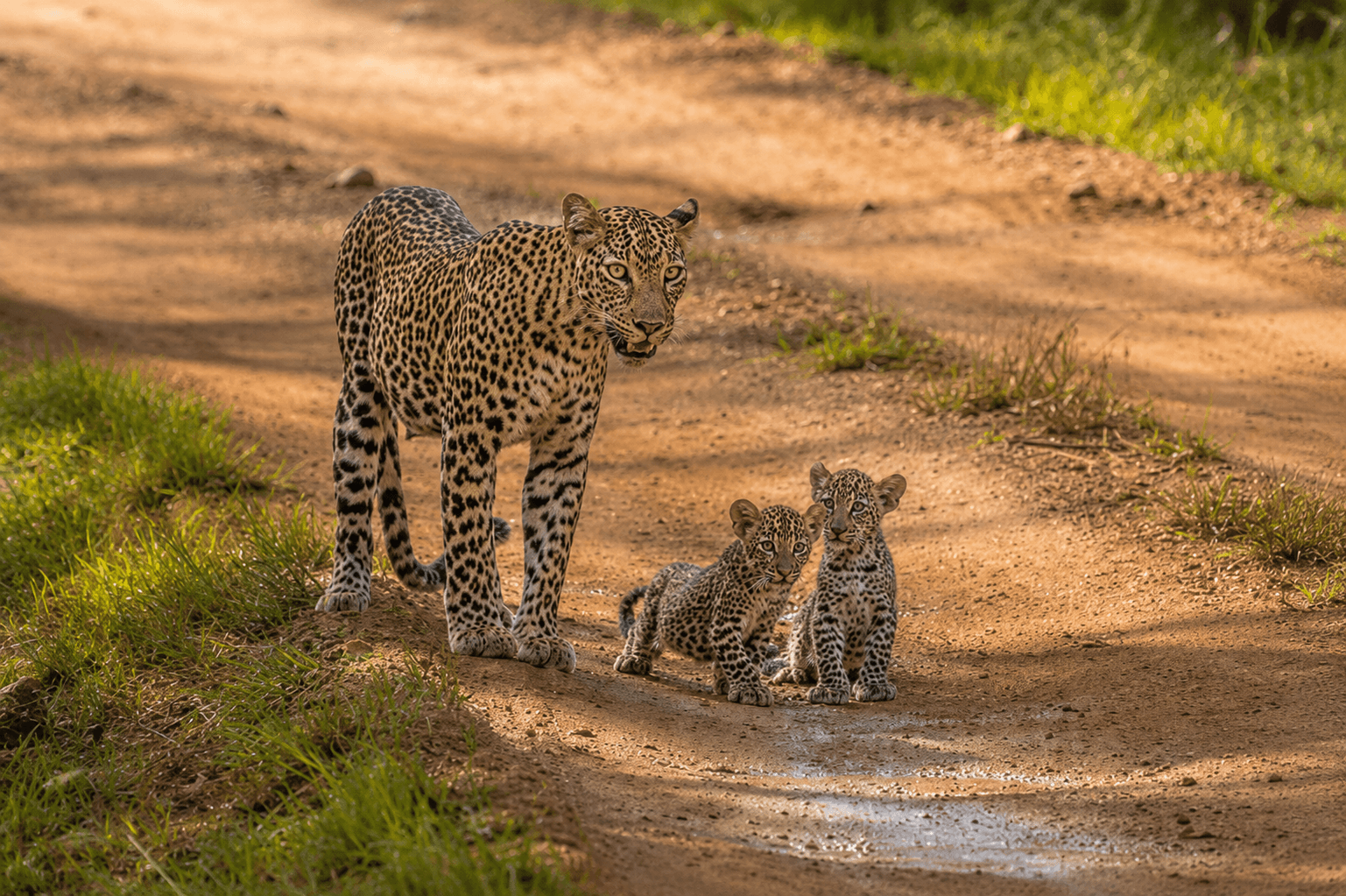
- Tall grass makes leopards harder to photograph.
- Rain covers and dry bags are essential.
Light and landscapes
December's cloud cover often gives soft, even light that is kind to wildlife portraits, reducing harsh shadows and blown highlights. Early mornings can be misty, adding atmosphere, and after rain the colours of the vegetation and the animals are rich and saturated.
The green season also offers contrasts that are absent in the dry months: elephants against fresh grass, storks against full lagoons and dramatic skies over the parks. Environmental shots that show animals in their habitat work especially well.
The downside is lower light levels, especially under cloud and in forests, which push up ISO settings and slow shutter speeds. A lens with a wide aperture and a camera body with good high-ISO performance help.
- →Soft light under cloud.
- →Rich colours after rain.
- →Lower light levels in forests.
Subjects and where to find them
Udawalawe offers reliable elephant photography, with open grasslands and the reservoir as backgrounds. Bundala and Kalametiya are excellent for migrant waders, ducks, storks and sometimes flamingos. Yala offers leopards, sloth bears and elephants, though sightings are harder in the green season.
Off Mirissa, blue whales and spinner dolphins become more accessible as the sea calms in late December. A fast shutter speed and a zoom lens are needed on a moving boat. Sinharaja and Kitulgala offer endemic birds in rainforest, though light is low.
In the hills, Horton Plains has sambar deer and highland birds, and Victoria Park in Nuwara Eliya is good for migrant flycatchers and thrushes.
- →Udawalawe: elephants.
- →Bundala: migrant birds.
- →Mirissa: whales and dolphins.
Challenges of the season
Tall grass and dense vegetation make it harder to get clear shots of leopards and other shy animals in Yala and Wilpattu. Animals are more dispersed, so sightings are fewer and often more distant. Patience and an experienced driver are essential.
Rain is common in the afternoon, and jeeps are open-sided. A rain cover for the camera and lens, a dry bag and a microfibre cloth are essential. Humidity can cause condensation when moving from an air-conditioned room to the outdoors, so let gear acclimatise.
Some tracks close after heavy rain, and drives may be rerouted. Flexibility in planning, with a spare day, helps.
- →Tall grass hides animals.
- →Rain and humidity threaten gear.
- →Tracks occasionally closed.
Gear and settings
A telephoto lens of 400 to 600 mm is ideal for wildlife and birds, with a mid-range zoom for environmental shots and whale watching. A beanbag is more useful than a tripod in a jeep. Bring spare batteries and memory cards, as charging can be limited in some lodges.
Rain covers, silica gel packs, a dry bag and lens cloths protect gear in the wet season. Keep cameras in a padded bag between sightings and wipe them down after each drive.
The planners at Lankan Stays & Trails can arrange private jeeps for photographers in December, so that you control the time spent at each sighting and can wait for the right light.
- →400 to 600 mm telephoto.
- →Beanbag for jeep support.
- →Rain covers and silica gel.
Planning a photography trip
Morning drives usually have the best weather and active wildlife. Full-day safaris give the most time and the best chance of unusual behaviour. Private jeeps allow you to set your own pace.
A December photography route might include Udawalawe for elephants, Bundala for birds, Yala for leopards, Mirissa for whales and Horton Plains for highland landscapes, finishing on the south coast as the weather improves.
Respect wildlife: keep a safe distance, do not encourage drivers to crowd animals and never use flash on nocturnal wildlife or nesting turtles.
Back up your images every evening, as heat, humidity and dust can be hard on memory cards and drives. A small laptop or a portable drive and a habit of cleaning sensors and lenses after each safari keep a long trip trouble-free, especially when you are moving between wet parks and salty coasts.
Frequently asked questions
Is December good for wildlife photography in Sri Lanka?
Yes, with some challenges. Green landscapes and soft light suit portraits, and migrant birds are at their peak. Tall grass makes leopards harder to photograph, and rain is common. Rain covers, a long lens and morning drives help.
Where is the best place to photograph elephants in December?
Udawalawe, where open grasslands and the reservoir make elephants easy to see and photograph in any season. Most safaris see dozens, often close to the jeep. The Elephant Transit Home next door is also good for photographs of young elephants.
Can I photograph leopards in Yala in December?
Possibly, but it is harder than in the dry months. Tall grass and dispersed water hide leopards, and sightings are fewer and often more distant. A full-day safari, a private jeep and an experienced driver improve your chances.
What lens should I bring for wildlife in Sri Lanka?
A telephoto lens of 400 to 600 mm is ideal for wildlife and birds, with a mid-range zoom for environmental shots and whale watching. A beanbag supports the lens in a jeep better than a tripod.
How do I protect my camera from rain in December?
Use rain covers for the camera and lens, carry a dry bag and microfibre cloths, and keep silica gel packs in your bag. Let gear acclimatise when moving from air-conditioning to humid air to avoid condensation.
Is whale photography possible in December?
Yes, especially in late December when the sea off Mirissa is calmer. Use a fast shutter speed to counter the boat's movement and a zoom lens, as whales are often at a distance. Protect your gear from spray.
Should I hire a private jeep for photography?
Yes, if photography is a priority. A private jeep lets you control the time spent at each sighting, wait for the right light and position, and avoid the pressure of shared drives. Experienced drivers can also anticipate animal behaviour.