
Quick answer
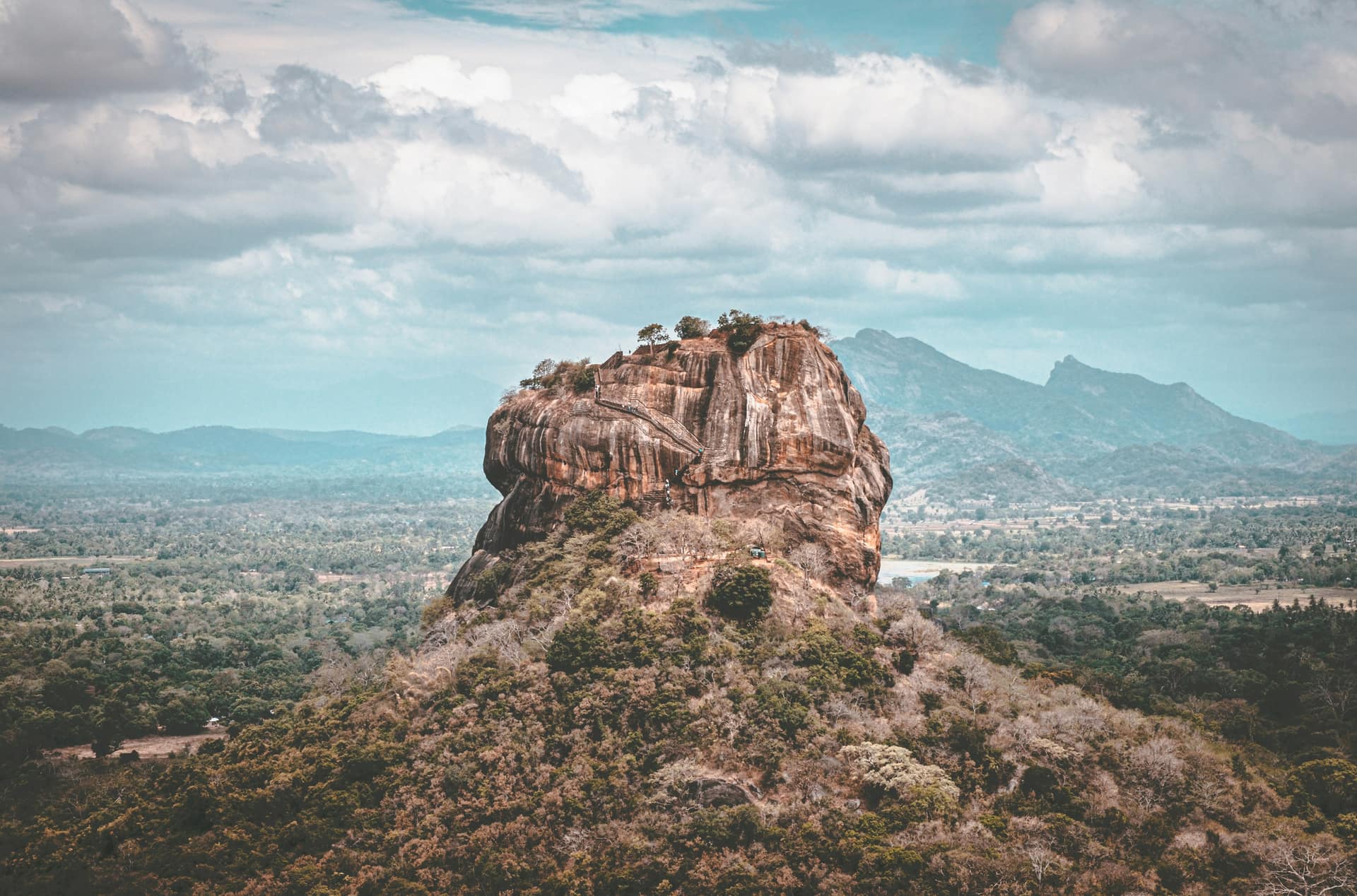
On day 2 of a 7-day Sri Lanka itinerary, climb Sigiriya Rock at opening time, which takes roughly two to three hours for about 1,200 steps, then rest through the midday heat and visit the Dambulla Cave Temple, around 30 minutes' drive away, in the late afternoon. Travellers who prefer a quieter, cheaper climb can do Pidurangala Rock at sunrise instead and view Sigiriya from its summit.
Key takeaways
- Sigiriya Rock has roughly 1,200 steps and takes around two to three hours to climb and descend at a comfortable pace.
- Starting at opening avoids both the worst heat and the tour-bus crowds that build from mid-morning.
- The Dambulla Cave Temple sits roughly 30 minutes from Sigiriya and has five painted caves reached by around 150 to 200 steps.
- Pidurangala Rock is a shorter, rougher climb of roughly 45 to 60 minutes each way, with the classic view of Sigiriya.
- An optional late-afternoon jeep safari at Minneriya or Kaudulla can replace Dambulla for elephant sightings.
Morning: Sigiriya Rock at opening
Sigiriya Rock opens early in the morning, and being at the ticket office at opening is the single most important decision of day 2. The climb of roughly 1,200 steps takes two to three hours return, passing the water gardens, the mirror wall, the painted frescoes of the Sigiriya maidens and the lion's paws before the summit.
By roughly 9 or 10am the tour groups arrive and the narrow spiral staircase to the frescoes and the metal stairs above the lion's paws become slow. The dry-zone heat builds quickly too; an early climb is cooler, quieter and better for photographs. Confirm current opening times and ticket prices locally, since both change.
A licensed guide at the entrance adds a great deal to Sigiriya, explaining the fifth-century King Kashyapa story, the hydraulic engineering of the water gardens and the graffiti poems on the mirror wall. Agree the fee before starting. Travellers nervous of heights should know that the upper staircases are exposed metal steps bolted to the rock face, with railings throughout; most people manage them, but it is worth knowing beforehand.
- →Arrive at the ticket office at opening time; confirm the current hour locally.
- →Allow roughly two to three hours for the full climb and descent.
- →Carry water, a hat and shoes with grip; the upper stairs are exposed.
- →Shoulders and knees covered is respectful, though Sigiriya is not an active temple.
The alternative: Pidurangala at sunrise
Pidurangala Rock, a short drive from Sigiriya, is the alternative climb for day 2. It opens earlier, costs a fraction of the Sigiriya ticket, and takes roughly 45 to 60 minutes each way, finishing with a scramble over boulders that requires hands as well as feet.
The reward is the view of Sigiriya Rock itself rising from the forest at sunrise, which you cannot see while standing on it. Pidurangala has no frescoes, no water gardens and no palace ruins, so it is a view rather than a heritage site. Most first-time visitors should climb Sigiriya; energetic ones can do both.
- →Choose Sigiriya for history, frescoes and the palace summit.
- →Choose Pidurangala for the sunrise view of Sigiriya and a lower cost.
- →Do both only if you are comfortable with two climbs in the heat.
Midday: rest through the Cultural Triangle heat
The Cultural Triangle sits in Sri Lanka's dry zone, and from roughly 11am to 3pm it is the hottest part of the day, often into the low to mid thirties Celsius. Day 2 of the 7-day itinerary deliberately leaves this window empty: lunch, a swim and a rest at the hotel.
Travellers who want to stay active can take a village experience near Sigiriya or Habarana, which typically involves a short ox-cart or catamaran ride on a tank (reservoir) and a home-cooked lunch. Choose one that runs on a small scale and pays the host family directly.
Avoid any midday option that involves elephant rides, which are still offered around the Cultural Triangle. Riding causes the animals real harm, and observing wild elephants from a jeep in Minneriya or Kaudulla later in the day is both more ethical and far more memorable.
Late afternoon: the Dambulla Cave Temple
The Dambulla Cave Temple, also called the Royal Rock Temple, lies roughly 30 minutes from Sigiriya and is best visited from around 3:30pm, when the heat eases and the tour groups have mostly moved on. A climb of roughly 150 to 200 steps leads to five caves filled with Buddha statues and ceiling murals painted over many centuries.
Dambulla is an active Buddhist temple. Remove shoes and hats at the entrance, cover shoulders and knees, and never pose with your back to a Buddha statue for photographs. The rock gets hot underfoot in the afternoon, so thick socks are useful for the walk between caves.
- →Arrive from roughly 3:30pm for softer light and fewer visitors.
- →Allow roughly 90 minutes including the climb and the five caves.
- →Cover shoulders and knees; shoes and hats come off at the entrance.
- →Never turn your back to a Buddha statue for a photograph.
Swapping Dambulla for an elephant safari
An afternoon jeep safari at Minneriya, Kaudulla or Hurulu Eco Park is the most popular alternative to Dambulla on day 2. Elephants move between these parks depending on water, and local drivers choose the park on the day. The elephant gathering at Minneriya is strongest roughly July to October, but sightings are common much of the year.
Choose the safari if elephants are a priority and you will not be taking the safari variant of the route later in the week. Choose Dambulla if you want a second major heritage site and a quieter afternoon. Doing both after an early climb is possible but makes day 2 very long.
A sample timeline for day 2
Laid out hour by hour, day 2 of the 7-day Sri Lanka itinerary looks busier than it feels, because the two sightseeing blocks are separated by a long rest. The timings below assume Sigiriya Rock opens early in the morning; adjust them to the current opening hour confirmed at your hotel.
The flexible part is the late afternoon. If the morning climb has been tiring, Dambulla can shrink to an hour and dinner can come early; if you still have energy, add a short walk around a village tank at sunset, when birds and sometimes elephants come to drink.
- →Around 6am: leave the hotel with a breakfast box.
- →Opening time to roughly 9:30am: climb Sigiriya Rock, water gardens, frescoes and summit.
- →Roughly 10am to 3pm: breakfast, swim, lunch and rest at the hotel.
- →Roughly 3:30pm to 5:30pm: the Dambulla Cave Temple, or a jeep safari at Minneriya or Kaudulla.
- →Evening: dinner and an early night; day 3 starts at a more relaxed hour.
Ending day 2 and moving on
Day 2 ends with a second night in Sigiriya or Habarana, which means no packing until the morning of day 3. That unhurried evening is part of the reason the 7-day Sri Lanka itinerary gives this base two nights rather than one.
Lankan Stays & Trails schedules the Sigiriya climb for opening and the Dambulla visit for late afternoon as standard on this route, because the same two sites feel entirely different at the wrong time of day. Day 3 continues south to Kandy.
Frequently asked questions
Can you do Sigiriya and Dambulla in one day?
Yes, and it is the standard plan. Climb Sigiriya Rock at opening, rest through the midday heat, then visit the Dambulla Cave Temple around 30 minutes away from roughly 3:30pm. Doing them the other way round means climbing Sigiriya in the hottest, busiest part of the day.
How long does it take to climb Sigiriya?
Roughly two to three hours return for about 1,200 steps, including time at the frescoes, the lion's paws and the summit ruins. Fit walkers can do it faster, but the narrow upper stairways often slow down when tour groups arrive from mid-morning.
Is Pidurangala better than Sigiriya?
It is different rather than better. Pidurangala is cheaper, quieter and gives the famous view of Sigiriya at sunrise, but it has no frescoes or palace ruins and ends in a rough boulder scramble. Sigiriya is the heritage site; Pidurangala is the viewpoint.
What should I wear to the Dambulla Cave Temple?
Clothing that covers shoulders and knees, since Dambulla is an active Buddhist temple. Shoes and hats are removed at the entrance, and the rock can be very hot underfoot in the afternoon, so many visitors carry thick socks for walking between the five caves.
Is an elephant safari at Minneriya worth it on day 2?
It is worth it if you will not be doing another safari later in the week. Minneriya, Kaudulla and Hurulu Eco Park are all close to Sigiriya and suit a late-afternoon jeep trip. The gathering is strongest roughly July to October, though elephants are seen much of the year.
What time does Sigiriya open?
Sigiriya opens early in the morning, and arriving at opening time is the best way to avoid heat and crowds. Opening hours and ticket prices change, so confirm the current times locally or with your hotel the evening before rather than relying on older published figures.