
Quick answer
The best places to visit around Kilinochchi and Mullaitivu are Iranamadu tank, the region's great reservoir; Elephant Pass, the narrow link to the Jaffna peninsula; the toppled water tower in Kilinochchi; Mullaitivu's long beach and Nanthi Kadal lagoon; the Nayaru and Kokkilai lagoons for birds; and the Vattappalai Amman kovil. Visit roughly January to September, outside the heaviest north-east monsoon rains.
Key takeaways
- Kilinochchi lies on the A9 roughly 90 minutes south of Jaffna.
- Mullaitivu is on the north-east coast, roughly 90 minutes east of Kilinochchi.
- Some sites are war memorials; visit respectfully and follow photography rules.
- Kokkilai and Nayaru lagoons are rich in birds, especially in the northern winter.
- The coast road from Mullaitivu leads south towards Trincomalee.
The Vanni today
The Vanni is the flat, forested region between Vavuniya and the Jaffna peninsula. Kilinochchi district lies along the A9 in the north-west of the Vanni; Mullaitivu district stretches east to a long, empty coastline. Both are mainly agricultural, with paddy fields, palmyra palms and fishing villages.
The districts saw some of the heaviest fighting of the civil war, which ended in 2009. Rebuilding has been extensive, and the region is calm and welcoming. Some memorial sites exist, and visitors should approach them with respect, keeping in mind that they mark recent loss for local families.
Very few travellers stay here, so facilities are simple. Most visitors pass through on the A9 or on the coast road between Jaffna and Trincomalee.
- →Kilinochchi: Iranamadu, the water tower, Elephant Pass.
- →Mullaitivu: the beach, Nanthi Kadal, Vattappalai.
- →Coast: Nayaru and Kokkilai lagoons.
Kilinochchi and Elephant Pass
Iranamadu tank, east of Kilinochchi town, is the largest reservoir in the north and a lovely place at sunset, with birds and farmers along its banks. It irrigates much of the district's rice land.
In Kilinochchi town, the toppled water tower has been left as a reminder of the war. Elephant Pass, roughly 30 to 40 minutes north, is the narrow strip of land connecting the Jaffna peninsula to the mainland, with salt flats and a war memorial.
These sites are usually seen briefly on the drive between Vavuniya and Jaffna. Photography of military sites may be restricted, so follow signs and local guidance.
Kilinochchi town itself has been largely rebuilt, with new markets, schools and a railway station on the revived northern line. Its wide main road and small restaurants make a practical lunch stop on the A9, and local cooperatives sell palmyra products such as jaggery and crafts woven from leaves.
- →Iranamadu tank at sunset.
- →The water tower memorial.
- →Elephant Pass on the way to Jaffna.
Mullaitivu and its coast
Mullaitivu town sits on a long sandy coast with clear water and very few visitors. The beach is wide and calm in the dry season, roughly May to September, and fishing boats line the sand in the mornings.
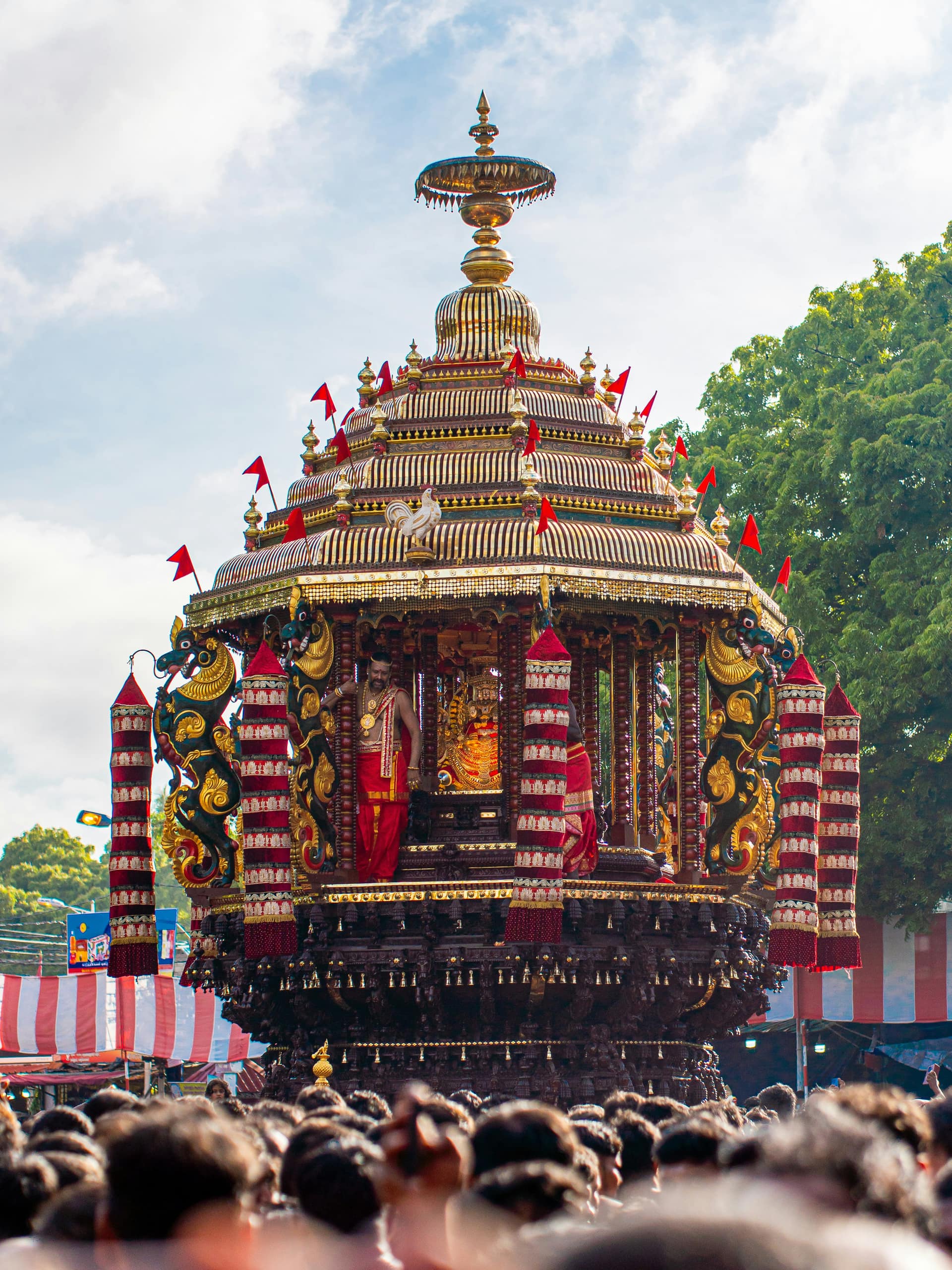
Behind the town, the Nanthi Kadal lagoon is large and peaceful, with birdlife and mangroves. The Vattappalai Amman kovil, a few kilometres away, is an important Hindu temple whose annual festival, usually around May or June, draws large crowds, with dates changing each year.
Mullaitivu was the scene of the war's final battles, and memorials stand in the area. Visitors should be sensitive to local feelings.
- →Mullaitivu beach in the dry season.
- →Nanthi Kadal lagoon.
- →Vattappalai Amman kovil.
Nayaru and Kokkilai lagoons
South of Mullaitivu, the coast road passes Nayaru lagoon, a broad, calm lagoon popular with migratory birds and occasionally used for kitesurfing. Further south, Kokkilai lagoon, on the border with Trincomalee district, is a bird sanctuary known for flamingos, pelicans and waders in the northern winter.
The road from Mullaitivu to Trincomalee via Pulmoddai runs past these lagoons, offering a quiet alternative to returning by the A9. It takes roughly three to four hours with stops.
Lankan Stays & Trails can route travellers from Jaffna to Trincomalee along this coast, adding Mullaitivu and the lagoons to a northern journey.
When to visit and how to get there
The best time to visit Kilinochchi and Mullaitivu is roughly January to September, outside the main north-east monsoon rains of October to December. Birdwatching on the lagoons is best roughly November to March, when migrants arrive.
Kilinochchi is on the A9 and the northern railway, roughly 90 minutes from Jaffna. Mullaitivu is roughly 90 minutes east of Kilinochchi and roughly three to four hours from Trincomalee by the coast road.
Accommodation is limited and simple, so many travellers visit as a day trip or en route. Bring cash, water and snacks, as services are sparse between towns.
- →Best: roughly January to September.
- →Birds: roughly November to March.
- →Bring cash and water for long gaps between towns.
Frequently asked questions
Is Mullaitivu worth visiting?
Mullaitivu is worth visiting for travellers interested in quiet beaches, lagoons and the recent history of the north. Its long beach is calm in the dry season and nearly empty. Facilities are simple, so it suits travellers comfortable with basic accommodation.
What is Elephant Pass?
Elephant Pass is the narrow strip of land connecting the Jaffna peninsula to the rest of Sri Lanka. It has salt flats, a causeway and a war memorial. It lies roughly 30 to 40 minutes north of Kilinochchi on the A9.
Is it respectful to visit war sites in the north?
Visiting war sites in the north can be respectful if done thoughtfully. Treat memorials as places of grief, follow photography rules, avoid posing for photos, and listen to local guides. Remember that many families in the area lost loved ones.
What is Iranamadu tank?
Iranamadu tank is the largest reservoir in Sri Lanka's north, east of Kilinochchi town. It irrigates large areas of rice land and is a peaceful place at sunset, with birds and fishermen along the banks.
Can I drive from Mullaitivu to Trincomalee?
You can drive from Mullaitivu to Trincomalee along the coast road via Pulmoddai in roughly three to four hours, passing Nayaru and Kokkilai lagoons. It is a quiet, scenic alternative to returning via the A9 and Vavuniya.
When is the best time for birds at Kokkilai lagoon?
The best time for birds at Kokkilai lagoon is roughly November to March, when migratory waders, flamingos and other birds arrive from the north. Early morning gives the best light and activity. Access may require local guidance.
Where should I stay near Kilinochchi or Mullaitivu?
Accommodation near Kilinochchi and Mullaitivu is limited to simple guesthouses and a few small hotels. Most travellers visit as a day trip from Jaffna or en route to Trincomalee. Book ahead in festival periods and bring cash, as card payments are not always accepted.