
Quick answer
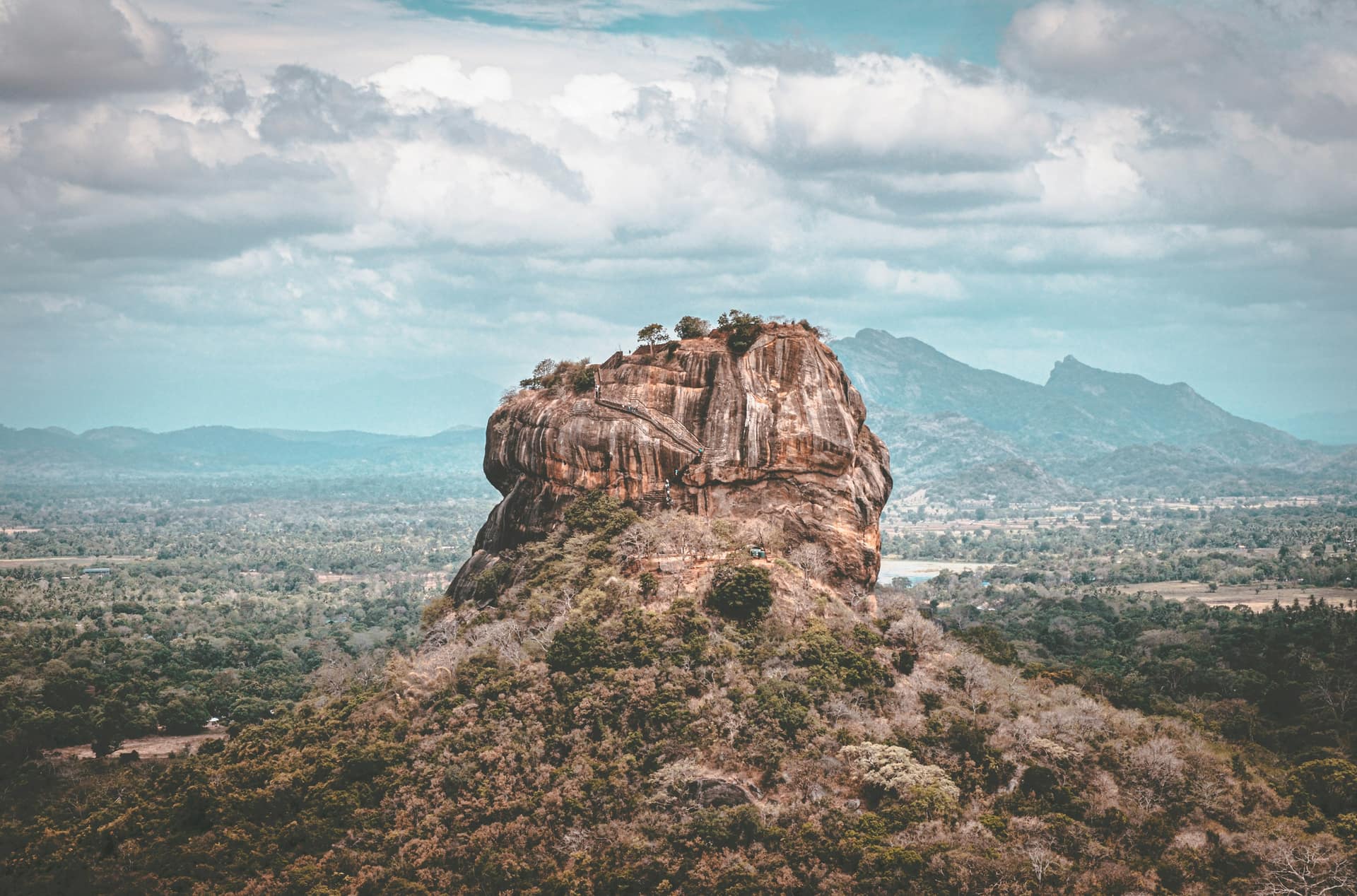
The Cultural Triangle in January and February is mostly dry and pleasant, with daytime highs around 29 to 32°C and cooler mornings. January can still bring occasional showers at the tail of the north-east monsoon, while February is usually drier. The landscape is green and the tanks are full after the rains. These are peak months, so Sigiriya and Dambulla are busy, especially in early January. Start at opening time, book hotels early and expect higher prices.
Key takeaways
- January and February are among the most comfortable months in the Cultural Triangle, with highs around 29 to 32°C.
- Occasional showers can still fall in January, but February is usually one of the driest months of the year.
- The tanks and paddy fields of the Cultural Triangle are at their greenest after the late-year rains.
- January and February are peak months for visitors, and Sigiriya is often crowded from mid-morning.
- Duruthu poya in January and Navam poya in February fall on full moons, with dates shifting each year.
Weather
The weather in the Cultural Triangle in January and February is about as good as the dry zone gets. Daytime highs are typically around 29 to 32°C, mornings can be fresh, and humidity is moderate. January may still bring the odd shower as the north-east monsoon fades, usually short. February is generally dry and sunny.
The light is clear, and early mornings at Sigiriya and Pidurangala are often crisp. By late February, the heat begins to build towards the hot months of March and April.
For travellers from colder climates, the warmth is welcome without being overwhelming, which makes these months good for first-timers.
Rain, when it comes in January, often falls in the late afternoon or at night and clears by morning, so it rarely affects early starts at Sigiriya or Polonnaruwa. The sky after a night shower is often especially clear, which suits sunrise from Pidurangala and photography at the ancient cities.
- →Highs around 29 to 32°C.
- →Occasional January showers.
- →February usually dry and sunny.
- →Cooler mornings.
Landscape and wildlife
The Cultural Triangle landscape in January and February is green after the rains of October to December. Tanks are full, paddy fields lush, and birds abundant around the water, including migrant species from the north.
Elephants are present at Minneriya, Kaudulla and Hurulu, though the big gathering happens later in the year. Safari trackers choose the park with the best sightings each week, and Hurulu or Kaudulla often work well at this time.
- →Full tanks and green paddy.
- →Migrant birds around the water.
- →Elephant safaris: Hurulu or Kaudulla often good.
Crowds and prices
January and February are peak season in the Cultural Triangle, and the first two weeks of January are especially busy as winter holidays end. Sigiriya, Dambulla and Polonnaruwa can be crowded from mid-morning, and the Sigiriya climb can queue at the narrow sections.
Book hotels in Sigiriya, Habarana and Dambulla well in advance. Prices are at their highest, and the best-value rooms go early. Starting sightseeing at opening time is the simplest way to avoid crowds.
Lankan Stays & Trails often reverses the order of sites in peak weeks, sending guests to Polonnaruwa on the day tour groups head to Sigiriya.
Weekends in January and February also bring domestic visitors, especially school groups at Sigiriya, Dambulla and Polonnaruwa. Weekdays are generally calmer. If you can choose, schedule Sigiriya for a weekday morning and keep the weekend for Anuradhapura's quieter northern monasteries or an elephant safari.
- →Book hotels early.
- →Start at opening time.
- →Swap the order of sites to dodge groups.
Poya days and events
January and February each have a poya day, the monthly full-moon holiday. Duruthu poya in January commemorates the Buddha's first visit to Sri Lanka, and Navam poya in February marks the appointment of his chief disciples. Both bring pilgrims to Cultural Triangle temples.
Dates follow the lunar calendar and shift each year, so check them when planning. Alcohol sales stop on poya days, and Anuradhapura's Sri Maha Bodhi is especially atmospheric then.
- →Duruthu poya in January.
- →Navam poya in February.
- →Dates shift each year; check before booking.
Planning a visit
A three or four-night Cultural Triangle stay works perfectly in January and February. Sigiriya at opening, Dambulla in the late afternoon, Polonnaruwa by bicycle and an elephant safari make a classic plan, with Anuradhapura on a fourth day.
These months also suit combining the Cultural Triangle with the south and west coasts, which are at their best from December to April. The east coast is wetter until roughly April.
- →Three or four nights at a central base.
- →Combine with the south and west coasts.
- →Avoid the east coast until spring.
Frequently asked questions
Is January a good time to visit the Cultural Triangle?
Yes. January is warm, mostly dry and green after the rains, with highs around 29 to 32°C. Occasional showers can fall early in the month. It is peak season, so book early and start sightseeing at opening time to avoid crowds at Sigiriya.
What is the weather like in the Cultural Triangle in February?
Usually dry and sunny, with highs around 30 to 32°C and cooler mornings. February is one of the driest and most comfortable months, though heat builds towards the end of the month ahead of March and April.
Is Sigiriya crowded in January?
Often, especially in the first two weeks as holidays end and from mid-morning onwards. Arriving at opening time, around 7am, avoids most of the crowds. Late afternoon is another quieter window, though the light and heat differ.
Can I see elephants in the Cultural Triangle in January?
Yes. Elephants are present at Minneriya, Kaudulla and Hurulu year-round, and trackers choose the park with the best sightings that week. The large gathering at Minneriya happens later, roughly July to September.
Does it rain in the Cultural Triangle in January?
Sometimes. The north-east monsoon is fading, so short showers are possible, especially early in the month. Most days are dry. February is usually drier still, and rain rarely disrupts sightseeing.
Should I book hotels early for February?
Yes. February is peak season, and the best-value hotels in Sigiriya, Habarana and Dambulla fill early. Booking a few months ahead secures better choice and prices, especially around mid-February holidays.
What should I pack for the Cultural Triangle in January?
Light clothes covering shoulders and knees, a light layer for cool early mornings, sun protection, slip-on sandals and trainers, and a compact umbrella for the odd January shower. Thin socks help on hot stone later in the day.