
Quick answer
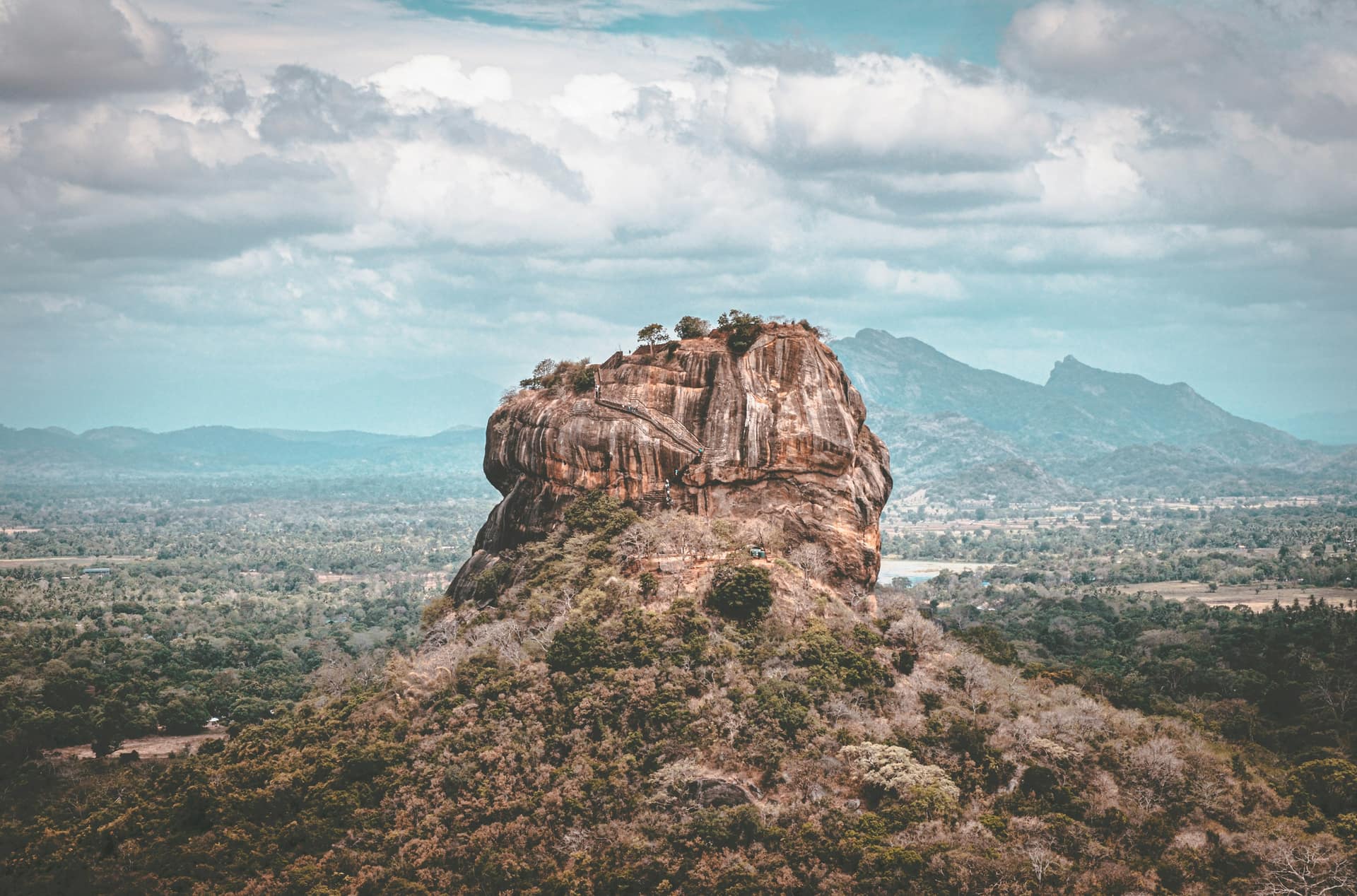
Days 3 and 4 of the 14-day culture, wildlife and beach route are spent from a Sigiriya base. Day 3: climb Sigiriya Rock at opening (roughly 1,200 steps, two to three hours), rest at midday, then take an afternoon jeep safari at Minneriya, Kaudulla or Hurulu, wherever the elephants are. Day 4: drive roughly an hour to Polonnaruwa, cycle the ruins for three to four hours with Gal Vihara last, and spend the afternoon resting or on a village walk.
Key takeaways
- Sigiriya Rock is best climbed at opening time, before the heat and the tour groups.
- The afternoon elephant safari is chosen on the day, because the herds move between Minneriya, Kaudulla and Hurulu.
- Polonnaruwa is roughly one hour's drive from Sigiriya and is best explored by bicycle.
- Gal Vihara's four rock-cut Buddha figures are the highlight of Polonnaruwa and a good place to finish.
- Pidurangala at sunset, a village walk or simply the pool fills the second afternoon.
Day 3: Sigiriya Rock at opening
Sigiriya Rock is the single most famous sight on the island, and the way you climb it matters. Be at the gate as it opens. The early light is soft, the steps are cool and the summit is quieter, while by late morning the heat and the queues on the narrow stairways can make the climb hard work.
The climb is roughly 1,200 steps and takes two to three hours with time to look around. It passes the water gardens, the mirror wall, the famous frescoes of the cloud maidens and the giant lion's paws before the final stairway to the summit palace. A guide brings the fifth-century story of King Kashyapa to life.
Afterwards, return to the hotel for a late breakfast, a swim and a long midday rest. The afternoon safari needs energy and an alert eye.
- →Be at the gate at opening time.
- →Allow two to three hours for the climb.
- →Carry water; there is little shade near the top.
- →Those uneasy with heights should know the summit stairs are exposed.
Day 3 afternoon: the elephant safari
In the afternoon, a jeep safari visits one of three parks where wild elephants gather around ancient reservoirs: Minneriya, Kaudulla or Hurulu Eco Park. Jeep drivers choose the park on the day according to where the herds are feeding. From about July to September, Minneriya hosts the Gathering, one of the largest congregations of Asian elephants anywhere, but sizeable herds are present in most months.
Safaris usually leave around 2.30pm to 3pm and return at dusk. Expect to see elephants at close range, along with water birds, monitor lizards and sometimes crocodiles. Choose a driver who keeps a respectful distance and switches off the engine near the herd.
- →Park chosen on the day: Minneriya, Kaudulla or Hurulu.
- →Roughly three hours, finishing at dusk.
- →Ask for a driver who does not crowd the elephants.
Day 4: Polonnaruwa by bicycle
Polonnaruwa was the island's capital in the eleventh and twelfth centuries, and its ruins are more compact and better preserved than Anuradhapura's. The drive from Sigiriya takes roughly an hour. Start early, hire bicycles near the entrance and work through the site from south to north, finishing at Gal Vihara.
The royal palace and council chamber, the Sacred Quadrangle with its circular Vatadage, the Lankatilaka image house and Rankoth Vehera are the main stops. Gal Vihara's four great figures carved from a single granite face are the climax and one of the masterpieces of Sri Lankan art. Allow three to four hours in total.
Having seen Anuradhapura on day 2, you will notice how the architecture has developed, and a guide can point out the influences from South India that shaped the later capital.
- →Royal palace and council chamber.
- →The Sacred Quadrangle and the Vatadage.
- →Lankatilaka and Kiri Vehera.
- →Gal Vihara: the four rock-cut Buddhas, last.
Day 4 afternoon: slowing down
Day 4's afternoon is deliberately unscheduled. After two early starts and a day of ruins, most travellers want a swim and a rest. Three nights at Sigiriya is what makes this possible, and it is one of the reasons the route feels calm rather than rushed.
For those with energy, three options suit the late afternoon. Pidurangala, the rock next to Sigiriya, is a shorter, rougher climb with the best view of Sigiriya itself at sunset. A village walk with a family lunch or tea shows rural life, and a short boat ride on a tank is gentle and pretty.
- →Pidurangala at sunset: rough steps and a scramble at the top.
- →Village walk: paddy fields, home gardens and a family visit.
- →The pool: always an option.
How the two days fit the route
Days 3 and 4 complete the Cultural Triangle. Anuradhapura, Sigiriya and Polonnaruwa have been seen in order, and the elephants have opened the wildlife strand that returns in the south. Day 5 takes you to Dambulla's painted caves and then on to Kandy.
Lankan Stays & Trails can swap the order of days 3 and 4 if the weather or crowds suggest it, or move the safari to the afternoon of day 4. The important thing is to keep one afternoon free.
Frequently asked questions
Can I climb Sigiriya and do an elephant safari on the same day?
Yes, and it works well. Climb Sigiriya at opening, rest through the midday heat, then take the afternoon safari, which usually starts around 2.30pm to 3pm. The two activities never clash, and the long lunch break keeps the day comfortable.
Which park is best for elephants near Sigiriya?
Minneriya, Kaudulla and Hurulu all have wild elephants, and the best one changes through the year as the herds move. Minneriya is famous for the Gathering, roughly July to September; at other times Kaudulla or Hurulu may be better. Local jeep drivers choose on the day.
Is Polonnaruwa worth it after Anuradhapura?
Yes. Polonnaruwa is more compact and better preserved, and its carvings, especially Gal Vihara, are among the finest on the island. Seeing it after Anuradhapura shows how the kingdom's art and architecture developed. A morning by bicycle is enough.
How hard is the Sigiriya climb?
Moderate. Roughly 1,200 steps take two to three hours with stops, and some stairways are narrow and exposed. Most reasonably fit visitors manage it comfortably at opening time. Those with heart conditions, vertigo or knee problems should take it slowly or enjoy the water gardens and museum instead.
Should I stay in Sigiriya or Habarana?
Either works. Sigiriya village is closer to the rock and to Pidurangala, and its hotels sit among paddy fields. Habarana is slightly closer to the elephant parks and to Polonnaruwa. For this route, with three nights and both activities, Sigiriya is usually the easier choice.
What is the Gathering?
The Gathering is the seasonal congregation of wild elephants around the Minneriya reservoir, roughly July to September, when the water recedes and fresh grass grows on the exposed bed. Herds of a hundred or more can be seen at once. It is outside this route's main window, but appears in the May to September version.