
Quick answer
Dambulla in January is mostly dry and green, with days of about 29 to 30°C and fresh mornings. Visit the cave temple early, when it is cool and quiet, and allow about one to two hours including the climb. Cover shoulders and knees and remove shoes and hats at the entrance. Duruthu poya and weekends bring pilgrim crowds. Dambulla is about 30 minutes from Sigiriya.
Key takeaways
- The Dambulla cave temple has five caves of statues and murals.
- January brings mostly dry weather and clear views.
- Early morning is the best time to visit.
- Modest dress is required and shoes come off.
- Duruthu poya and weekends bring pilgrim crowds.
Dambulla's weather in January
Dambulla lies in the dry zone of the Cultural Triangle. In January, most days are dry, with occasional showers in the first half of the month as the north-east monsoon fades. Days reach about 29 to 30°C, with fresh mornings.
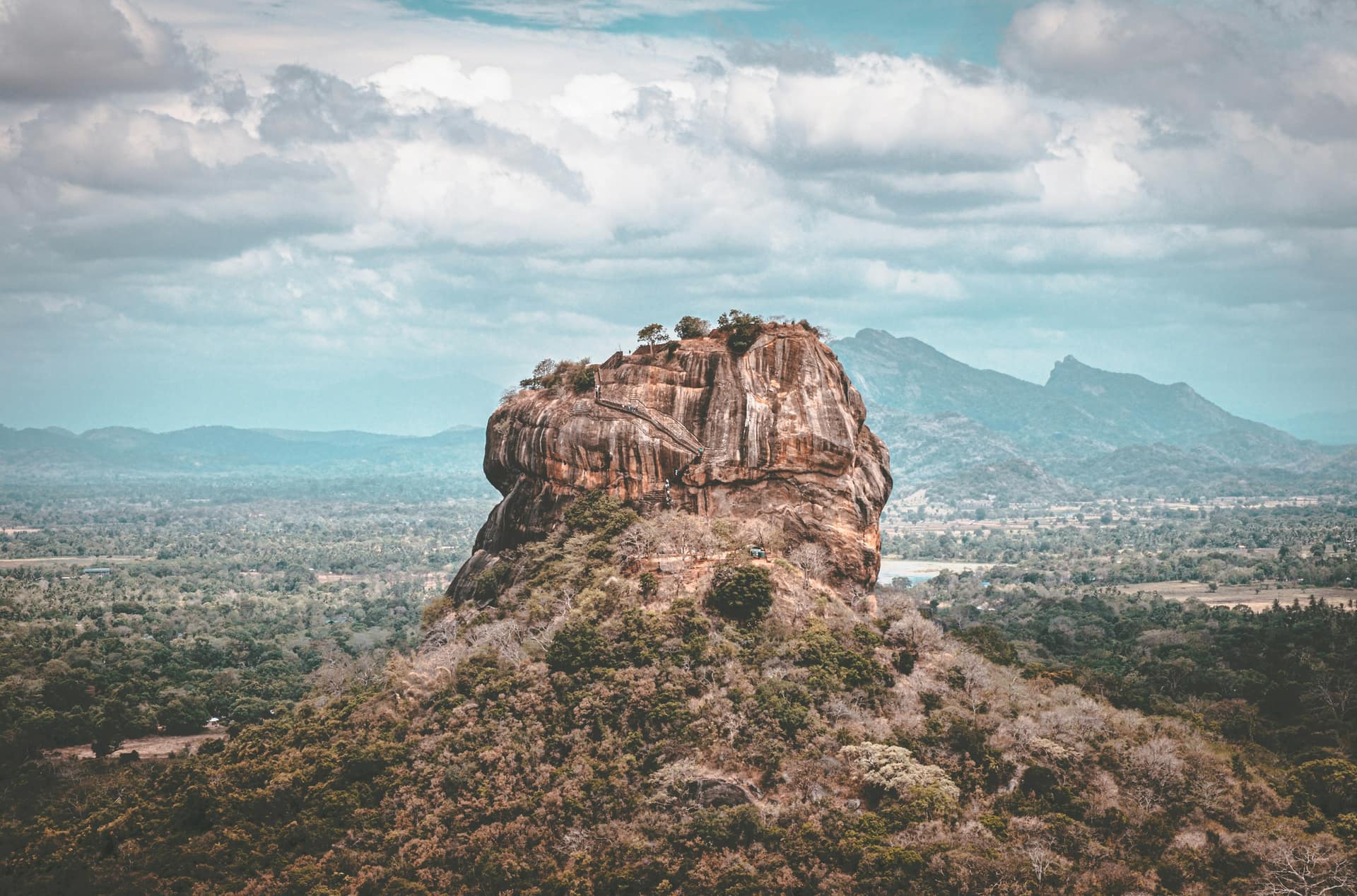
After the rains, the surrounding forests and paddy fields are green, and the views from the rock across to Sigiriya are often clear. The rock itself gets hot by mid-morning.
Plan to arrive early and finish before the midday heat. Late afternoon is the second-best time, with soft light and fewer tour groups.
- →Mostly dry, about 29 to 30°C.
- →Green views to Sigiriya.
- →Arrive early or late in the day.
The cave temple
The Dambulla cave temple, also called the Golden Temple or Rangiri Dambulla, has been a place of worship for over two thousand years. Its five caves hold more than 150 Buddha statues and paintings that cover the rock walls and ceilings.
The largest cave, Maharaja Viharaya, contains dozens of seated and standing Buddhas and a ceiling painted with scenes from the Buddha's life and Sri Lankan history. The first cave holds a large reclining Buddha carved from the rock.
Photography is generally allowed inside without flash, but never pose with your back to a Buddha image. Speak quietly, as worshippers come to pray and make offerings.
- →Five caves and over 150 statues.
- →Maharaja Viharaya is the largest.
- →No flash and no posing with Buddhas.
The climb and the views
The caves are reached by a stepped path up the rock, which takes about 15 to 20 minutes at a steady pace. The path is shaded in parts, but it is still hot by mid-morning in January.
Monkeys are common on the path. Keep food out of sight and hold on to bags and sunglasses.
At the top, the terrace in front of the caves offers views across the plains to Sigiriya. January's clear mornings give some of the best views of the year.
- →About 15 to 20 minutes up.
- →Watch out for monkeys.
- →Views to Sigiriya from the terrace.
Dress code and shoes
The cave temple is an active place of worship, and visitors must cover their shoulders and knees. Sarongs are sometimes available at the entrance, but it is easier to arrive dressed appropriately.
Shoes come off at the entrance to the cave terrace, and there is a shoe stand for a small fee. The rock terrace gets very hot by late morning, so thin socks are a sensible addition.
Hats must also be removed. Lankan Stays & Trails reminds guests that visible Buddha tattoos should be covered, as they can lead to refused entry at Dambulla and other sacred sites.
Poya days and crowds
Duruthu poya, the January full moon, brings many pilgrims to Dambulla. Families arrive dressed in white with flowers and offerings, and the caves can be crowded.
Visiting on poya day can be a moving experience, but expect queues and slower movement inside the caves. Weekends are also busy with local visitors.
For a quieter visit, choose a weekday morning. Tour groups tend to arrive mid-morning, after visiting Sigiriya or on the way to Kandy.
- →Pilgrims on Duruthu poya.
- →Busy weekends.
- →Quiet weekday mornings.
Nearby sights
Sigiriya is about 30 minutes away, and many travellers visit both on the same day: Sigiriya at dawn, Dambulla in the late afternoon, or the other way round.
The Dambulla Dedicated Economic Centre is a huge wholesale market where farmers bring vegetables and fruit from across the island. It is a lively place to see Sri Lanka's produce, including January's pineapples, papayas and bananas.
The Ibbankatuwa megalithic tombs, a short drive from the town, are a prehistoric burial site with stone cists dating back over two thousand years. The Popham Arboretum, nearby, is a quiet dry-zone forest for walking.
- →Sigiriya: about 30 minutes.
- →The wholesale market.
- →Ibbankatuwa megalithic tombs.
Frequently asked questions
Is Dambulla worth visiting in January?
Yes. January is a good time to visit Dambulla, with mostly dry weather, green views and clear mornings. The cave temple is one of Sri Lanka's most important religious sites. Arrive early to avoid the heat and tour groups, and allow about one to two hours.
What should I wear to Dambulla cave temple?
Wear clothes that cover your shoulders and knees. Shoes and hats must be removed at the entrance to the cave terrace. Thin socks help on hot stone, and visible Buddha tattoos should be covered, as they can lead to refused entry at sacred sites.
How long does it take to climb to Dambulla cave temple?
The stepped path takes about 15 to 20 minutes at a steady pace. Allow one to two hours for the full visit, including the climb, the five caves and the views from the terrace. Start early in January to avoid the midday heat.
Is Dambulla crowded on poya days?
Yes. Duruthu poya, the January full moon, brings many pilgrims, and the caves can be crowded. It can be a moving experience, but expect queues. Weekends are also busy. For a quieter visit, choose a weekday morning.
Can I visit Dambulla and Sigiriya on the same day?
Yes. They are about 30 minutes apart. A popular plan is to climb Sigiriya at opening time and visit Dambulla in the late afternoon, or the reverse. Both involve climbing, so pace yourself and drink plenty of water in the January heat.
Are there monkeys at Dambulla?
Yes. Monkeys are common on the path to the caves and around the terrace. Keep food out of sight, hold on to bags and sunglasses and do not feed them. They are usually harmless but can snatch items if given the chance.
Is photography allowed in Dambulla caves?
Photography is generally allowed without flash, but follow any signs at the entrance. Never pose with your back to a Buddha statue, which is considered disrespectful. Be discreet when photographing worshippers and ask permission before taking close-up portraits.