
Quick answer
Ethical wildlife choices on the culture, wildlife and beach route are simple: watch animals in the wild from a respectful distance, and avoid any experience that involves riding, touching, feeding or captive display. That means jeep safaris instead of elephant rides near Sigiriya, the Elephant Transit Home instead of Pinnawala, Rekawa's community turtle watch instead of tank hatcheries, and responsible whale-watching boats that never chase whales. Choose careful safari drivers who keep their distance.
Key takeaways
- Elephant rides and bathing shows near Sigiriya involve captive animals and are best avoided.
- The Elephant Transit Home at Udawalawe raises orphans for release, with no contact.
- Rekawa's community turtle watch is observation only; many hatcheries keep turtles in tanks.
- Responsible whale-watching boats approach slowly, keep their distance and never chase.
- Safari drivers should not race to sightings, crowd animals or leave the tracks.
The basic principle
The guiding principle is simple: animals should be wild, free and undisturbed. Any experience that involves riding, touching, feeding, bathing or posing with animals almost always depends on captivity or habituation that harms them. Watching wild animals behave naturally, from a respectful distance, is both more ethical and more rewarding.
The culture, wildlife and beach route is built on this principle. Every wildlife experience on it is observation only: jeep safaris, a transit home viewed from a platform, a turtle watch from a distance and whale watching from a boat. The choices below help keep it that way.
Responsible choices are rarely more expensive, and they are usually more memorable.
- →Wild, free and undisturbed.
- →No riding, touching or feeding.
- →Observation only.
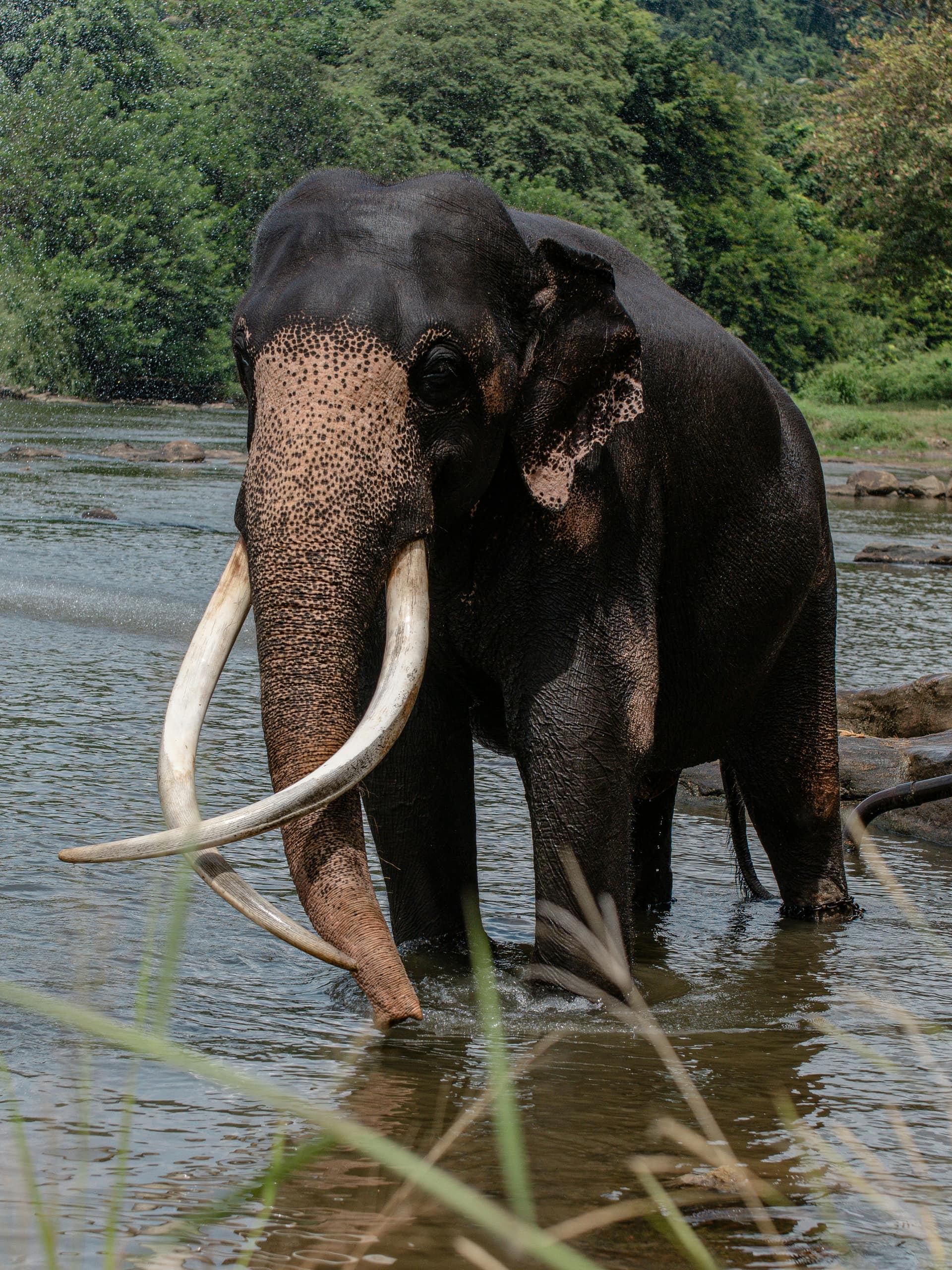
Elephants
Around Sigiriya and Habarana, elephant rides are widely offered, often with chained animals carrying tourists along roads or into lakes. These elephants are captive, and their training and working conditions raise serious welfare concerns. The jeep safari on day 3, among wild herds, is a far better experience.
Pinnawala Elephant Orphanage, near Kegalle on the day 7 drive, has long faced criticism for chaining, bathing displays and close contact. The Elephant Transit Home at Udawalawe is run differently: orphaned calves are raised for release into the wild, and visitors watch feeding from a platform without contact.
Temple elephants, seen at festivals such as the Esala Perahera, are a sensitive cultural issue. Visitors can watch respectfully but should not seek out close contact.
- →Avoid: elephant rides and bathing shows.
- →Avoid: Pinnawala.
- →Choose: wild elephant safaris and the Elephant Transit Home.
Safaris
Even jeep safaris can be done badly. In busy parks, especially Yala's Block 1, jeeps sometimes race to sightings, crowd around leopards and block their paths, causing stress to the animals and danger to people. Choose operators who follow park rules, keep their distance and switch off engines when stopped.
Never feed wild animals, including elephants that approach vehicles near park boundaries. Keep noise low and take all litter away. Lankan Stays & Trails works with safari drivers who are known for careful, patient driving, and briefs them on the traveller's expectations.
- →Keep a respectful distance.
- →Engine off when stopped.
- →No racing, crowding or off-track driving.
- →Never feed animals.
Turtles
Many turtle hatcheries along the south coast keep eggs and young turtles in tanks for visitors to handle and photograph, sometimes releasing hatchlings at times convenient for tourists rather than the turtles. Conservation value varies widely, and some are little more than attractions.
Rekawa's community-run turtle watch, near Tangalle, is a better choice. Turtles nest naturally on the beach, and visitors watch from a distance with red lights only, no flash and no touching. Sightings are not guaranteed, which is part of what makes them meaningful.
- →Avoid: hatcheries with tanks and handling.
- →Choose: Rekawa's observation-only watch.
- →Red light only, no flash, no touching.
Whales and dolphins
Whale watching off Mirissa is popular, and in peak season many boats go out at once. Irresponsible operators chase whales, surround them or approach head-on, causing stress and disrupting their behaviour. Choose an operator that follows guidelines: approaching slowly from the side, keeping a distance and limiting time with each whale.
Swimming with whales is not permitted in Sri Lanka, and dolphins should be watched from the boat. Larger, slower boats are often more responsible and more comfortable.
Ask about the operator's approach before booking, and do not encourage the skipper to get closer.
- →Approach slowly from the side.
- →Keep a distance; never chase.
- →No swimming with whales.
Other wildlife choices
Snake charmers, monkeys on leads and animals used as photo props appear at some tourist sites and beaches. Avoid paying for photographs with them. On reefs, do not touch coral or stand on it, and avoid buying souvenirs made from shells, coral or turtle shell.
Supporting responsible operators sends a clear message. When travellers choose ethical experiences, operators follow.
- →No photo props with animals.
- →No touching coral.
- →No shell or coral souvenirs.
Frequently asked questions
Are elephant rides ethical in Sri Lanka?
No. Elephant rides depend on captive animals, often trained harshly and kept in poor conditions. The jeep safari in the Cultural Triangle on day 3, among wild herds, is a far better and more ethical experience.
Is Pinnawala Elephant Orphanage ethical?
Pinnawala has long faced welfare concerns, including chaining, bathing displays and close contact with visitors. The Elephant Transit Home at Udawalawe, which raises orphans for release and allows viewing only from a platform, is a much better alternative.
Are turtle hatcheries in Sri Lanka ethical?
It varies. Some do genuine conservation work, but many keep turtles in tanks for visitors to handle and photograph. Rekawa's community turtle watch, where turtles nest naturally and visitors watch quietly, is the more ethical choice on this route.
How do I choose an ethical safari operator?
Choose operators who follow park rules, keep their distance from animals, switch off engines when stopped and do not race to sightings. Ask for recommendations, read reviews and tell your driver that you value careful driving over a quick sighting.
Is whale watching in Mirissa ethical?
It can be, with a responsible operator. Choose boats that approach slowly from the side, keep a distance and never chase or surround whales. Avoid operators that promise very close encounters. Swimming with whales is not permitted.
What should I avoid on the beaches?
Avoid paying for photographs with snakes, monkeys or other animals, touching or standing on coral, and buying souvenirs made from shells, coral or turtle shell. Use reef-safe sunscreen where possible, and take all litter away.