
Quick answer
To see Sri Lanka's best wildlife, plan one night at Udawalawe, two nights at Yala or Wilpattu for leopards, one to two nights near Minneriya during the gathering, two nights near Sinharaja for endemic birds, one night near Horton Plains, two nights at Mirissa for whales with a weather backup, and two nights at Gal Oya. A focused wildlife trip of seven to ten days covers the highlights, and two weeks allows quieter parks and a second region.
Key takeaways
- Two safari drives give much better odds than one, especially for leopards at Yala.
- Udawalawe usually needs only one night, as elephants are seen on almost every drive.
- Two nights at Mirissa allow a backup day if whale-watching trips are cancelled for weather.
- A wildlife trip of seven to ten days covers Sri Lanka's highlights in one region and season.
- Two weeks allows quieter parks, a second region and time to rest.
Why time matters for wildlife
Time matters for wildlife in Sri Lanka because sightings are never guaranteed. A leopard may be seen on the first drive or the fifth, whales may be found quickly or the sea may be too rough, and rainforest flocks may pass in an hour or not at all. More time gives better odds and a more relaxed trip.
Time also allows rest. Early starts and hot afternoons add up, and a trip with too many places becomes tiring.
How many days each place needs
Each of Sri Lanka's wildlife places needs a different amount of time, depending on how reliable its sightings are and how far it is from the next place.
These are practical minimums for a good visit, with more time always welcome.
- →Udawalawe: one night, one or two drives.
- →Yala: two nights, two to three drives for leopards.
- →Wilpattu: two nights, including a full-day drive.
- →Minneriya and Kaudulla: one to two nights during the gathering.
- →Sinharaja: two nights, for two dawn walks.
- →Horton Plains: one night nearby for an early start.
- →Mirissa: two nights, for whales with a backup day.
- →Gal Oya: two nights, for boat and jeep safaris.
How long for a whole trip
A focused wildlife trip of seven to ten days in Sri Lanka covers the highlights of one region and season, such as Udawalawe, Yala, Bundala and Mirissa's whales from December to April, or Minneriya, Wilpattu and Trincomalee from July to September.
A trip of two weeks allows a second region, quieter parks and a rainforest or the highlands, along with rest days. Three weeks allows a full circuit of the island's wildlife regions in a season that suits most of them.
Shorter trips work best when they stay in one region and accept a single main animal as the goal, such as leopards in the south or the gathering in the north.
- →Five days: one or two parks and a short trip.
- →Seven to ten days: one region's highlights.
- →Two weeks: two regions and quieter parks.
- →Three weeks: a full circuit.
How many drives for leopards and whales
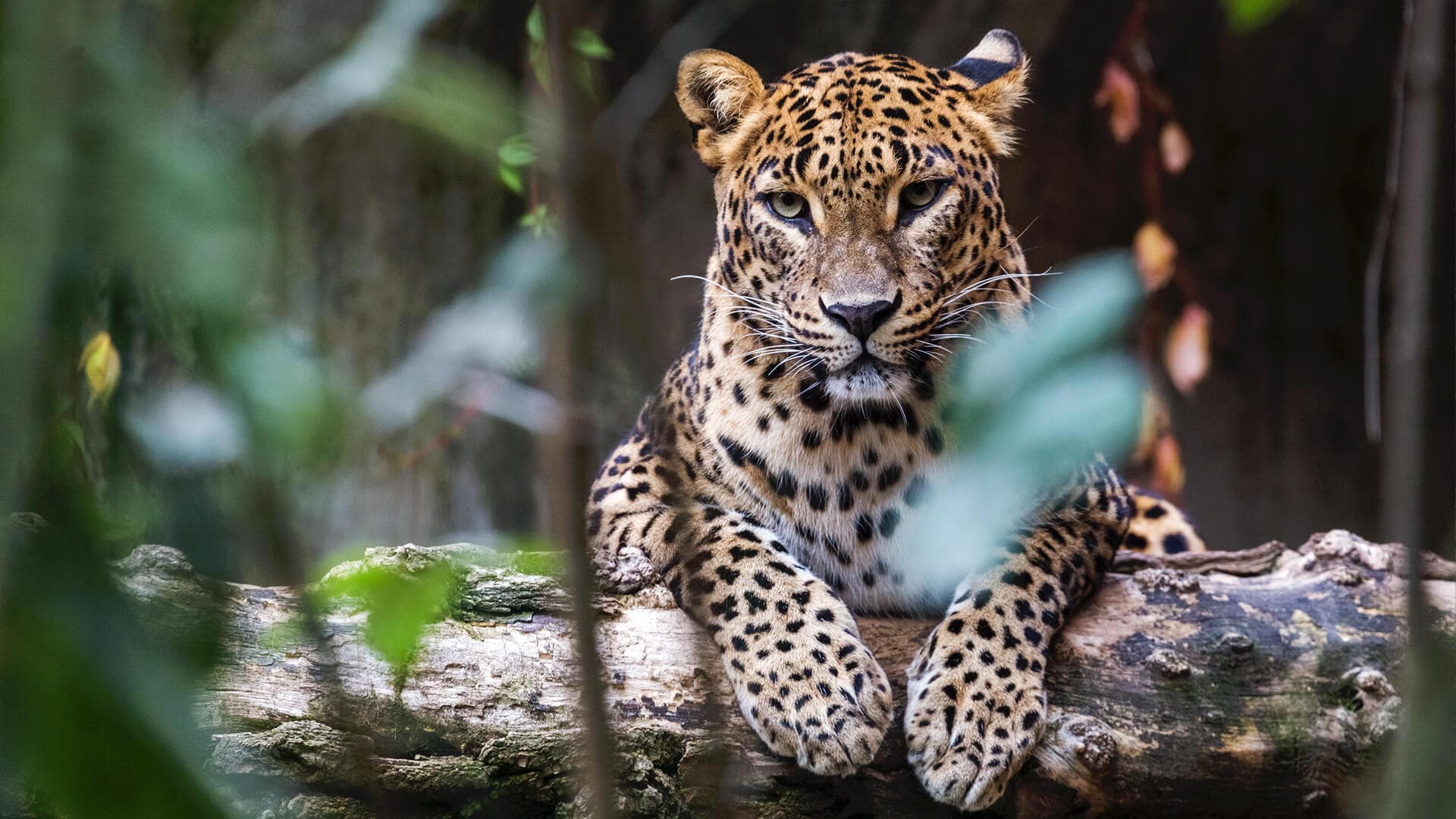
For leopards at Yala, two to three drives give good odds, and a full-day drive increases chances further. At Wilpattu, a full-day drive is usually needed because of the park's size. For whales off Mirissa or Trincomalee, one trip is often enough in season, but a backup day allows for cancellations.
For sloth bears, several drives at Wilpattu or Yala, roughly in June and July, give the best chances.
- →Leopards at Yala: two to three drives.
- →Leopards at Wilpattu: a full-day drive.
- →Whales: one trip plus a backup day.
- →Sloth bears: several drives in June and July.
Pacing a wildlife trip
Pacing a wildlife trip in Sri Lanka means balancing early starts and long drives with rest. Two nights at each main base reduce transfers, and a rest day every four or five days keeps energy up. Midday breaks avoid the heat.
Lankan Stays & Trails builds wildlife trips with two nights at key parks, short transfers and rest built in, matched to the season.
Two nights in one place also mean unpacking once, which matters more than it sounds on a trip of early starts.
Combining wildlife with other interests
Many trips combine wildlife with culture and beaches. A ten-day trip might spend four days on wildlife, three on culture and three on beaches. A two-week trip can include six or seven wildlife days without feeling rushed.
For a trip built entirely around wildlife, two weeks allows depth and variety.
Frequently asked questions
How many days do I need for a wildlife trip to Sri Lanka?
A focused wildlife trip of seven to ten days covers the highlights of one region and season. Two weeks allows a second region, quieter parks and rest days. Three weeks allows a full circuit of the island's wildlife regions.
How many safaris should I do at Yala?
Two to three drives at Yala give good odds of seeing leopards, and a full-day drive increases chances further. Two nights near the park allow this without rushing. One drive is a gamble, especially in busy periods.
Is one night enough at Udawalawe?
Yes, usually. Elephants are seen on almost every drive at Udawalawe, so one night with an afternoon and a morning drive, or a single drive on the way through, is often enough. A second night allows the Elephant Transit Home and a relaxed pace.
How many days should I spend at Sinharaja?
Two nights near Sinharaja allow two dawn walks, which gives good chances of mixed flocks and endemic birds. One night is possible but limits the best birding. Serious birders often stay three nights or more.
How many days for whale watching in Sri Lanka?
One whale-watching trip is often enough in season, but two nights at Mirissa or Trincomalee allow a backup day if trips are cancelled for weather. Trips last four to six hours, so the rest of the day can be spent resting.
Can I see Sri Lanka's wildlife in five days?
Yes, with a focused plan. Five days allows one or two parks and perhaps whale watching, such as Udawalawe, Yala and Mirissa from December to April, or Minneriya and Trincomalee from July to September.
How many nights should I spend at Wilpattu?
Two nights near Wilpattu allow a full-day drive, which is usually needed because of the park's size and dense forest. One night is possible but limits chances of leopards and sloth bears.