
Quick answer
The best places to see wildlife in Sri Lanka are Yala National Park for leopards and sloth bears, Wilpattu for quieter leopard drives, Udawalawe for elephants all year, Minneriya and Kaudulla for the elephant gathering from roughly July to October, Mirissa for blue whales from December to April and Sinharaja for endemic birds. Bundala, Horton Plains, Gal Oya, Kalpitiya, Wasgamuwa and Pigeon Island complete a top twelve that covers every season and both coasts.
Key takeaways
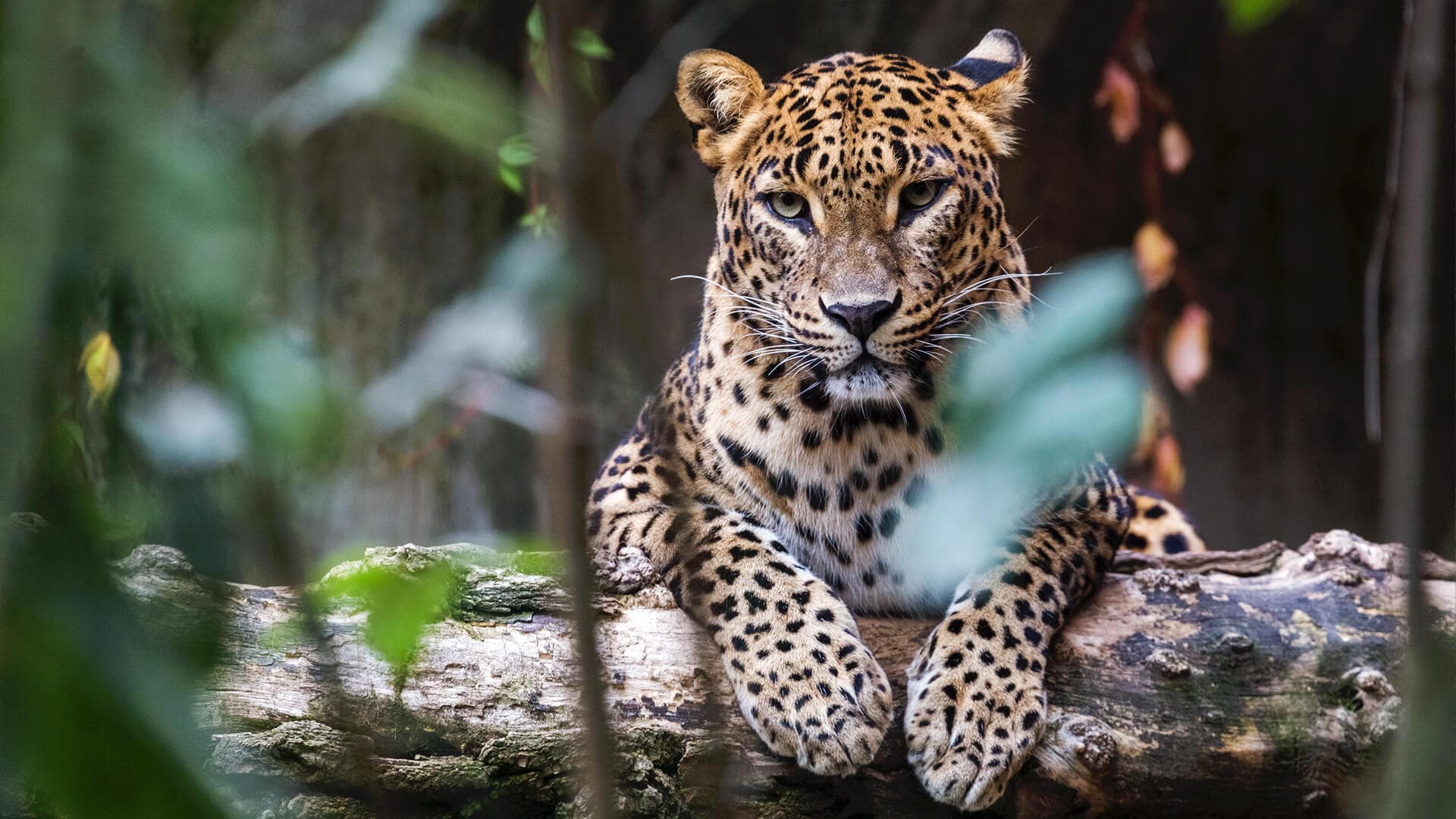
- Yala National Park has one of the highest densities of leopards recorded anywhere, which is why it tops most lists despite the crowds.
- Udawalawe National Park is the most reliable place for wild elephants in any month, with herds often seen within the first hour of a drive.
- The elephant gathering at Minneriya and Kaudulla peaks roughly from July to October, when hundreds of elephants graze the drying tank beds.
- Blue whales are seen off Mirissa roughly from December to April and off Trincomalee roughly from March to August, following the two monsoons.
- Sinharaja Forest Reserve, a UNESCO World Heritage Site, is the best single place for Sri Lanka's endemic birds, most of which live in the wet zone.
The best places to see wildlife in Sri Lanka, ranked
The best places to see wildlife in Sri Lanka are ranked here by how reliably they deliver their headline animal, not by fame. A place earns its position by giving a first-time visitor a good chance of a memorable sighting on a normal two or three drive visit, in the right season.
The top three are national parks in the dry zone, where open scrub, rock outcrops and waterholes make big animals easy to see. The next tier adds seasonal events and specialist habitats: the elephant gathering, the whales, the rainforest and the wetlands. The last tier rewards travellers who want quieter places or a particular animal.
- →Yala National Park: leopards, sloth bears, elephants and crocodiles in one drive; best roughly February to August.
- →Wilpattu National Park: leopards around the villus (natural lakes) with far fewer jeeps; best roughly February to October.
- →Udawalawe National Park: elephants in every month, plus water buffalo and raptors.
- →Minneriya, Kaudulla and Hurulu Eco Park: the elephant gathering, roughly July to October.
- →Mirissa and Trincomalee: blue whales, sperm whales and spinner dolphins on the two coasts.
- →Sinharaja Forest Reserve: endemic birds, mixed feeding flocks and rainforest reptiles.
- →Bundala and Kumana: flamingos, painted storks and winter migrants on the coastal lagoons.
What each place is best for
Sri Lanka's wildlife places specialise. Yala is the place for leopards because Block 1 combines high leopard numbers with open ground and rock outcrops where cats rest in view. Udawalawe is the elephant park: its grassland around the reservoir keeps herds visible all year, and leopards are rarely seen there.
Wilpattu, in the north-west, is larger and more forested, with fewer jeeps and a more patient style of safari. Minneriya is not reliable outside the gathering season, but when it works it is among the great wildlife sights of Asia. Mirissa is the easiest place for blue whales on the south coast, while Trincomalee has a calmer sea in the east-coast season.
Sinharaja and Horton Plains cover the wet zone and the highlands, where most of the island's endemic species live. Neither is a big-mammal place: they are for birds, lizards, frogs and the sambar deer of the high grassland.
- →For leopards: Yala first, Wilpattu second.
- →For elephants: Udawalawe all year, Minneriya and Kaudulla in season, Gal Oya from a boat.
- →For sloth bears: Wilpattu and Yala, best in June and July when palu trees fruit.
- →For whales and dolphins: Mirissa, Trincomalee and Kalpitiya.
- →For birds: Sinharaja for endemics, Bundala and Kumana for waterbirds.
When to go to each place
Sri Lanka's two monsoons mean the best wildlife places rotate through the year. The south-west monsoon, roughly May to September, brings rain to the south-west and the hills, while the north-east monsoon, roughly November to February, wets the north and east. There is always a good wildlife region somewhere on the island.
From December to April the south is at its best: Yala, Bundala, Udawalawe, Sinharaja and the whales off Mirissa. From May to September the north and east take over: Wilpattu, Minneriya, Kaudulla, Gal Oya, Kumana and the whales off Trincomalee. October and November are transition months, when the gathering is ending and the migrant birds arrive.
Yala usually closes for part of September and October each year, and dates are confirmed only a few months ahead, so check before planning a trip around it in those months.
The quieter places worth adding
Sri Lanka's quieter wildlife places are where the island rewards travellers who have already seen Yala or who dislike jeep queues. Wasgamuwa, south-east of Polonnaruwa, holds elephants and sloth bears with very few visitors. Gal Oya, inland from Arugam Bay, offers boat safaris on the Senanayake Samudra reservoir, where elephants sometimes swim between islands.
Maduru Oya, Lahugala and the Mahaweli floodplain parks are rarely visited and good for elephants in the dry season. Wetlands such as Muthurajawela near the airport and Anawilundawa near Chilaw make easy half-days for birds, crocodiles and monitor lizards.
- →Wasgamuwa National Park: elephants, sloth bears and birds with almost no other jeeps.
- →Gal Oya National Park: boat safaris and swimming elephants, best roughly March to July.
- →Lahugala Kitulana National Park: elephants at the tanks near Arugam Bay, roughly August to October.
- →Muthurajawela Marsh: a boat trip for birds and crocodiles about 30 minutes from the airport.
How to choose between them
Choosing between Sri Lanka's wildlife places starts with one question: which animal matters most. Travellers set on leopards should give Yala two drives and add Wilpattu if time allows. Those who mostly want elephants can skip Yala altogether and pair Udawalawe with the gathering or with Gal Oya.
The second question is the month, because it decides which coast and which parks are in season. The third is pace: two parks done well, with dawn drives, beat four parks done in a rush. Most first trips manage two or three of the top twelve.
- →Choose Yala if leopards are the priority and you travel between February and August.
- →Choose Wilpattu if you want leopards with fewer jeeps and accept longer, quieter drives.
- →Choose Udawalawe if elephants matter most or your dates are uncertain.
- →Choose Minneriya or Kaudulla if you travel from July to October and are based near Sigiriya.
- →Choose Sinharaja if birds and rainforest interest you more than big mammals.
Planning a trip around the best wildlife places
Sri Lanka's best wildlife places fall into three natural groups: the Cultural Triangle parks around Sigiriya, the south around Yala and Udawalawe, and the coasts for whales and dolphins. A route through two of these groups is enough for most travellers, and the drive between them is usually four to six hours.
Lankan Stays & Trails builds private, driver-guided trips around these places, choosing the parks by month and booking jeeps with experienced trackers. Whichever you choose, look for operators who keep their distance from animals and never feed or crowd them.
Frequently asked questions
What is the best place to see wildlife in Sri Lanka?
Yala National Park is the best single place for most visitors, because it combines leopards, sloth bears, elephants, crocodiles and a wide range of birds. Udawalawe is better if elephants are the priority, and Wilpattu is better for travellers who want leopards with far fewer jeeps.
Where is the best place to see leopards in Sri Lanka?
Yala National Park, especially Block 1, has the best leopard sightings, with a high density of cats and open ground around rock outcrops. Wilpattu in the north-west is the second choice and has far fewer vehicles. Both are best roughly from February onwards, before the long dry season ends.
Where can I see elephants in the wild in Sri Lanka?
Udawalawe National Park is the most reliable place for wild elephants at any time of year. From roughly July to October, the gathering at Minneriya and Kaudulla brings hundreds together on the tank beds. Gal Oya, Wasgamuwa and Lahugala are quieter alternatives with good elephant numbers in the dry season.
Can you see wildlife in Sri Lanka all year round?
Yes. Because two monsoons affect different coasts at different times, there is always a region in season. The south and Yala are best roughly from December to August, the north and east from May to September, and Udawalawe works in every month. Only some parks close briefly, mainly Yala for part of September and October.
How many wildlife places should I visit in one trip?
Two or three is the right number for a trip of ten days to two weeks. Two drives in one park give far better odds than one drive in each of three parks. A typical pairing is Udawalawe and Yala in the south, or Minneriya and Wilpattu in the dry season.
Is Sri Lanka good for wildlife compared with Africa?
Sri Lanka is excellent for a mixed wildlife trip because leopards, elephants, whales and endemic birds are all within a day's drive of each other. It does not have the great herds of the African savannah, but leopards are easier to see at Yala than in many African parks, and a trip can easily include beaches and culture.
Does Lankan Stays & Trails arrange safaris at these places?
Yes. We arrange private safaris at Yala, Wilpattu, Udawalawe, Minneriya, Wasgamuwa and Gal Oya, along with whale watching and guided rainforest walks, as part of driver-guided trips. Parks are chosen by month and jeep operators are selected for experienced trackers and respectful driving around animals.