
Quick answer
Jaffna is dry from about February to September and wet from about October to December. February and March are the most comfortable months, with highs of about 30 to 32 °C. April to August are hot, about 33 to 35 °C, and windy from June, when the Nallur festival usually takes place. October brings storms, and November and December are the wettest months, with roughly 300 to 400 mm in November. Jaffna receives roughly 1,200 to 1,300 mm a year.
Key takeaways
- Jaffna is dry from about February to September and wet from about October to December.
- February and March are the most comfortable months, with highs of about 30 to 32 °C.
- April to August are hot, with highs of about 33 to 35 °C, and windy from June.
- November is usually the wettest month, with roughly 300 to 400 mm of rain.
- Island ferries are calmest from March to May and in September.
Jaffna's climate in brief
Jaffna lies on a flat peninsula at the northern tip of Sri Lanka, in the dry zone. It receives roughly 1,200 to 1,300 mm of rain a year, more than half of it from October to December, from the second inter-monsoon and the northeast monsoon.
The rest of the year is dry. From June to September, the southwest monsoon arrives as a strong, dry wind that raises dust and makes the lagoons choppy. Temperatures are high for most of the year, with warm nights.
The sea around Jaffna is shallow and warm, roughly 27 to 30 °C. Casuarina Beach and the beaches of the islands are calmest between the two monsoon winds, in March to May and September. The Jaffna lagoon is sheltered for much of the year, apart from the windiest summer weeks.
- →Annual rain: roughly 1,200 to 1,300 mm.
- →Wet: October to December.
- →Windy: June to September.
January to March
January is drying, with roughly 80 to 100 mm of rain from the end of the northeast monsoon and pleasant temperatures of about 29 to 30 °C. February and March are dry and the most comfortable months in Jaffna, with highs of about 30 to 32 °C and relatively cool mornings.
This is a good time for cycling around the peninsula, visiting the temples, the fort and the market, and taking ferries to the islands as the sea settles.
- →January: drying, about 29 to 30 °C.
- →February and March: dry and comfortable.
- →Islands: sea settling.
April to September
From April, the heat builds. April and May are hot and still, with highs of about 33 to 35 °C and occasional storms. From June to September, the southwest monsoon brings a strong, dry wind and very little rain, often less than 30 mm a month from June to August.
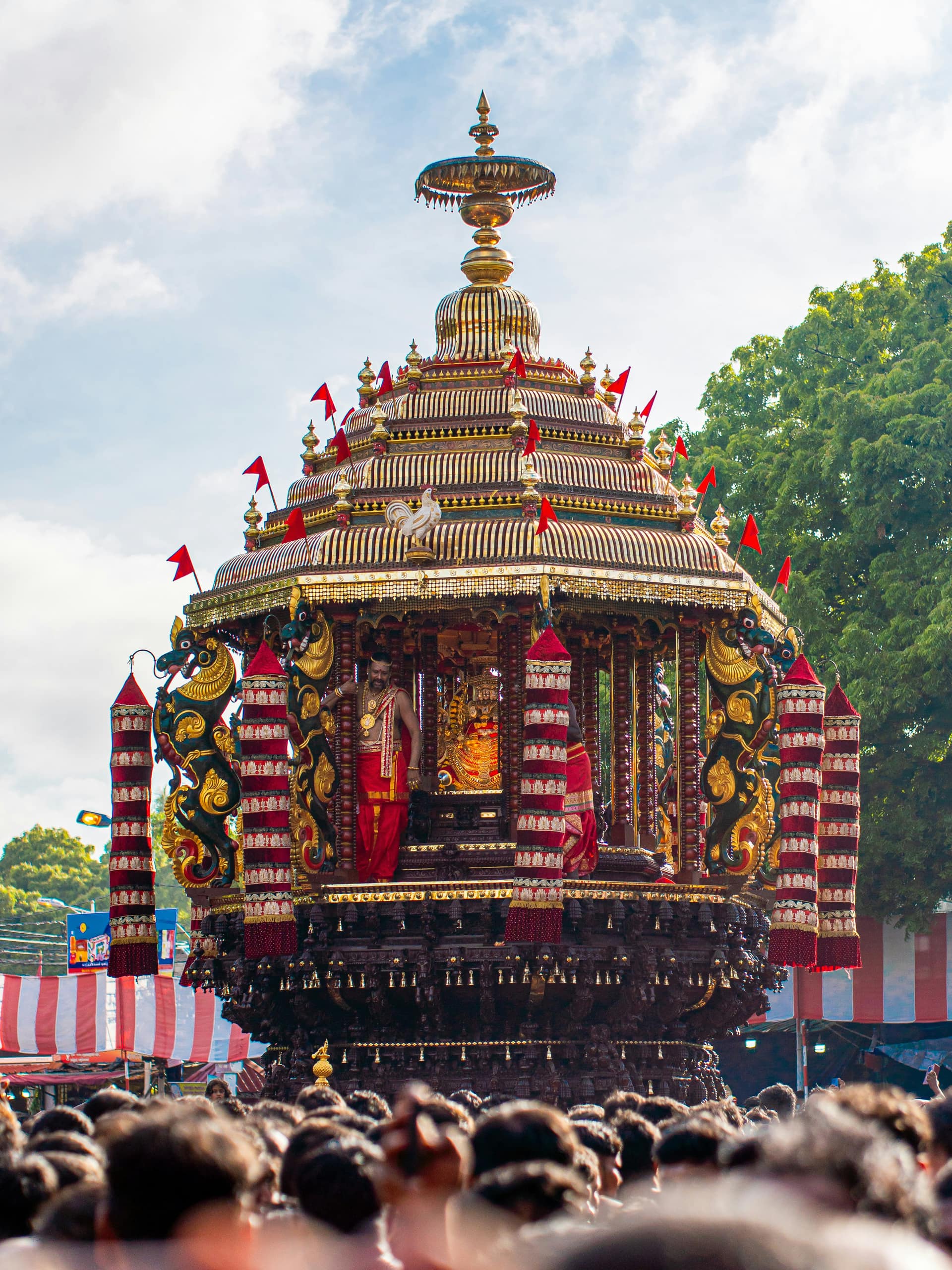
The Nallur Kandaswamy temple festival usually runs for about 25 days in August and September, with processions in hot, dry weather. Evening events are the most comfortable.
The wind makes the lagoons and the crossings to Delft and Nainativu choppier, though ferries usually run.
- →Hottest: April to August.
- →Windiest: June to September.
- →Nallur festival: usually August to September.
October to December
Storms start in October, with roughly 200 to 250 mm. November is usually the wettest month, with roughly 300 to 400 mm, and December follows with roughly 250 to 350 mm. When a depression from the Bay of Bengal passes, rain can last for days and low roads can flood.
Island ferries may stop in rough weather. Temperatures drop to about 28 to 30 °C, and the landscape turns green.
- →October: storms begin.
- →November: wettest.
- →December: wet, easing late.
Planning a Jaffna stay by season
Plan Jaffna for February to September, with February and March the most comfortable and August to September for the Nallur festival. Combine summer trips with the east coast, which is in season at the same time.
Lankan Stays & Trails plans Jaffna trips from February to September, with early starts and evening temple visits in the hot months.
Frequently asked questions
When is the best time to visit Jaffna?
February to September, when Jaffna is dry. February and March are the most comfortable, with highs of about 30 to 32 °C. August and September bring the Nallur festival, in hot and windy weather. October to December is the wet season.
What is the hottest month in Jaffna?
April to August are the hottest months, with highs of about 33 to 35 °C. April and May are hot and still; June to August are equally hot but windier, which makes them easier to bear. Nights stay warm throughout.
When is the rainy season in Jaffna?
Jaffna's rainy season runs from about October to December, with November usually the wettest month at roughly 300 to 400 mm. Most of its roughly 1,200 to 1,300 mm of annual rain falls in this period. January is drying.
What is the weather like during the Nallur festival?
The Nallur festival usually runs for about 25 days in August and September, when Jaffna is dry, hot and windy, with highs of about 33 to 34 °C. Evening processions are the most comfortable. Carry water and dress modestly for the temple.
Can you visit the Jaffna islands in the rainy season?
Ferries to islands such as Nainativu and Delft may stop in rough weather from November to January. They usually run the rest of the year, though the summer wind can make crossings choppy. March to May and September are usually the calmest months.
What is the weather like in Jaffna in January?
January is drying after the wet season, with roughly 80 to 100 mm of rain and pleasant highs of about 29 to 30 °C. Showers become less frequent through the month, and the landscape is green. It is a good month for temples, the fort and the market.
How does Lankan Stays & Trails plan Jaffna trips?
Jaffna trips are planned from February to September, with walks and cycling in the early morning, temple visits in the evening in the hot months and the Nallur festival added when dates allow. Summer trips are often combined with the east coast.
Is Jaffna hotter than Colombo?
In the dry season, usually yes. Jaffna reaches about 33 to 35 °C from April to August, slightly hotter than Colombo, but with lower humidity and a strong summer wind. In December and January, Jaffna is a little cooler, about 28 to 30 °C, and wetter than Colombo.