
Quick answer
Yala National Park, Udawalawe National Park and Wilpattu National Park give Sri Lanka a wildlife draw that no stretch of the Turkish Riviera can match: wild leopard and elephant sightings on a half-day or full-day jeep safari, usually reached within a few hours of a south coast beach base. Turkey's Aegean and Mediterranean resort towns, Antalya, Bodrum and Fethiye among them, offer coastline, ancient ruins and gulet boat trips, but no comparable land-safari wildlife experience. Sightings are never guaranteed and depend on season, patience and the guide.
Key takeaways
- Yala National Park's Block I holds one of the highest recorded densities of wild leopard anywhere, with the drier months, roughly February to July, generally improving the odds of a sighting.
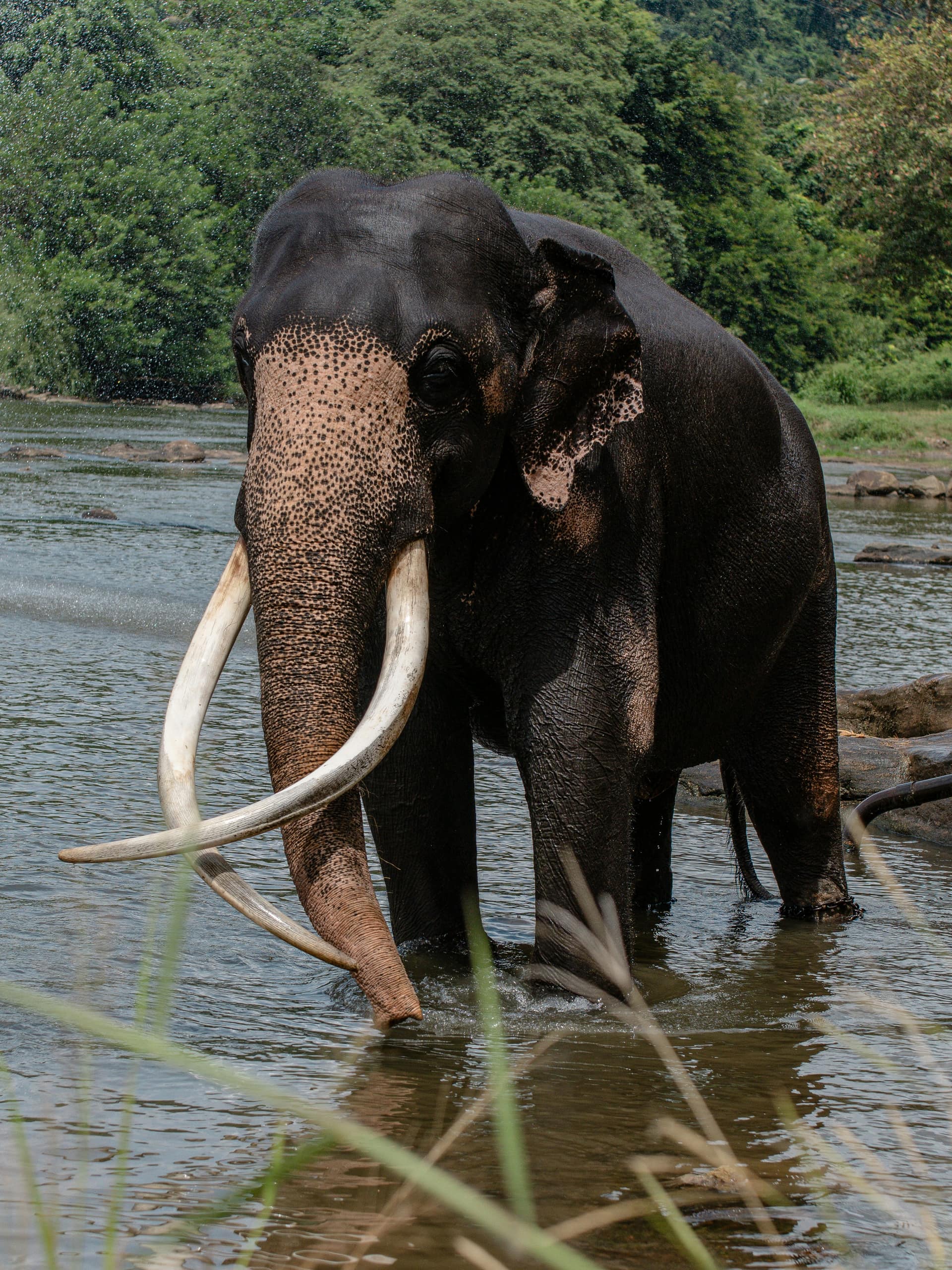
- Udawalawe National Park is known for reliable sightings of wild Asian elephant herds across most of the year, unlike Yala where elephant sightings vary more by season.
- Wilpattu National Park, Sri Lanka's largest protected area, offers a quieter safari with noticeably less jeep traffic than Yala, at the cost of somewhat rarer leopard sightings.
- The Turkish Riviera towns of Antalya, Bodrum, Fethiye and Marmaris have no equivalent land-safari wildlife draw; their nature appeal centres on coastline, turquoise water, ancient ruins and gulet boat trips.
- A half-day or full-day safari at Yala or Udawalawe can be added onto a south coast beach base such as Mirissa or Bentota within roughly two to three hours' drive.
Why the Turkish Riviera has no safari equivalent
The Turkish Riviera, the resort belt running from Antalya and Alanya through Kas, Kalkan, Fethiye, Marmaris and Bodrum, is built around a genuinely different set of attractions: warm, clear Mediterranean and Aegean water, ancient sites such as Ephesus and Troy, and gulet (wooden yacht) day trips along the coastline. These are real strengths and nothing here is meant to diminish them.
What that coastline does not have is a land-safari wildlife tradition. There is no national park along the Turkish Riviera where a visitor can reasonably expect to see a wild big cat or a wild elephant herd from a jeep. Sri Lanka's dry-zone national parks fill exactly that gap, and they sit close enough to the island's own beaches to be added into the same trip rather than requiring a separate journey.
Yala National Park: the best odds for a wild leopard
Yala National Park, on Sri Lanka's southeast coast, is the country's best-known safari destination and holds one of the highest densities of wild leopard recorded anywhere in the world, concentrated in Yala's Block I. The Sri Lankan leopard here has no lion or tiger to compete with, so it behaves more openly than leopards elsewhere, often resting on rocks or crossing tracks in daylight.
Drier months, roughly February to July, tend to concentrate wildlife around shrinking waterholes and generally improve the chances of a sighting, though Yala typically closes for a short annual maintenance period, usually in September, and exact dates should always be confirmed before booking. Sightings are never guaranteed on any single drive.
- →Yala National Park: one of the world's highest recorded densities of wild leopard, in Block I.
- →Best odds roughly February to July, when drier conditions concentrate wildlife at waterholes.
- →A short annual closure, usually around September, should be confirmed before booking a visit.
Udawalawe National Park: reliable wild elephant herds
Udawalawe National Park, roughly two to three hours inland from the south coast, is built around open grassland and a reservoir that draws large herds of wild Asian elephant into clear view for most of the year, making it generally more reliable for elephant sightings than Yala. Travellers who want elephants specifically, rather than a mixed big-game park, often prioritise Udawalawe.
The park also borders the Elephant Transit Home, a rehabilitation centre for orphaned wild elephant calves that are eventually released back into Udawalawe itself, which adds a conservation dimension to a visit beyond the safari drive.
Wilpattu National Park: a quieter, wilder alternative
Wilpattu National Park, on the northwest coast, is Sri Lanka's largest protected area and is built around a distinctive landscape of natural sand-rimmed lakes called villus. It sees considerably less jeep traffic than Yala, so the safari experience feels wilder and less crowded, though leopard sightings are correspondingly rarer.
Wilpattu suits travellers building a north-west or Cultural Triangle route, since it sits within reasonable driving distance of Anuradhapura and Sigiriya, rather than travellers whose trip is anchored on the south coast.
- →Wilpattu National Park: Sri Lanka's largest protected area, known for its villu lake landscape.
- →Noticeably quieter than Yala, with fewer jeeps per sighting, but lower leopard-sighting odds.
- →Sits closer to the Cultural Triangle (Anuradhapura, Sigiriya) than to the south coast.
Combining a safari with a tropical beach base
Sri Lanka's national parks are close enough to its coastline that a safari does not have to replace beach time, it can sit alongside it. Yala is roughly two to three hours from south coast bases such as Mirissa or Tangalle, so a traveller can do an early-morning safari and be back on the sand, or moving on to the next stop, by early afternoon.
This is the shape of trip that a single Turkish Riviera resort stay is not designed to offer: a Bodrum or Fethiye holiday is generally built around one base for the whole week, while a Sri Lanka itinerary more naturally strings together a safari, a cultural stop and several days of coast within one trip.
Doing it responsibly: choosing an ethical safari operator
Not every jeep operator behaves well around wildlife, and a leopard or an elephant herd under pressure from too many vehicles is a poor outcome for the animal and a poor experience for the visitor. Choosing a guide who keeps a sensible distance, turns the engine off during a sighting and never drives off-track matters more than which park is chosen.
We at Lankan Stays & Trails work with driver-guides who prioritise a calm, patient approach over chasing a sighting, and we set expectations honestly: a good safari is about the overall experience of the park, with any leopard or elephant sighting as a bonus rather than a guarantee.
Planning a safari into a Sri Lanka itinerary from Turkey
For a Turkish traveller flying the non-stop Turkish Airlines route from Istanbul to Colombo, roughly nine to ten hours, a safari fits naturally into a wider touring trip rather than standing alone. A common pattern pairs a Yala or Udawalawe safari with a south coast beach stay, or a Wilpattu safari with a Cultural Triangle and coast route.
Because entry fees, jeep hire and guide costs vary by park and season, it is worth getting a specific quote for the exact dates and route rather than assuming a fixed figure, with pricing typically quoted in USD by Sri Lankan operators rather than in Turkish lira.
Frequently asked questions
Is there anywhere on the Turkish coast to do a safari like in Sri Lanka?
No. The Turkish Riviera towns, Antalya, Bodrum, Fethiye and Marmaris among them, have no land-safari wildlife park comparable to Yala or Udawalawe. Their nature appeal is coastline, ancient ruins and gulet boat trips rather than wild big cats or elephant herds.
Can you see leopards and elephants on the same day in Sri Lanka?
Not usually in the same park on the same drive, since Yala is better for leopards and Udawalawe more reliable for elephants. Some itineraries visit both parks on consecutive days, roughly two to three hours apart, rather than combining them into one safari.
How much does a Yala safari cost?
This depends on jeep-sharing arrangements, park entry fees and the season, so it is best confirmed with a specific quote rather than a fixed figure. Sri Lankan operators typically quote safari costs in USD, with Turkish lira only useful as a rough conversion.
Is a Sri Lanka safari worth it if I've already been on an African safari?
Many travellers find it worthwhile for the leopard specifically, since the Sri Lankan leopard is an unusually visible endemic subspecies. The overall scale of animal density is smaller than in Africa's larger reserves, so expectations should be set accordingly.
How far is Yala National Park from the south coast beaches?
Yala National Park is roughly two to three hours' drive from south coast bases such as Mirissa or Tangalle, depending on traffic and exact starting point. Many itineraries pair an early-morning safari with a beach stay either side of it.
Do I need to book a safari in advance?
Booking ahead is recommended, particularly in the drier, busier months at Yala, since jeep and guide availability can be limited at short notice. Confirm the current entry procedure and any seasonal park closure before finalising dates.
Does Lankan Stays & Trails arrange safaris as part of a Sri Lanka trip?
Yes. We build safaris at Yala, Udawalawe or Wilpattu into wider driver-guided itineraries that also include coastal and cultural stops, using operators chosen for responsible wildlife practice rather than the fastest possible sighting.
What is the best time of year for a Sri Lanka safari?
Roughly February to July tends to offer the best odds at Yala, since drier conditions concentrate wildlife at waterholes, while Udawalawe's elephant sightings are more consistent year-round. Always confirm current park conditions and any closure before booking.