
Quick answer
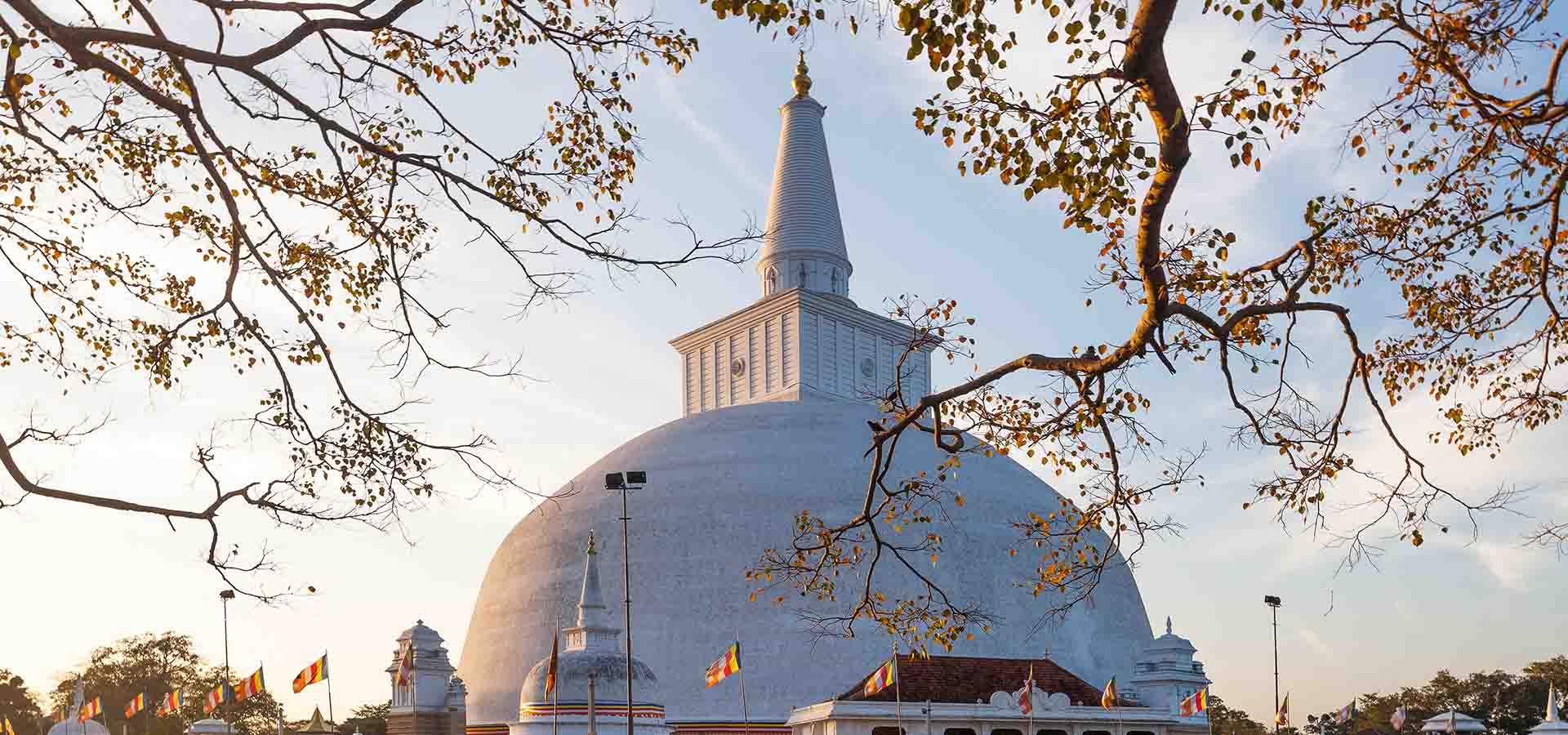
Monastic life continues across the Cultural Triangle, with Theravada Buddhist monks living at temples such as the Sri Maha Bodhi, Ruwanwelisaya and Dambulla, and in forest hermitages in the dry-zone jungle. Monks wear saffron, orange or maroon robes, eat before noon and depend on lay donations called dana. Visitors should greet monks with palms together, sit or stand lower than them, avoid touching them, and women should not hand items directly to a monk. Asking before photographing is courteous.
Key takeaways
- Sri Lankan monks follow Theravada Buddhism, which has been practised on the island since the 3rd century BC.
- Monks traditionally eat their last meal before noon and rely on lay donations of food, called dana.
- Novice monks, called samanera, can be ordained as children and are often seen at Cultural Triangle temples.
- Forest monks follow a stricter meditative discipline and live in hermitages, a tradition visible in ruins such as Ritigala.
- Women should avoid touching monks or handing objects directly to them, placing items on a cloth or table instead.
Monks in the Cultural Triangle today
Monks in the Cultural Triangle today live in temples ranging from the great sacred sites of Anuradhapura to small village viharas beside a tank. They lead ceremonies, chant pirith blessings, teach children and adults, counsel families and look after the shrines.
The monastic tradition here is unbroken since the 3rd century BC, when Mahinda arrived at Mihintale. The ruins of Abhayagiri and Jetavana were once home to thousands of monks, and their successors still walk the same ground.
Visitors will see monks at almost every site, from senior monks at the Sri Maha Bodhi to young novices at Dambulla.
Sri Lanka has several monastic fraternities, called nikayas, which differ in history and some customs. Visitors may notice robes ranging from bright orange to deep maroon or brown, which can reflect the fraternity, the monastery's tradition or simply the dye. Forest monks often wear darker, earthy colours. All follow Theravada Buddhism and the same core discipline.
- →Temple monks: ceremonies, teaching and community roles.
- →Forest monks: meditation in hermitages.
- →Novices: young monks in training.
Daily life of a monk
The daily life of a Cultural Triangle monk follows a rhythm. Mornings begin before dawn with chanting and meditation. Food comes from lay supporters, either brought to the temple or offered on alms rounds. The last meal is taken before noon. Afternoons are for study, teaching and temple duties, and evenings for chanting.
Monks follow a code of discipline called the vinaya, with over 200 rules for fully ordained monks. They do not handle money directly in many traditions, avoid entertainment and keep celibacy.
Monks in the Cultural Triangle also play a part in village life beyond the temple. They bless new houses and harvests, officiate at funerals and run Sunday schools where children learn Buddhist teaching. In farming villages around Habarana and Dambulla, the temple is often the centre of community decisions as well as worship.
- →Pre-dawn chanting and meditation.
- →Dana, the offering of food, in the morning.
- →Last meal before noon.
- →Study, teaching and evening chanting.
Forest monks and hermitages
Forest monks in the Cultural Triangle follow a stricter meditative path, living in simple hermitages in the dry-zone jungle. The tradition is ancient: Ritigala's ruined forest monastery, with its paved paths and double platforms, was home to meditating monks over a thousand years ago.
Several forest hermitages are active today. Visitors should not enter them without invitation, as they are places of silence and practice. Some offer meditation for serious practitioners by prior arrangement.
Lankan Stays & Trails can arrange introductions to meditation teachers for guests who want a deeper experience, always through the proper channels.
How to behave around monks
Behaving well around monks in the Cultural Triangle is straightforward. Greet them with palms together and a slight bow of the head. If a monk is seated, sit lower or stand slightly back. Do not point your feet at a monk or sit on a seat reserved for monks, such as the front seats on buses.
Women should avoid physical contact with monks and should not hand items directly to them. Place the item on a cloth or table, or ask a man to pass it. Ask before photographing, and never offer money directly; use the temple donation box.
- →Greet with palms together.
- →Sit or stand lower than a seated monk.
- →Women: no touching or direct handing of items.
- →Use donation boxes, not cash in hand.
Dana and giving
Dana, the giving of food and requisites to monks, is central to Sri Lankan Buddhism. Families sponsor alms meals at temples in the Cultural Triangle for birthdays, anniversaries and memorials. Giving is seen as making merit.
Visitors who want to give can donate at the temple office or donation box, or ask a guide to arrange contributions such as medicine or school supplies for novices. Avoid giving cash directly to monks in public.
- →Donate through the temple office or box.
- →Practical gifts: medicines, robes, school items.
- →Ask a guide to arrange a contribution.
Frequently asked questions
How do you greet a monk in Sri Lanka?
Place your palms together at chest height and bow your head slightly. Many Sri Lankans say ayubowan to laypeople but simply bow to monks. If a monk is seated, sit lower or stand slightly back as a sign of respect.
Can women talk to monks in Sri Lanka?
Yes. Women can speak with monks freely, but should avoid touching them and should not hand items directly. Place the item on a cloth or table instead. Sit at a respectful distance.
Can I photograph monks in the Cultural Triangle?
Usually, if you ask first. Many monks are relaxed about it. Avoid photographing them during prayer or meditation at close range, never pose with physical contact, and never offer money for a photo.
Why do monks only eat before noon?
It is part of the monastic code, the vinaya, which limits meals to the morning. It supports a simple, disciplined life focused on meditation and study. Monks may take drinks such as tea or juice in the afternoon.
What is dana in Buddhism?
Dana means giving, especially the offering of food and requisites to monks. It is central to Sri Lankan Buddhism and is seen as making merit. Families often sponsor alms meals at temples for special occasions.
Can I visit a monastery in the Cultural Triangle?
You can visit temples freely. Active forest hermitages are places of silence and should not be entered without invitation. Meditation retreats are available by prior arrangement through recognised centres. Ask your guide which places welcome visitors.