
Quick answer
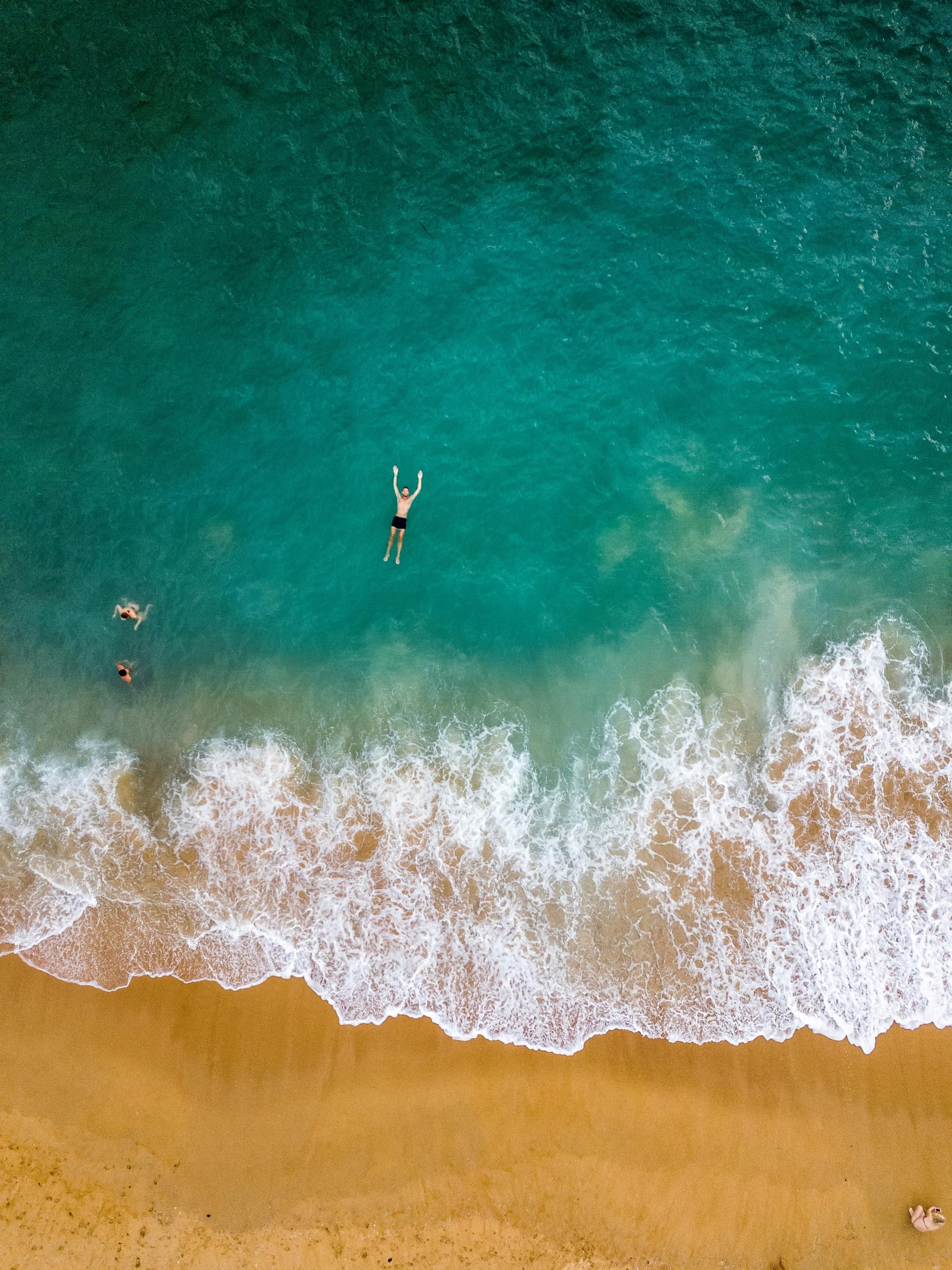
The sea around Sri Lanka is calm on the southwest coast, from Negombo to Tangalle, roughly from December to April, and rough with strong currents roughly from May to September. On the east coast, from Trincomalee to Arugam Bay, it is calm roughly from March or April to September and rough from November to February. October, November and late April are changeable on both coasts. Sheltered bays are calmer than open beaches in every season.
Key takeaways
- The southwest coast is calm roughly from December to April and rough from May to September.
- The east coast is calm roughly from March or April to September and rough from November to February.
- Rough seas come from monsoon wind and swell, so they can occur on sunny days.
- Rip currents are the main danger; they occur on open beaches in every season, but most in the monsoon.
- Sheltered bays and reef-protected beaches are calmer than open stretches on the same coast.
Why the sea changes
The sea around Sri Lanka changes with the monsoon wind. When a monsoon blows onto a coast, it piles up swell, drives currents along the beach and churns up sand, so the water is rough and murky. When the wind blows off the land, the same coast is calm and clear.
The southwest monsoon blows onto the west and south coasts from roughly May to September, and the northeast monsoon onto the east coast from roughly November to February. That is why the two coasts take turns being calm. The inter-monsoon months of March to April and October to November are a mix, with calmer seas in March and April.
Because the swell comes from wind over the open ocean, a coast can be rough on a cloudless day, and calm during a shower. The sea is a separate forecast from the rain.
The southwest coast: Negombo to Tangalle
The southwest coast is calm from roughly December to April. The sea at Unawatuna, Mirissa, Hikkaduwa, Bentota, Tangalle and Hiriketiya is usually flat or gently rolling, the water is clear, and whale-watching boats run from Mirissa. Late April can bring the first swell.
From roughly May to September, the southwest monsoon brings heavy swell, strong currents and red flags. Open beaches such as Bentota, Induruwa, Koggala and much of Tangalle are dangerous. Sheltered bays, including parts of Unawatuna and Hiriketiya, can still have calmer days. The sea starts to settle in October and November.
- →Calm: roughly December to April.
- →Rough: roughly May to September.
- →Changeable: October and November.
The east coast: Trincomalee to Arugam Bay
The east coast is calm from roughly March or April to September. Nilaveli, Uppuveli, Marble Beach, Pasikudah and Kalkudah are at their best, with flat, clear water in the mornings and good snorkelling at Pigeon Island. Arugam Bay has surf, but its inside bays are calmer.
From roughly November to February, the northeast monsoon brings swell and murky water to the whole east coast. Many beach hotels close or reduce services, and boat trips are often cancelled. The north coast around Jaffna follows a similar pattern, with calmer lagoons than open sea.
- →Calm: roughly March or April to September.
- →Rough: roughly November to February.
- →Changeable: October.
Reading the sea on the day
Rip currents are the main danger on Sri Lanka's beaches, and they occur on open beaches in every season, though most in the monsoon. They look like calmer, darker channels between breaking waves, often carrying foam or sand out to sea. If caught, swim parallel to the beach until out of the current, then swim back in.
Red flags mean no swimming. Many popular beaches have lifeguard towers in season, run by Sri Lanka Life Saving and local councils, but many do not. Ask at the hotel, watch where locals swim, and avoid swimming alone, after drinking or near river mouths.
- →Red flag: no swimming.
- →Dark, calm channels between waves: likely rip current.
- →Swim near lifeguards, never alone.
Sheltered spots
Some beaches are calmer than their coast. On the southwest, Unawatuna's bay, Jungle Beach near Galle, parts of Mirissa and Hiriketiya are partly sheltered by headlands or reefs. Hikkaduwa's coral sanctuary is calm in season. On the east, Pasikudah's shallow bay is protected by a reef and is one of the calmest swimming beaches on the island in season.
Sheltered does not mean safe in every condition. In strong monsoon swell, even protected bays can have currents. Lankan Stays & Trails chooses beach stays on the calm coast for the dates of each trip and gives guests local advice on where to swim.
Frequently asked questions
When is the sea calm in Sri Lanka?
On the southwest coast, from Negombo to Tangalle, the sea is usually calm from December to April. On the east coast, from Trincomalee to Arugam Bay, it is usually calm from March or April to September. October and November are changeable on both coasts.
Is the sea safe to swim in Sri Lanka?
It can be, on the calm coast for the season and on beaches without red flags. Rip currents are the main danger, especially in the monsoon. Swim near lifeguards where possible, never alone, and ask hotel staff or locals about the beach that day.
Why is the sea rough in Sri Lanka in June?
In June the southwest monsoon blows from the Indian Ocean onto the west and south coasts, piling up swell and driving strong currents. The sea there is rough even on sunny days. The east coast, where the same wind blows off the land, is calm at that time.
What do red flags mean on Sri Lankan beaches?
A red flag means the sea is too dangerous for swimming, usually because of strong currents or heavy swell. Red flags are common on the southwest coast from May to September and on the east coast from November to February. Follow them, even if others are in the water.
Which beaches in Sri Lanka are most sheltered?
Unawatuna's bay, Jungle Beach near Galle, parts of Mirissa, Hiriketiya and Hikkaduwa's coral sanctuary are among the more sheltered on the southwest coast. On the east, Pasikudah's reef-protected bay is one of the calmest. In strong monsoon swell, even these can have currents.
Is the sea calm in Sri Lanka in October?
It is changeable. On the southwest coast the monsoon swell fades through October, but storms can stir the sea for a day or two. On the east coast the sea is often fine early in October and rougher later as the northeast monsoon approaches.
How does Lankan Stays & Trails choose beaches by season?
Beach stays are placed on the coast that is calm for the dates of each trip: the southwest from about December to April and the east from about April to September. Guests get local advice on which bays are safe to swim on each day.