
Quick answer
February is one of the best months for stargazing in Sri Lanka. Dry weather brings clear skies over the Cultural Triangle, the dry-zone parks, the hill country and the south coast. The best sites are away from towns: safari camps near Wilpattu and Yala, the Sigiriya area, Horton Plains and the hills, and quiet beaches like Tangalle. Near the equator, both northern and southern constellations are visible, including Orion and the Southern Cross. Plan around the moon, as the full moon washes out fainter stars.
Key takeaways
- February's dry weather brings clear skies over most of the island.
- Near the equator, stars from both hemispheres are visible.
- Safari camps, the Sigiriya area and the hills are good dark sites.
- Orion and the Southern Cross can both be seen.
- Plan around the moon, as the full moon washes out fainter stars.
Why February is good for stargazing
February is dry across most of Sri Lanka, with clear skies and low humidity by local standards. Clouds and haze, which block the stars for much of the year, are less common.
Sri Lanka's position, about 6 to 10 degrees north of the equator, means that constellations from both hemispheres rise during the year. In February, Orion is high in the evening, and the Southern Cross rises later in the night.
Light pollution is low away from Colombo and the larger towns, so even short drives can reach dark skies.
Ancient Sri Lankans watched the sky closely. Astrology still shapes many decisions, from wedding dates to the auspicious time for the Sinhala and Tamil New Year in April, and temple rituals follow the lunar calendar. Stargazing connects visitors with a tradition that runs deep.
- →Clear, dry skies.
- →Stars from both hemispheres.
- →Low light pollution in rural areas.
The best places to stargaze
Safari camps near Wilpattu and Yala, often in remote locations, have dark skies and open views. Some offer open decks or guided stargazing.
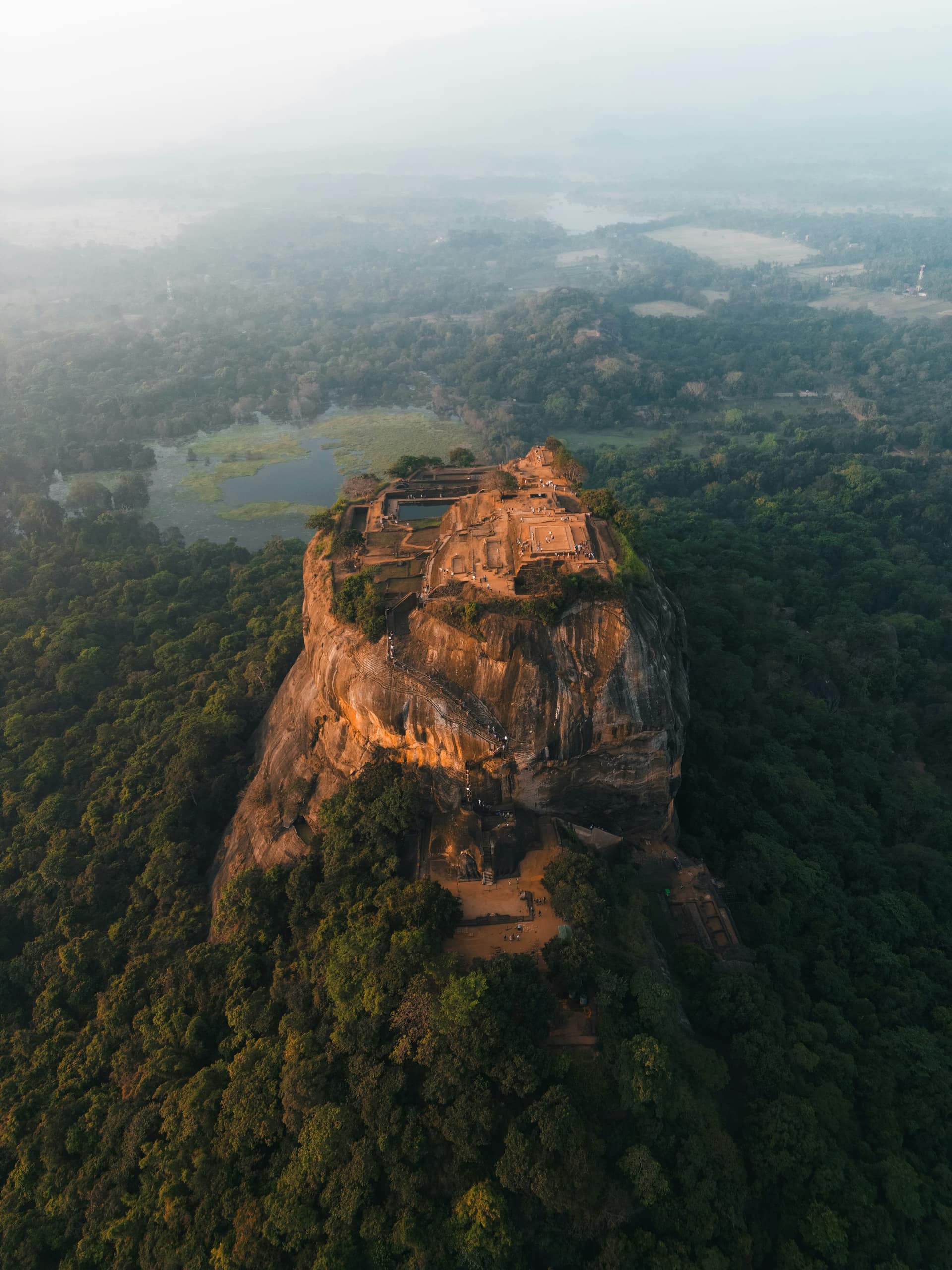
The Sigiriya and Habarana area, in the dry zone, has clear skies and little light pollution. Many hotels have open spaces for stargazing.
The hill country, at higher altitude, has crisp, clear nights, especially around Horton Plains and remote tea estates. Quiet beaches on the south coast, such as Tangalle, offer star-filled skies over the sea.
Kalpitiya and the north-west coast are also dark and dry, and their flat landscape gives wide horizons. Jaffna's islands offer some of the darkest skies in the country, far from any large town.
- →Wilpattu and Yala camps.
- →Sigiriya and Habarana.
- →Horton Plains and tea estates.
- →Tangalle and quiet beaches.
What you can see
In February evenings, Orion, Taurus, Gemini and the bright star Sirius are high in the sky. Canopus, the second-brightest star, is also visible from Sri Lanka.
Later in the night, the Southern Cross and Alpha and Beta Centauri rise in the south. The Milky Way is visible on moonless nights, though its brightest core is better later in the year.
Planets visible depend on the year. A stargazing app helps identify what is in the sky.
Shooting stars can be seen on most clear nights, and satellites cross the sky regularly in the hours after sunset. Lying back on a beach or a lawn and simply watching is often the most memorable part of a stargazing night.
- →Orion and Sirius.
- →Canopus.
- →Southern Cross later at night.
Planning around the moon
The full moon brightens the sky and washes out fainter stars. The best stargazing is in the week either side of the new moon.
The Navam full moon poya falls in February, so stargazing is weakest around that date. Check a moon calendar before planning.
The moon itself is a beautiful sight over the sea or the hills, so a full moon night has its own rewards.
Tips for stargazing
Get away from lights, let your eyes adjust for about 20 minutes and avoid looking at phone screens. Use a red light if you need a torch.
Binoculars reveal more stars and the moon's details. A stargazing app helps identify constellations.
Bring a warm layer in the hills and insect repellent in the lowlands. The planners at Lankan Stays & Trails can suggest hotels with dark skies and open spaces on February routes.
- →Let your eyes adjust.
- →Use a red light.
- →Bring binoculars and an app.
Frequently asked questions
Is February good for stargazing in Sri Lanka?
Yes, one of the best months. Dry weather brings clear skies over the Cultural Triangle, the dry-zone parks, the hill country and the south coast. Away from towns, the stars are bright and plentiful. Plan around the full moon for the darkest skies.
Where is the best place to stargaze in Sri Lanka?
Away from towns: safari camps near Wilpattu and Yala, the Sigiriya and Habarana area, Horton Plains and remote tea estates, and quiet south coast beaches like Tangalle. Many hotels in these areas have open spaces for stargazing.
Can I see the Southern Cross from Sri Lanka?
Yes. Sri Lanka is close to the equator, so the Southern Cross is visible. In February it rises later in the night in the southern sky. Alpha and Beta Centauri, the pointers, rise nearby.
Can I see the Milky Way in Sri Lanka in February?
On moonless nights away from lights, yes, though its brightest core is better seen later in the year. February skies are clear, so the Milky Way is visible as a faint band across the sky in dark locations.
When is the best time of the month for stargazing?
In the week either side of the new moon, when the sky is darkest. The full moon washes out fainter stars. The Navam full moon falls in February, so stargazing is weakest around that date.
Do I need a telescope for stargazing?
No. The naked eye shows many stars and constellations in dark locations, and binoculars reveal more. A stargazing app helps identify what you see. Telescopes add detail but are not necessary for an enjoyable night.
Do any hotels offer stargazing in Sri Lanka?
Some safari camps and remote hotels offer stargazing on open decks or guided sessions with telescopes, especially around Wilpattu, Yala and Sigiriya. Ask when booking. Even without a formal programme, many rural hotels have dark gardens ideal for watching the sky.