
Quick answer
Trincomalee on a honeymoon suits four or five nights between May and September, when the east coast is dry and its sea is calm. Stay at Uppuveli, about six kilometres north of the town, for a lively beach with restaurants, or at Nilaveli, about 15 kilometres north, for space and quiet. Snorkel at Pigeon Island National Park, take a morning boat to look for whales and dolphins, and watch sunset from Koneswaram Temple on Swami Rock. Sigiriya is roughly two hours away.
Key takeaways
- Trincomalee's beach season runs from roughly May to September, the opposite of the south coast.
- Uppuveli is about six kilometres north of the town and Nilaveli about 15 kilometres.
- Pigeon Island National Park lies about a kilometre off Nilaveli, 10 to 15 minutes by boat.
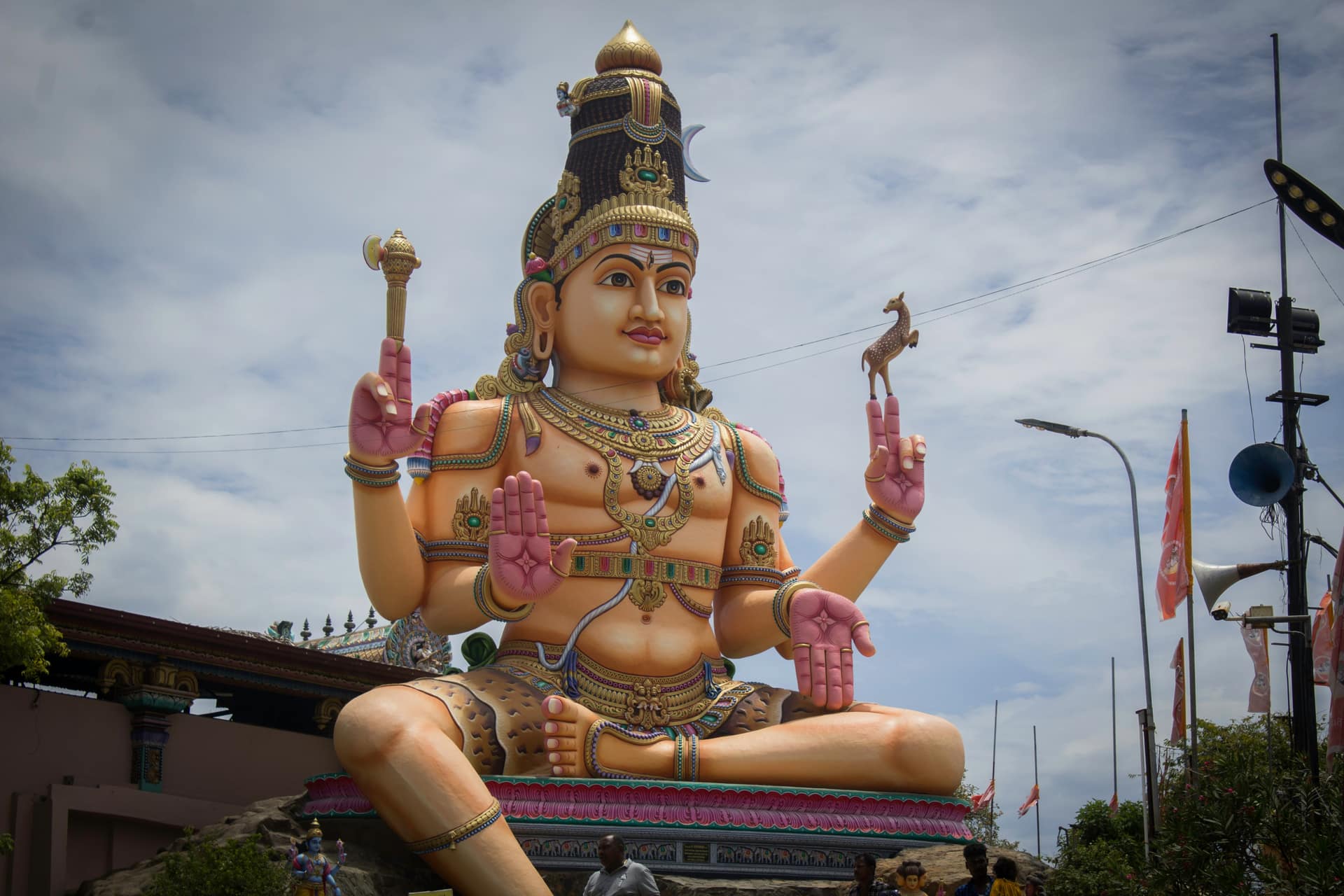
- Koneswaram Temple stands on Swami Rock inside Fort Frederick, a headland with sheer cliffs above the sea.
- Trincomalee is roughly two hours from Sigiriya and five to six hours from the airport.
Why Trincomalee suits a summer honeymoon
Trincomalee suits a summer honeymoon because it offers a beach with something beside it. The sea is warm and flat, the sand is pale and long, and within a short drive there are temples, a colonial fort, hot springs and a marine national park.
The area is less developed than the south coast. Hotels are spaced out, cattle sometimes stroll the beach and the nightlife amounts to a few bars at Uppuveli. For couples who find Mirissa too busy, that is the appeal.
- →Calm sea when the south coast is rough.
- →Activities on the water every morning.
- →A distinct Tamil culture and cuisine.
Nilaveli or Uppuveli
Nilaveli is the quieter of the two beaches. It runs for several kilometres with only a scattering of hotels, and Pigeon Island floats just offshore. The sand is wide, the water shallow for some distance, and by late afternoon you may have it to yourselves.
Uppuveli is closer to town and more sociable. Guesthouses, dive shops and beach restaurants line its southern end, and tuk-tuks into Trincomalee take ten to fifteen minutes. Honeymooners who want dinner choices should stay here. Those who want silence should choose Nilaveli.
- →Nilaveli: space, privacy, nearest to Pigeon Island.
- →Uppuveli: restaurants, a little evening life, nearest to town.
- →Marble Beach: a sheltered cove south of the harbour, good for a day trip.
Pigeon Island, whales and dolphins
Pigeon Island National Park is one of only a few marine national parks in Sri Lanka. Boats from Nilaveli land on a small beach, and snorkellers swim over coral gardens with parrotfish, turtles and, often, young blacktip reef sharks. Visitor numbers are controlled, and mornings before ten have the clearest water.
Whale and dolphin trips leave at about six. Blue whales and sperm whales pass the deep canyon off Trincomalee between roughly May and September, and pods of spinner dolphins are frequently seen. Nothing is guaranteed. Choose an operator who keeps a proper distance from the animals.
- →Pigeon Island: go before ten for clear water.
- →Whale and dolphin boats: leave at about six.
- →Diving: several centres operate from Nilaveli and Uppuveli in season.
The town, the temple and the fort
Trincomalee town deserves a late afternoon. Enter Fort Frederick through its gate, dated 1675, pass the spotted deer grazing under banyan trees and climb to Koneswaram Temple, a Hindu shrine to Shiva rebuilt on the site of one destroyed by the Portuguese in 1624.
Behind the temple, Swami Rock drops straight into the sea. One ledge is known as Lover's Leap, after a legend of a Dutch official's daughter who is said to have jumped as her lover sailed away. The story ends unhappily, though the view at sunset does not.
Nights, hotels and getting there
Four or five nights at Trincomalee suit a honeymoon, given the distance travelled to reach it. Good hotels are fewer than in the south, with a handful of resorts and boutique properties at each beach, so reserve three to four months ahead for July and August.
The drive from Sigiriya takes about two hours and from the airport five to six. Lankan Stays & Trails generally places Trincomalee last on a summer route and books an evening flight home, or a final night in Negombo, to keep the last day gentle.
Frequently asked questions
Is Trincomalee good for a honeymoon?
Trincomalee is very good for a honeymoon between May and September. Nilaveli and Uppuveli have calm sea and long beaches, and there is snorkelling, whale watching and a clifftop temple nearby. It is quieter and less polished than the south coast.
Is Nilaveli or Uppuveli better for couples?
Nilaveli is better for couples who want a quiet, spacious beach and plan to eat at their hotel. Uppuveli is better for those who like a choice of restaurants and a short ride into town. The two are about ten kilometres apart.
When is the best time to visit Trincomalee?
May to September is the best time to visit Trincomalee, with dry weather and a calm sea. April and October are transitional. From November to February the north-east monsoon brings heavy rain and rough water, and many beach hotels close or reduce services.
Can we snorkel at Pigeon Island on our honeymoon?
Yes. Boats leave from Nilaveli beach and take 10 to 15 minutes. You pay a national park fee, and guides lead you over the reef. Do not stand on or touch the coral. Go early, as the island becomes busy by mid-morning.
How do we get from Trincomalee to the airport?
The drive from Trincomalee to Bandaranaike International Airport takes roughly five to six hours. Leave by midday for an evening flight, or break the journey with a night in Negombo. Domestic flights run on some routes in season; confirm current schedules.
Is there whale watching in Trincomalee?
Whale watching from Trincomalee runs from roughly May to September, with blue whales, sperm whales and spinner dolphins the main species. Boats leave around six in the morning. There are fewer boats than at Mirissa, and sightings are likely but never certain.