
Quick answer
Pack light, breathable clothes in cotton or linen for the coast and Cultural Triangle, plus a warm fleece or light down jacket, long trousers and closed shoes for the hill country, where February nights can fall below 10°C. Add shoulder and knee coverings for temples, neutral colours for safari, high-factor sunscreen, a sun hat and sunglasses. A light rain shell is useful but rarely needed on the main route. Bring sandals that slip off easily, as shoes come off at every temple.
Key takeaways
- Light cotton and linen for the coast and Cultural Triangle, where days reach 30 to 33°C.
- A fleece or light down jacket for Nuwara Eliya, Haputale and dawn at Horton Plains.
- Clothes covering shoulders and knees for temples, and slip-on sandals.
- Neutral colours for safari and a scarf or buff for dust.
- Strong sun protection: the midday UV index is often 11 or more.
The climate you are packing for
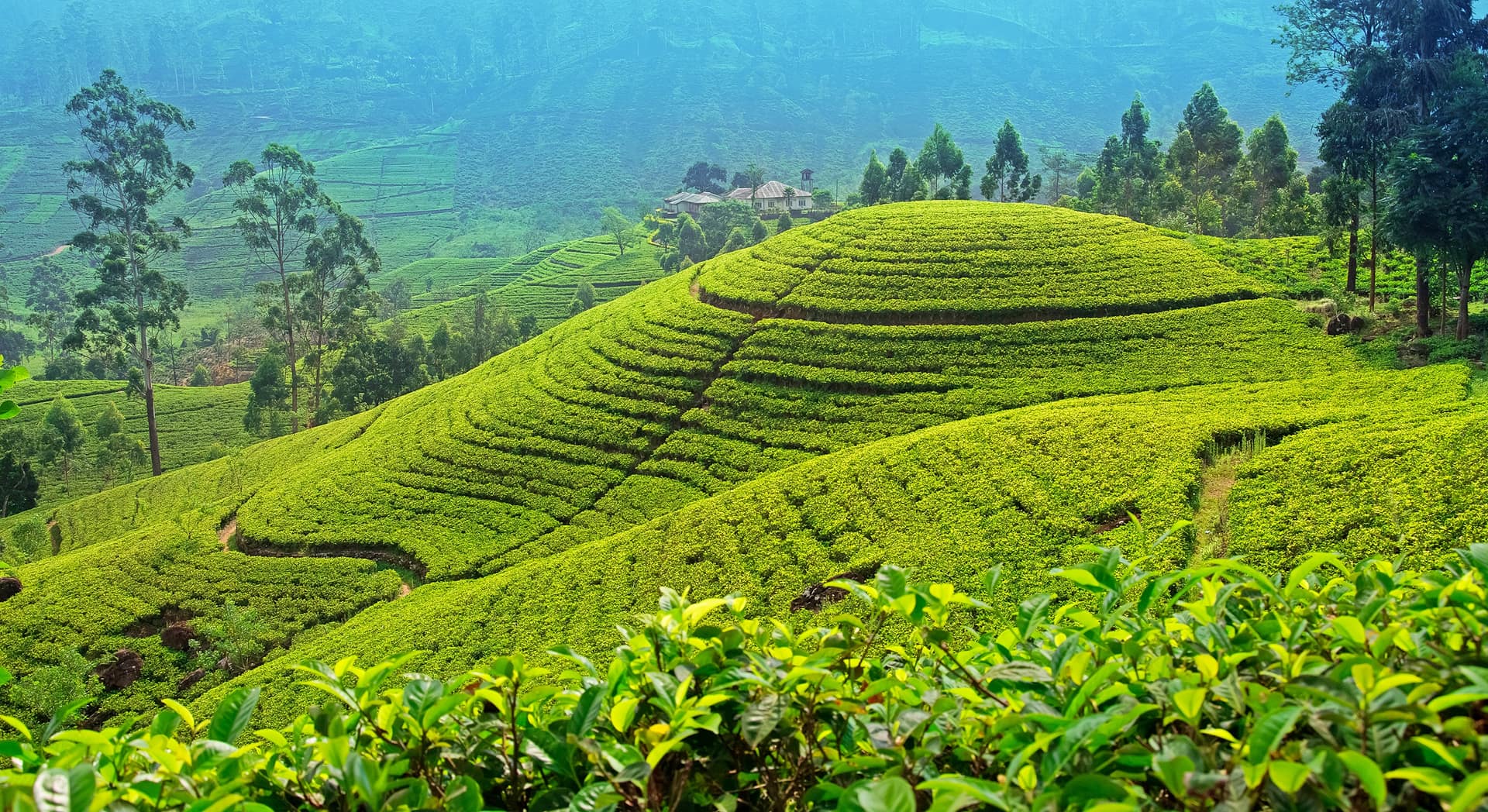
February brings three climates to one trip. The coast is hot and sunny, with days around 30 to 31°C and warm nights. The Cultural Triangle is hotter and drier, often 32°C by early afternoon. The hill country is mild by day and cold at night, especially in Nuwara Eliya, Haputale and on Horton Plains.
Rain is unlikely on the classic route, but not impossible. A short shower in the hills or the occasional storm in the east is the most you are likely to see. Humidity is lower than at other times of year on the south and west coasts, which makes the heat easier.
The sun is the biggest factor. Even in February the UV index around midday is extreme, so protection matters more than warmth for most of the trip.
- →Coast: 30 to 31°C days, warm nights.
- →Cultural Triangle: hot and dry, very hot by afternoon.
- →Hill country: mild days, cold nights and dawns.
Clothes for every region
For the coast and the dry zone, pack loose, breathable clothes: cotton or linen shirts, light trousers, shorts, skirts or dresses, and swimwear. Three or four tops and two pairs of trousers or skirts are enough for two weeks if you use hotel laundry.
For the hill country, add a fleece or light down jacket, a long-sleeved top and long trousers. Early starts for Horton Plains, Adam's Peak or Little Adam's Peak are cold, and a hat and light gloves are worth bringing if you plan a pre-dawn climb.
For evenings, smart casual is fine everywhere. Some upscale hotels prefer long trousers in the restaurant at dinner, so men may want one pair of smart trousers and a collared shirt.
- →3 to 4 breathable tops and 2 lower layers.
- →1 warm fleece or light down jacket.
- →1 long-sleeved top and long trousers for the hills.
- →Swimwear and a sarong or cover-up.
- →Smart casual outfit for dinner.
Temple and site etiquette
Temples, including the Temple of the Tooth, Dambulla cave temples and the sacred sites at Anuradhapura and Polonnaruwa, require shoulders and knees to be covered. A sarong or light scarf carried in a day bag solves this quickly. White or light colours are traditional for visiting temples, especially on poya days.
Shoes and hats come off at the entrance to temple grounds, and in sacred sites such as Polonnaruwa you walk barefoot on stone that gets very hot by late morning. Thin socks are allowed in some places and save your feet.
Slip-on sandals make the dozens of shoes-off moments much easier. Avoid clothing with Buddha images, which is considered disrespectful and can cause problems.
- →Cover shoulders and knees.
- →Carry a sarong or scarf.
- →Bring slip-on sandals and thin socks for hot stone.
- →No clothing with Buddha images.
Safari, hikes and the sea
On safari, choose neutral colours like khaki, olive and beige. A light scarf or buff helps in the dust of an open jeep, and a light layer is welcome on early morning drives at Yala, Wilpattu or Udawalawe. Binoculars make a large difference to the experience.
For hikes, trainers with good grip are enough for Little Adam's Peak, Ella Rock and Horton Plains. Adam's Peak is a long staircase climb, so comfortable shoes and a warm layer for the summit matter more than technical gear.
For the sea, a reef-safe sunscreen, rash vest and water shoes help with snorkelling and rocky entries. A dry bag is useful on whale watching boats and river trips.
Small extras worth packing
Bring high-factor sunscreen, a wide-brimmed hat, sunglasses and insect repellent. A refillable water bottle and filter or purification tablets reduce plastic use. Pack a basic first aid kit with rehydration salts and plasters.
A universal adapter covers Sri Lanka's mix of plug types. A small torch helps on pre-dawn climbs. A light day bag carries water, a sarong and sunscreen between stops.
Many travellers who book with Lankan Stays & Trails say the one item they wished they had packed was a warmer layer for the hill country, so do not leave it out to save space.
Frequently asked questions
Do I need a jacket in Sri Lanka in February?
Yes, for the hill country. Nuwara Eliya, Haputale and Horton Plains can drop below 10°C at night and at dawn in February. A fleece or light down jacket is enough. You will not need it on the coast or in the Cultural Triangle, where days are hot.
What should I wear to temples in Sri Lanka?
Cover your shoulders and knees, and remove shoes and hats before entering temple grounds. Light or white clothing is traditional. Carry a sarong or scarf to cover up quickly. Avoid clothing or tattoos showing the Buddha, which are considered disrespectful in Sri Lanka.
Do I need a raincoat in February?
Probably not on the main route. February is usually dry on the south and west coasts, in the hills and the Cultural Triangle. A light, packable rain shell is still useful for the occasional hill country shower or for travel in the east and north.
What colours should I wear on safari?
Neutral colours such as khaki, olive, beige and brown. Avoid bright colours and white, which stand out. A light scarf or buff helps with dust in an open jeep, and a warm layer is welcome on early morning drives before the sun heats up.
What shoes do I need for Sri Lanka in February?
Slip-on sandals for temples and the beach, and trainers with good grip for hikes like Little Adam's Peak, Ella Rock and Horton Plains. Heavy hiking boots are rarely needed. Thin socks help on hot temple stone, where shoes are not allowed.
Is it cold anywhere in Sri Lanka in February?
Yes. Nuwara Eliya, Haputale and Horton Plains are cool by day and cold at night, sometimes with ground frost at dawn on the plains. Adam's Peak summit at sunrise is also cold and windy. Bring a warm layer, hat and light gloves for pre-dawn climbs.