
Quick answer
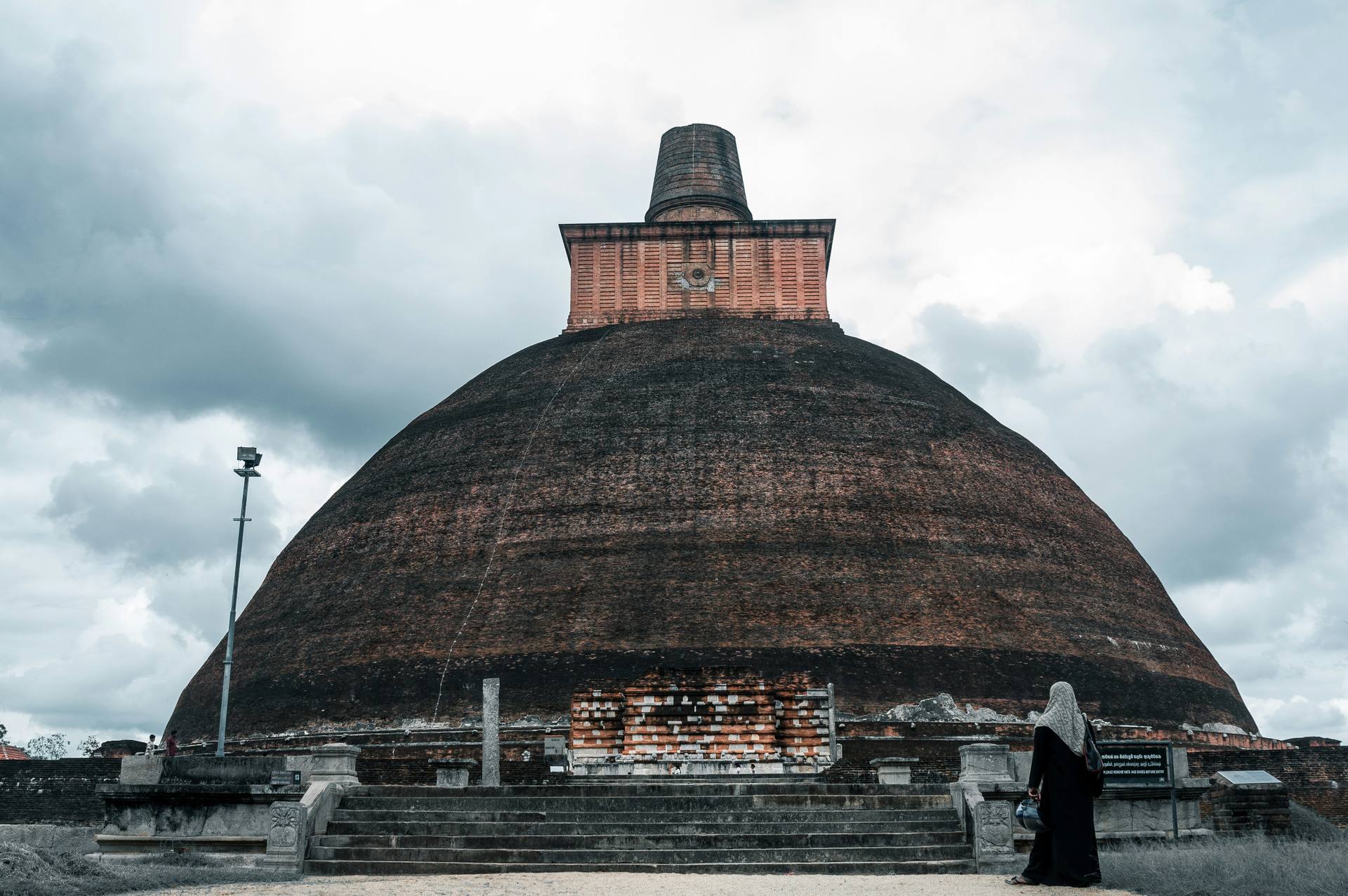
On Duruthu poya in January, visitors should wear modest clothing that covers shoulders and knees, ideally in white or plain light colours, which worshippers traditionally wear. Shoes and hats come off at temples, and socks are fine on hot stone. Avoid beachwear, bright party clothes and anything with religious prints. Expect alcohol sales to stop and many shops to close for the day.
Key takeaways
- Duruthu poya is the January full moon and a public holiday.
- Worshippers wear white; plain light colours are respectful for visitors.
- Shoulders and knees covered, shoes and hats off at temples.
- Alcohol is not sold and many shops close on poya days.
- The Duruthu Perahera at Kelaniya draws big crowds around the full moon.
What a poya day is
Poya days fall on each full moon, so there are twelve or thirteen a year, and each one is a public holiday. Buddhists visit temples, offer flowers and lamps, listen to sermons and some observe eight precepts, staying at the temple for the day.
Duruthu poya in January commemorates the Buddha's first visit to Sri Lanka, traditionally said to have been to Mahiyangana. Its date moves with the lunar calendar each year, so check the poya calendar for your travel dates.
The day feels calm rather than festive in most towns. Shops close, roads are quieter in the morning and temples are busy from dawn until late in the evening, when lamps are lit.
- →Every full moon is a public holiday.
- →Duruthu recalls the Buddha's first visit.
- →The date moves with the lunar calendar.
Why white matters
White symbolises purity and is the traditional colour for observing precepts and visiting temples on poya. Families, from grandparents to children, often wear white cotton clothing on the day.
Visitors are not expected to wear white, but doing so is a kind gesture that many Sri Lankans notice and appreciate. Plain pale colours such as cream, light grey or pastel shades are equally respectful.
Avoid black if you can, as it is associated with mourning in some contexts, and avoid loud prints, slogans or clothing with Buddha or deity images.
- →White or plain pale colours are ideal.
- →Avoid loud prints and slogans.
- →Never wear religious images.
A simple poya-day outfit
For women, a white or pale maxi skirt or loose trousers with a top that covers the shoulders works well. A light scarf adds cover and comfort. Leggings alone are too tight; wear them under a long tunic.
For men, long light trousers and a plain shirt with sleeves are ideal. A white sarong and shirt, the traditional poya outfit for Sri Lankan men, is a practical and inexpensive option to buy locally.
Wear sandals or slip-on shoes, since you will remove them at every temple. Thin white socks protect your feet on stone terraces, which get hot by late morning in January sun.
- →Women: maxi skirt or loose trousers, sleeved top.
- →Men: long trousers or white sarong, sleeved shirt.
- →Slip-on shoes and thin socks.
The Duruthu Perahera at Kelaniya
The Duruthu Perahera at the Kelaniya Raja Maha Vihara, just outside Colombo, is the January highlight. Elephants, dancers, drummers and torch-bearers parade through the temple area around the full moon nights.
Crowds are large, and you may stand or sit on the ground for several hours. Long trousers or a long skirt, comfortable shoes and a light layer for the cooler night air near the river work well.
Keep bags small and secure in the crowd, and avoid flash photography of the elephants and dancers. Lankan Stays & Trails can arrange a driver and a good arrival time for guests staying in Colombo or Negombo.
- →Long trousers or skirt for sitting on the ground.
- →Comfortable shoes and a light layer.
- →Small, secure bag and no flash.
What else changes on the day
Alcohol is not sold on poya days. Wine shops close, and most hotels and restaurants stop serving alcohol, though some resorts may serve guests discreetly in rooms. Plan accordingly if you want a drink that evening.
Many shops, markets and some restaurants close, especially in smaller towns. Supermarkets in cities may open with restricted hours. Banks and government offices close.
Meat and fish shops often close as well, and some families eat vegetarian food on the day. Tourist sites such as Sigiriya and Galle Fort stay open, though they may be busier with local visitors.
Behaviour at the temple
Walk clockwise around stupas and bodhi trees, keep voices low and do not point your feet at Buddha statues when sitting. Never pose with your back to a Buddha image for a photo.
Offering a few flowers or lighting an oil lamp is welcome, and stalls outside larger temples sell lotus flowers and incense. Follow local worshippers if you are unsure.
Ask before photographing people at prayer. Many families are happy to share the day with respectful visitors, and some will explain the rituals if you show genuine interest.
Frequently asked questions
Do visitors have to wear white on poya days?
No. White is traditional for worshippers, but visitors are not required to wear it. Plain, light colours that cover the shoulders and knees are equally respectful. Avoid beachwear, party clothes and anything with religious images, and remove shoes and hats at temples.
When is Duruthu poya?
Duruthu poya falls on the January full moon, so the date changes each year with the lunar calendar. In some years it falls very early in January, in others late in the month. Check the official poya calendar before travelling, especially if you hope to see the Kelaniya perahera.
Can I buy alcohol on Duruthu poya?
No. Alcohol sales stop on every poya day, and wine shops close. Most hotels and restaurants do not serve alcohol either, although some resorts may serve guests discreetly. If you want a drink that evening, buy it the day before within the legal rules.
What should I wear to the Kelaniya Duruthu Perahera?
Wear long trousers or a long skirt, a top that covers the shoulders and comfortable shoes, since you may sit on the ground for hours. A light layer helps when the night air cools. Keep bags small and secure in the crowd.
Are tourist sites open on poya days?
Most major sites, including Sigiriya, Galle Fort and the Temple of the Tooth, stay open. They can be busier with local visitors. Many shops, markets and some restaurants close, especially in smaller towns, and banks and government offices close for the holiday.
Is it rude to wear black on a poya day?
It is not forbidden, but white and light colours are customary, and black can be associated with mourning in some settings. Choosing pale clothing is the simplest way to show respect and blend in with worshippers at temples on the day.