
Quick answer
Duruthu poya is the January full moon day, a public holiday that commemorates the Buddha's first visit to Sri Lanka, traditionally to Mahiyangana. Buddhists visit temples in white, offer flowers and lamps and listen to sermons. The Duruthu Perahera at Kelaniya near Colombo is held around it. Alcohol sales stop, many shops close and temples are crowded. Visitors are welcome if they dress modestly.
Key takeaways
- Duruthu poya falls on the January full moon.
- It commemorates the Buddha's first visit to Sri Lanka.
- Buddhists visit temples dressed in white.
- The Duruthu Perahera at Kelaniya is held around it.
- Alcohol sales stop and many shops close.
What Duruthu poya commemorates
According to the chronicles, the Buddha made three visits to Sri Lanka. The first, nine months after his enlightenment, is said to have been to Mahiyangana, in the east of the hill country, where he is believed to have settled a conflict among the island's inhabitants.
Duruthu poya marks this first visit. It is also associated with the beginning of the Buddhist year in some traditions and with the Kelaniya temple, which the Buddha is believed to have visited on his third journey.
Like all poya days, it is a time for reflection, merit-making and religious practice, rather than celebration in the festive sense.
- →First of the Buddha's three visits.
- →Traditionally to Mahiyangana.
- →A day of reflection and merit.
When is Duruthu poya
Poya days follow the lunar calendar, so Duruthu poya moves each year. In some years it falls in the first days of January, in others towards the end of the month.
The official poya calendar is published in advance and is easy to check online or through hotels and drivers. Plan around it if you want to see the Kelaniya perahera or avoid closures.
Because it moves, Duruthu poya can fall close to New Year in some years and close to Thai Pongal in others, changing the feel of the month.
What happens at temples
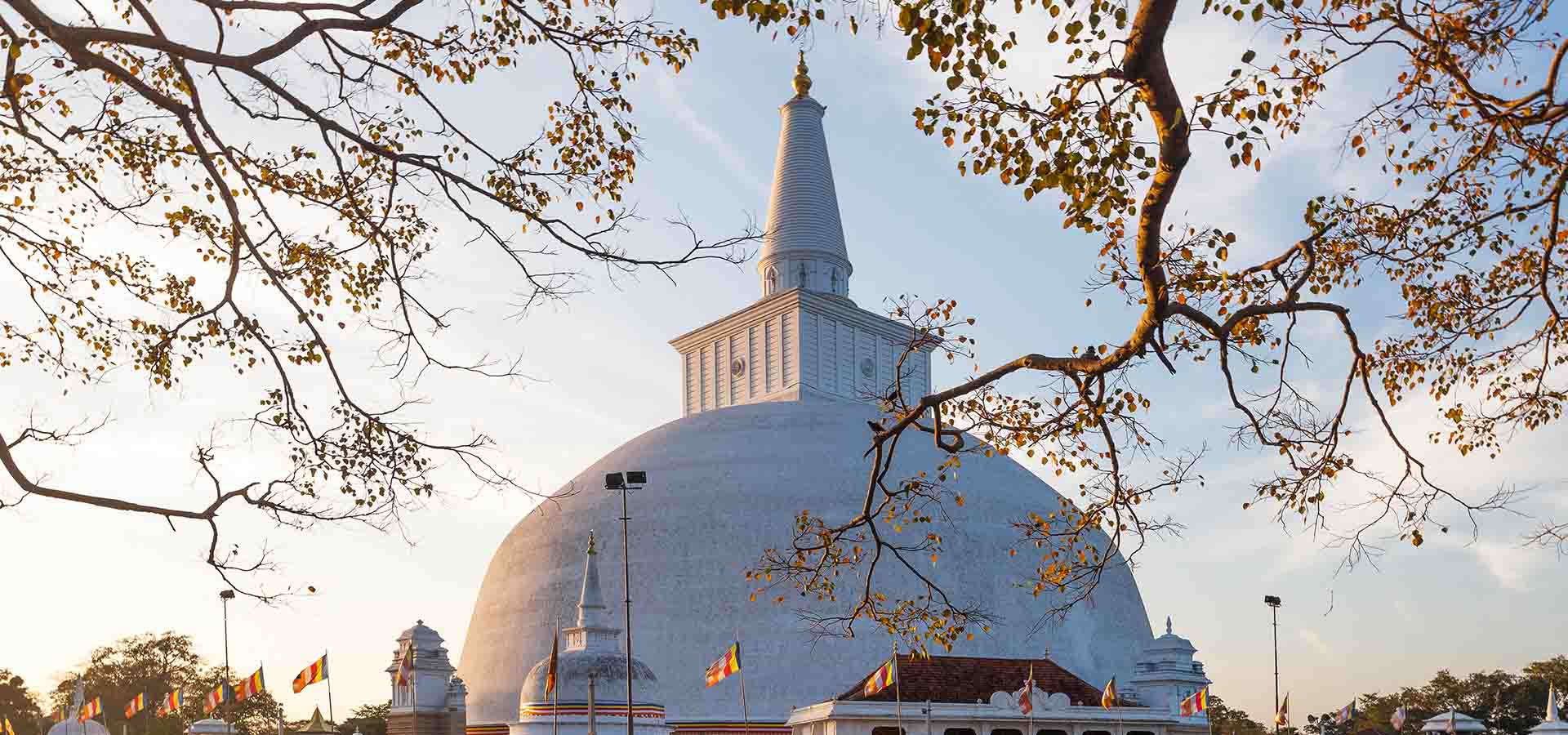
From early morning, families arrive at temples dressed in white, carrying lotus and jasmine flowers, oil and incense. They offer flowers at the Buddha images, light lamps and walk clockwise around the stupa and bodhi tree.
Many devotees observe eight precepts for the day, staying at the temple to meditate, listen to sermons and chant. Monks lead the ceremonies, and the atmosphere is calm and devotional.
In the evening, lamps are lit across the temple grounds, creating a beautiful sight under the full moon. Some temples hold special sermons and almsgivings.
- →White clothing and flower offerings.
- →Eight precepts and sermons.
- →Lamps lit in the evening.
The Kelaniya Duruthu Perahera
The Kelaniya Raja Maha Vihara, about 11 kilometres from central Colombo, holds its Duruthu Perahera around the January full moon. It is one of the country's major processions, second in fame only to the Esala Perahera in Kandy.
Decorated elephants, Kandyan and low-country dancers, drummers, whip crackers and fire performers parade through the temple area over several nights, with the final night the grandest.
Lankan Stays & Trails can arrange a driver and advise on arrival times, which helps visitors staying in Colombo or Negombo avoid the worst of the traffic and crowds.
- →Several nights around the full moon.
- →Elephants, dancers and drummers.
- →Final night is the grandest.
What closes on Duruthu poya
Alcohol sales stop on every poya day. Wine shops close, and most hotels and restaurants do not serve alcohol. Some resorts may serve guests discreetly, but do not count on it.
Many shops, markets and some restaurants close, particularly in smaller towns. Meat and fish shops often close as well. Banks and government offices close for the public holiday.
Tourist sites such as Sigiriya, Galle Fort and the Temple of the Tooth usually stay open, though they may be busier with local visitors. Public transport runs, but buses to popular temples are crowded.
- →No alcohol sales.
- →Many shops and markets close.
- →Major sites usually open.
How visitors can take part
Visitors are welcome at temples on Duruthu poya. Dress modestly in white or light colours, covering shoulders and knees, and remove shoes and hats at the entrance.
Buying a few lotus flowers to offer, lighting an oil lamp or simply sitting quietly to watch the rituals is appreciated. Avoid loud talking, and never pose with your back to a Buddha statue.
Ask before photographing people at prayer. Many families are happy to explain the rituals to respectful visitors who show genuine interest.
- →Dress modestly in light colours.
- →Offer flowers or light a lamp.
- →Ask before taking photos.
Frequently asked questions
What is Duruthu poya?
Duruthu poya is the full moon day in January, a public holiday in Sri Lanka. It commemorates the Buddha's first visit to the island, traditionally to Mahiyangana. Buddhists visit temples, offer flowers and lamps and listen to sermons, and the Kelaniya temple holds its Duruthu Perahera.
When is Duruthu poya?
Duruthu poya falls on the January full moon, so the date changes every year with the lunar calendar. Check the official poya calendar before travelling. In some years it falls very early in January, in others late in the month.
Can tourists visit temples on Duruthu poya?
Yes. Visitors are welcome if they dress modestly, covering shoulders and knees, and remove shoes and hats. White or light colours are respectful. Temples are busy, so move slowly, keep voices low and follow local worshippers.
Is alcohol sold on Duruthu poya?
No. Alcohol sales stop on every poya day, including Duruthu. Wine shops close, and most hotels and restaurants do not serve alcohol. If you want a drink that evening, buy it the day before within the legal rules and drink it privately.
What is the Duruthu Perahera?
It is a religious procession at the Kelaniya Raja Maha Vihara near Colombo, held over several nights around Duruthu poya. Decorated elephants, dancers, drummers and fire performers parade through the temple area. The final night is the grandest and most crowded.
Are shops open on Duruthu poya?
Many shops, markets and some restaurants close, especially in smaller towns. Supermarkets in cities may open with reduced hours. Banks and government offices close. Major tourist sites usually stay open, though they may be busier with local visitors.
Where is the best place to experience Duruthu poya?
Kelaniya Raja Maha Vihara near Colombo is the focus, with its perahera over several nights. Mahiyangana, linked to the Buddha's first visit, draws many pilgrims too. Any village temple offers a quieter, more personal view of the day, with families in white bringing flowers and lamps.