
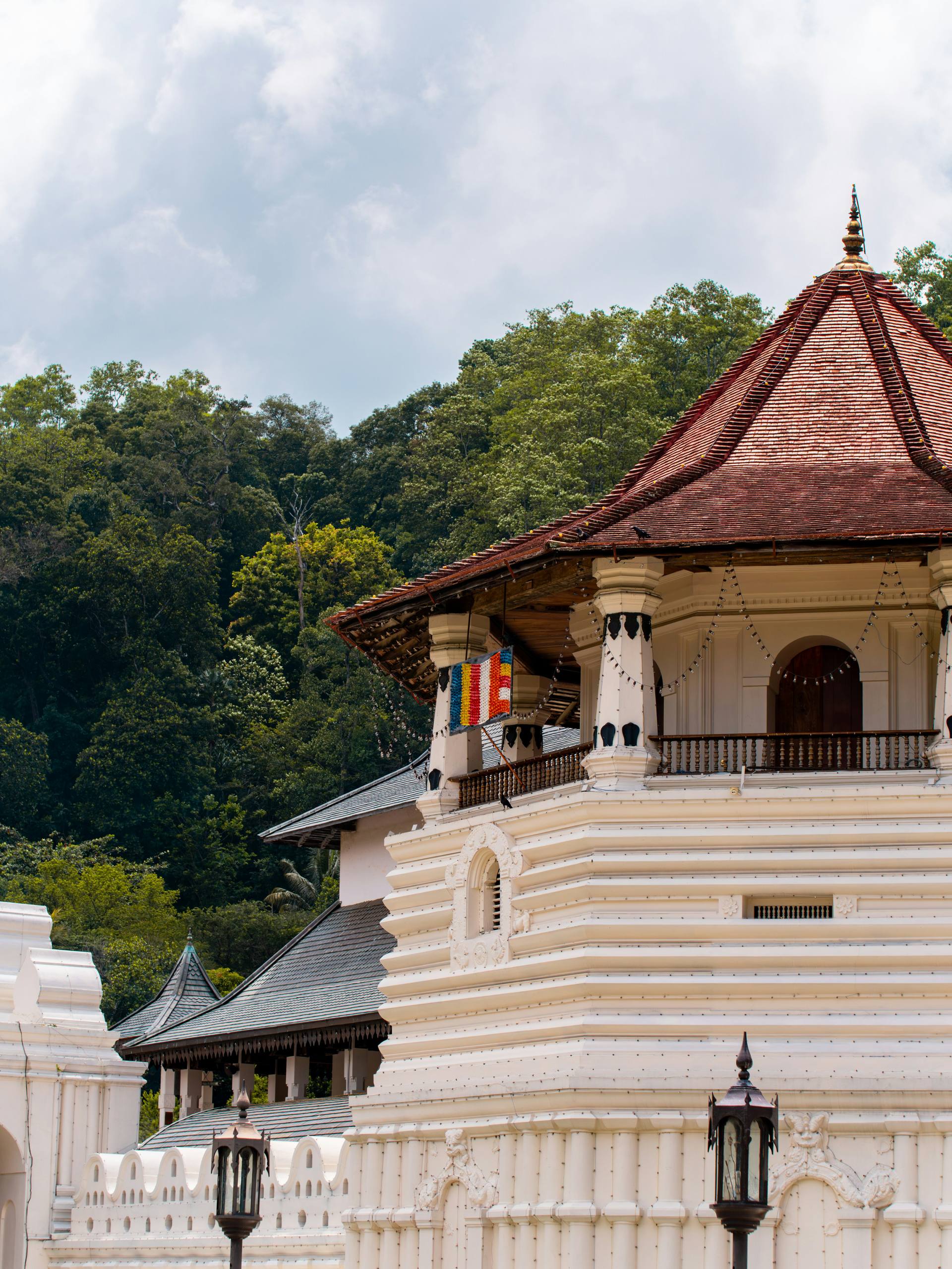
Quick answer
In January, the main perahera to see is the Duruthu Perahera at Kelaniya Raja Maha Vihara near Colombo, held over several nights around the January full moon. Arrive early to find a viewing spot, dress modestly, bring water and a mat, keep valuables secure and avoid flash photography. Smaller village and temple peraheras also take place around poya days. Expect large, friendly crowds.
Key takeaways
- The Duruthu Perahera at Kelaniya is January's main procession.
- Arrive early to find a viewing spot.
- Dress modestly and bring water and a mat.
- Avoid flash photography of elephants and dancers.
- Smaller village peraheras happen around poya days.
What a perahera is
A perahera is a religious procession that honours the Buddha, a sacred relic or the gods associated with a temple. It combines centuries-old ritual with music, dance and pageantry, and it is one of the most vivid expressions of Sri Lankan culture.
Typical processions include whip crackers who clear the way, flag bearers, drummers, Kandyan and low-country dancers, fire dancers, acrobats and decorated elephants. The central elephant often carries a relic casket or sacred object.
Each perahera follows a traditional order, and performers often belong to families who have taken part for generations.
The procession usually starts after dark and lasts two to three hours, moving slowly so that each troupe can perform. Torch-bearers carrying burning coconut husks light the way, and the smell of smoke and the rhythm of the drums stay with most visitors long after the last elephant passes.
- →Honours the Buddha or temple deities.
- →Dancers, drummers and elephants.
- →Traditional order and roles.
The Duruthu Perahera
The Duruthu Perahera at Kelaniya Raja Maha Vihara is held over several nights around the January full moon, with the grandest procession on the final night. It commemorates the Buddha's visit to Kelaniya and draws large crowds from Colombo and beyond.
The temple is about 11 kilometres from central Colombo, and roads around it become congested on perahera nights. Arriving well before the start is essential.
Lankan Stays & Trails can arrange a driver who knows the drop-off points and timing, which is easier than navigating crowds and parking alone.
Expect a mix of devotion and celebration. Families come to worship and to enjoy a night out, vendors sell snacks and drinks along the route, and the mood is warm and good-natured, though the crowd can be dense near the temple gates.
Finding a viewing spot
Arrive at least two hours before the procession starts to secure a good spot along the route. Many local families bring mats and food and settle in early.
Some temples and nearby businesses sell seats or space on raised platforms. These offer a clearer view and some comfort, though prices vary.
Stay behind any barriers and do not step into the procession route, even for photos. Whip crackers and elephants need clear space.
- →Arrive two hours early.
- →Consider paid seating.
- →Stay behind barriers.
What to wear and bring
Dress modestly, covering shoulders and knees, as this is a religious event. Light colours are respectful. Comfortable shoes are important, since you may stand or sit on the ground for hours.
Bring water, a small snack, a mat or sarong to sit on and a light layer for later in the evening. Keep valuables in a secure bag, since crowds are dense.
Earplugs can help with the loud drums, especially for children.
- →Modest, light-coloured clothing.
- →Water, mat and a light layer.
- →Secure bag and earplugs.
Etiquette and photography
Avoid flash photography, which can startle elephants and distract performers. Use a camera without flash or adjust settings for low light.
Do not push to the front or block the view of families who arrived earlier. Be patient, and enjoy the friendly atmosphere around you.
Remember that a perahera is a religious event, not just entertainment. Respect the devotion of participants and spectators, and avoid loud comments or behaviour.
- →No flash photography.
- →Do not push or block views.
- →Respect the religious meaning.
Village peraheras
Smaller peraheras take place at village temples around poya days throughout the year, including in January. They are less spectacular but more intimate, and visitors are often warmly welcomed.
Ask your driver or guesthouse host about local processions. These can be a highlight of a trip, offering a glimpse of community life far from the tourist trail.
The same etiquette applies: dress modestly, keep a respectful distance from elephants and ask before photographing people.
- →Smaller processions around poya.
- →Ask locals about events.
- →Same etiquette applies.
Frequently asked questions
Is there a perahera in Sri Lanka in January?
Yes. The Duruthu Perahera at Kelaniya Raja Maha Vihara near Colombo is held over several nights around the January full moon. Smaller village peraheras also take place around poya days. Kandy's famous Esala Perahera is held in July or August.
How early should I arrive for the Duruthu Perahera?
Arrive at least two hours before the procession starts to find a good viewing spot, especially on the final night. Roads around Kelaniya are congested, so allow extra travel time from Colombo or Negombo. Local families often arrive even earlier with mats and food.
Can I take photos at a perahera?
Yes, but avoid flash, which can startle elephants and distract performers. Do not step into the procession route for photos. Be discreet, and ask before taking close-up portraits of spectators or performers when the procession pauses.
What should I wear to a perahera?
Wear modest clothing that covers shoulders and knees, ideally in light colours, and comfortable shoes. Bring a light layer for the evening, a mat to sit on and water. A perahera is a religious event, so avoid beachwear or revealing clothes.
Is a perahera suitable for children?
Yes, with planning. Children usually love the elephants, dancers and drums. Bring earplugs for the loud drums, snacks, water and something to sit on. Keep children close in the dense crowds, and consider paid seating for a safer, clearer view.
Are elephants treated well at peraheras?
This is a debated issue. Elephants are central to perahera tradition, but animal welfare groups have raised concerns about their treatment. Visitors can support welfare by avoiding flash, keeping a distance and not encouraging any interaction with the animals for photos.
How long does a perahera last?
Most peraheras last two to three hours once the procession starts, usually after dark. The Duruthu Perahera at Kelaniya runs over several nights, with the longest and grandest procession on the final night. Including arrival and waiting, plan for an evening of four to five hours.