
Quick answer
The best places to see wildlife in north-western Sri Lanka are Wilpattu National Park for leopards, sloth bears and elephants, Kalpitiya for large pods of spinner dolphins and the Bar Reef roughly from November to April, the Anawilundawa Wetland Sanctuary near Chilaw for nesting waterbirds, and the Puttalam Lagoon for flamingos and waders in the northern winter. Wilpattu is roughly three to four hours from the airport, and Kalpitiya roughly three, which makes the north-west an easy region to add.
Key takeaways
- Wilpattu National Park, roughly 131,000 hectares, is Sri Lanka's largest national park.
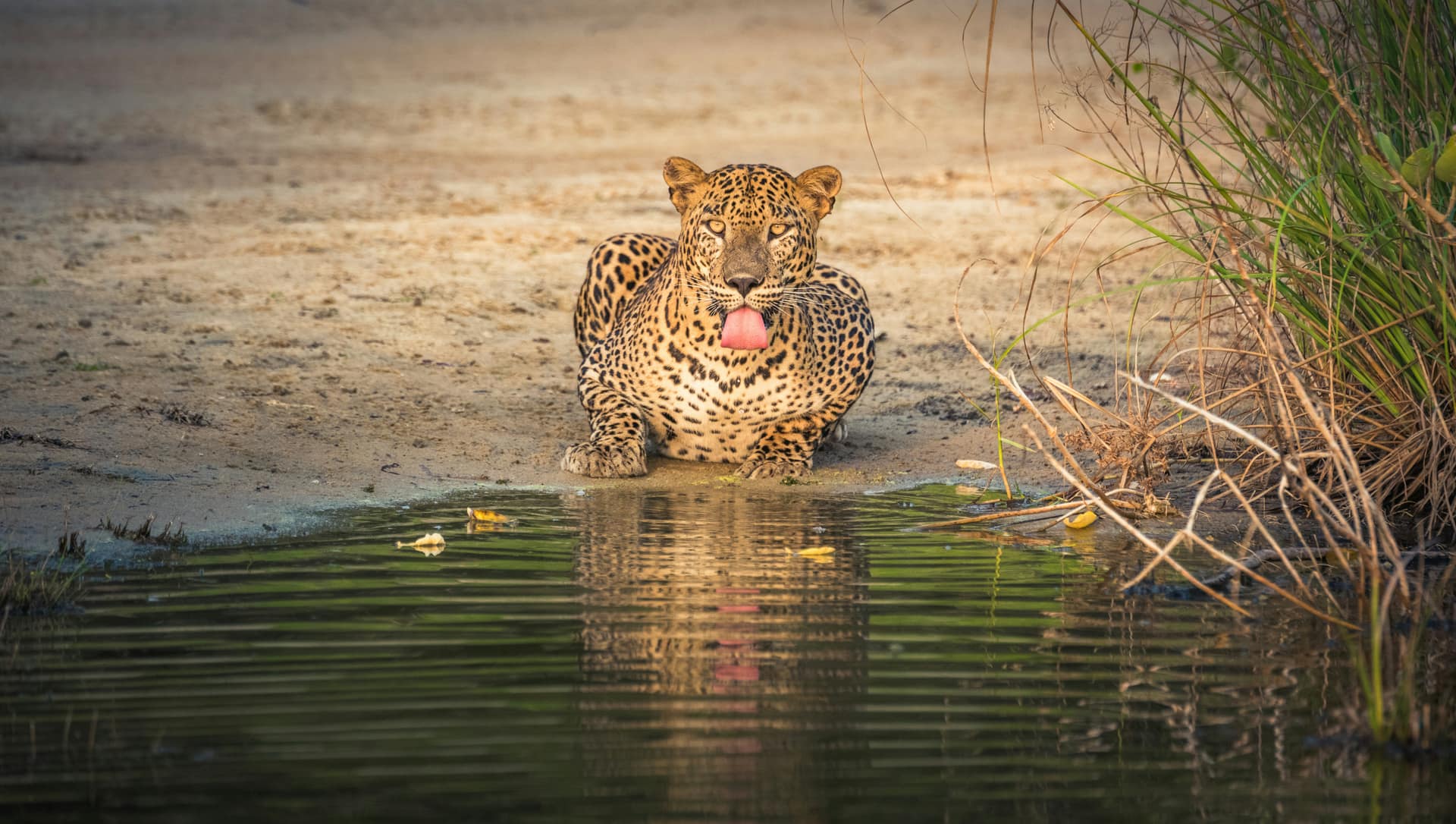
- Wilpattu is known for leopards and sloth bears around its natural lakes, called villus.
- Kalpitiya is one of the best places in Sri Lanka for spinner dolphins, roughly from November to April.
- Anawilundawa, near Chilaw, is a Ramsar wetland with nesting storks, cormorants and spoonbills.
- The Puttalam Lagoon holds flamingos and migrant waders in the northern winter.
Why the north-west is good for wildlife
North-western Sri Lanka combines dry forest, lagoons, mangroves, salt pans and coral reefs within a short distance. Wilpattu's forest, the Puttalam Lagoon's shallows and Kalpitiya's offshore reefs support very different wildlife, from leopards to dolphins.
The region is also quieter than the south. Wilpattu has far fewer jeeps than Yala, and Kalpitiya's lagoon and beaches are much less developed than the south coast.
The north-west is also the closest wildlife region to Bandaranaike International Airport. Travellers landing in the morning can be at Anawilundawa by lunchtime and near Wilpattu by evening, without crossing the hills or joining the traffic around Colombo. On the way home, a final morning at Muthurajawela Marsh, about 30 minutes from the terminal, fits easily before an afternoon or evening flight.
The best places to see wildlife in north-western Sri Lanka
The best places to see wildlife in north-western Sri Lanka range from a vast national park to small wetlands and offshore reefs.
Wilpattu and Kalpitiya are the two main draws, and many travellers combine them in two or three nights.
- →Wilpattu National Park: leopards, sloth bears, elephants and many birds.
- →Kalpitiya: spinner dolphins, sperm whales and the Bar Reef.
- →Anawilundawa Wetland Sanctuary: nesting waterbirds near Chilaw.
- →Puttalam Lagoon: flamingos and waders in the northern winter.
- →Muthurajawela Marsh: a wetland boat trip near the airport.
Wilpattu and its villus
Wilpattu National Park is Sri Lanka's largest, covering roughly 131,000 hectares of dry forest, scrub and around 60 natural lakes called villus. It is known for leopards, which are seen less often than at Yala but in a much quieter setting, and for sloth bears, especially roughly in June and July.
Elephants, spotted deer, sambar, water buffalo and many birds are also common. The park is best roughly from February to October, and full-day drives are popular because of its size.
Kalpitiya and the sea
Kalpitiya, a peninsula between the Puttalam Lagoon and the sea, is one of the best places in Sri Lanka for spinner dolphins, often in large pods, roughly from November to April. Sperm whales and other whales are sometimes seen further out.
The Bar Reef, one of Sri Lanka's largest coral reefs, lies offshore and can be visited by boat in calm weather. The lagoon holds flamingos, waders and other waterbirds in the northern winter, and Kalpitiya is also a well-known kitesurfing destination.
- →Spinner dolphins: large pods, roughly November to April.
- →Bar Reef: coral and fish in calm weather.
- →Puttalam Lagoon: flamingos and waders.
When to go
The best time for wildlife in north-western Sri Lanka depends on the place. Wilpattu is best roughly from February to October, with sloth bears often roughly in June and July. Kalpitiya's dolphins and the Bar Reef are best roughly from November to April. The wetlands are best for migrants roughly from November to March.
This means the north-west works in most months, though not every place is at its best at once.
- →February to October: Wilpattu.
- →November to April: Kalpitiya's dolphins and reefs.
- →November to March: migrant birds in the wetlands.
Planning a north-western wildlife trip
A north-western wildlife trip often starts from the airport, with a stop at Anawilundawa on the way north, two nights near Wilpattu and one or two nights at Kalpitiya. Wilpattu also links easily with Anuradhapura, roughly an hour away.
Lankan Stays & Trails arranges Wilpattu safaris and Kalpitiya dolphin trips as part of north-western routes, often at the start of a trip.
Frequently asked questions
What wildlife can you see in north-western Sri Lanka?
North-western Sri Lanka offers leopards, sloth bears and elephants at Wilpattu, spinner dolphins and reefs at Kalpitiya, and waterbirds at Anawilundawa and the Puttalam Lagoon, including flamingos and waders in the northern winter.
Is Wilpattu better than Yala?
They suit different travellers. Yala usually has more frequent leopard sightings but many jeeps. Wilpattu is larger and quieter, with fewer vehicles, a more forested landscape and good chances of sloth bears. Many travellers who dislike crowds prefer Wilpattu.
When is the best time to see dolphins in Kalpitiya?
The best time is roughly November to April, when seas are calm and large pods of spinner dolphins are often seen offshore. Early morning trips give the best chances and calmest water. From May to October, the south-west monsoon brings rougher seas.
How far is Wilpattu from the airport?
Wilpattu National Park is roughly three to four hours by road from Bandaranaike International Airport, via the coast road through Chilaw and Puttalam. It is roughly an hour from Anuradhapura, which makes it easy to combine with the Cultural Triangle.
What is the Bar Reef?
The Bar Reef is one of the largest coral reef systems in Sri Lanka, off the Kalpitiya peninsula. It is a marine sanctuary with coral, reef fish and turtles, and can be visited by boat in calm weather, roughly November to April. Access depends on conditions.
Can you see flamingos in Puttalam?
Yes. Greater flamingos and migrant waders are often seen in the Puttalam Lagoon and around Kalpitiya in the northern winter, roughly November to March. Numbers vary with water levels. The salt pans and lagoon edges are the best places to look.
Is north-western Sri Lanka good for a first trip?
Yes, especially for travellers who want wildlife close to the airport. Wilpattu and Kalpitiya are easy to reach and combine well with the Cultural Triangle. The region is quieter than the south and offers a mix of safari, sea and wetlands.