
Quick answer
The best places to see wildlife in Sri Lanka's deep south are Yala National Park for leopards, sloth bears and elephants, Udawalawe for elephants all year, Bundala for waterbirds and flamingos, Lunugamvehera for a quieter park between the two, and the lakes around Tissamaharama for pelicans, storks and crocodiles. Kalametiya and Ussangoda near Tangalle add lagoon birds and coastal scrub. The south is best roughly from February to August for Yala, with Udawalawe good all year and Bundala at its best from November to April.
Key takeaways
- Yala National Park, in the deep south, has one of the highest leopard densities recorded anywhere.
- Udawalawe National Park is the most reliable place in Sri Lanka for elephants in any month.
- Bundala National Park is a Ramsar wetland known for flamingos and migrant waterbirds, roughly November to April.
- Lunugamvehera National Park lies between Yala and Udawalawe and sees far fewer jeeps.
- The lakes around Tissamaharama hold pelicans, painted storks and crocodiles, viewable without a ticket.
Why the deep south is Sri Lanka's wildlife heartland
Sri Lanka's deep south combines dry scrub, rock outcrops, lagoons, wetlands and ancient tanks, and much of it is protected. Yala, Bundala, Udawalawe and Lunugamvehera together form one of the largest protected landscapes in the country, with animals moving between them.
The region is also easy to reach, with good roads from the south coast beaches and from the hill country, and a wide range of places to stay.
The best places to see wildlife in the deep south
The best places to see wildlife in the deep south are its national parks and wetlands, each with its own strengths.
Many travellers combine two of them, often Udawalawe and Yala, or Yala and Bundala, in two or three nights.
- →Yala National Park: leopards, sloth bears, elephants, crocodiles and birds.
- →Udawalawe National Park: elephants in every month, with buffalo and raptors.
- →Bundala National Park: flamingos, storks and migrant waterbirds.
- →Lunugamvehera National Park: a quiet park with elephants and birds.
- →Tissamaharama lakes: pelicans, storks and crocodiles near the town.
- →Kalametiya and Ussangoda: lagoon birds and coastal scrub near Tangalle.
Yala and Udawalawe
Yala National Park is the headline. Its Block 1 has a high density of leopards, which often rest on rock outcrops in view, and it is also good for sloth bears, elephants, crocodiles and many birds. It is busy, especially in peak season, and usually closes for part of September and October.
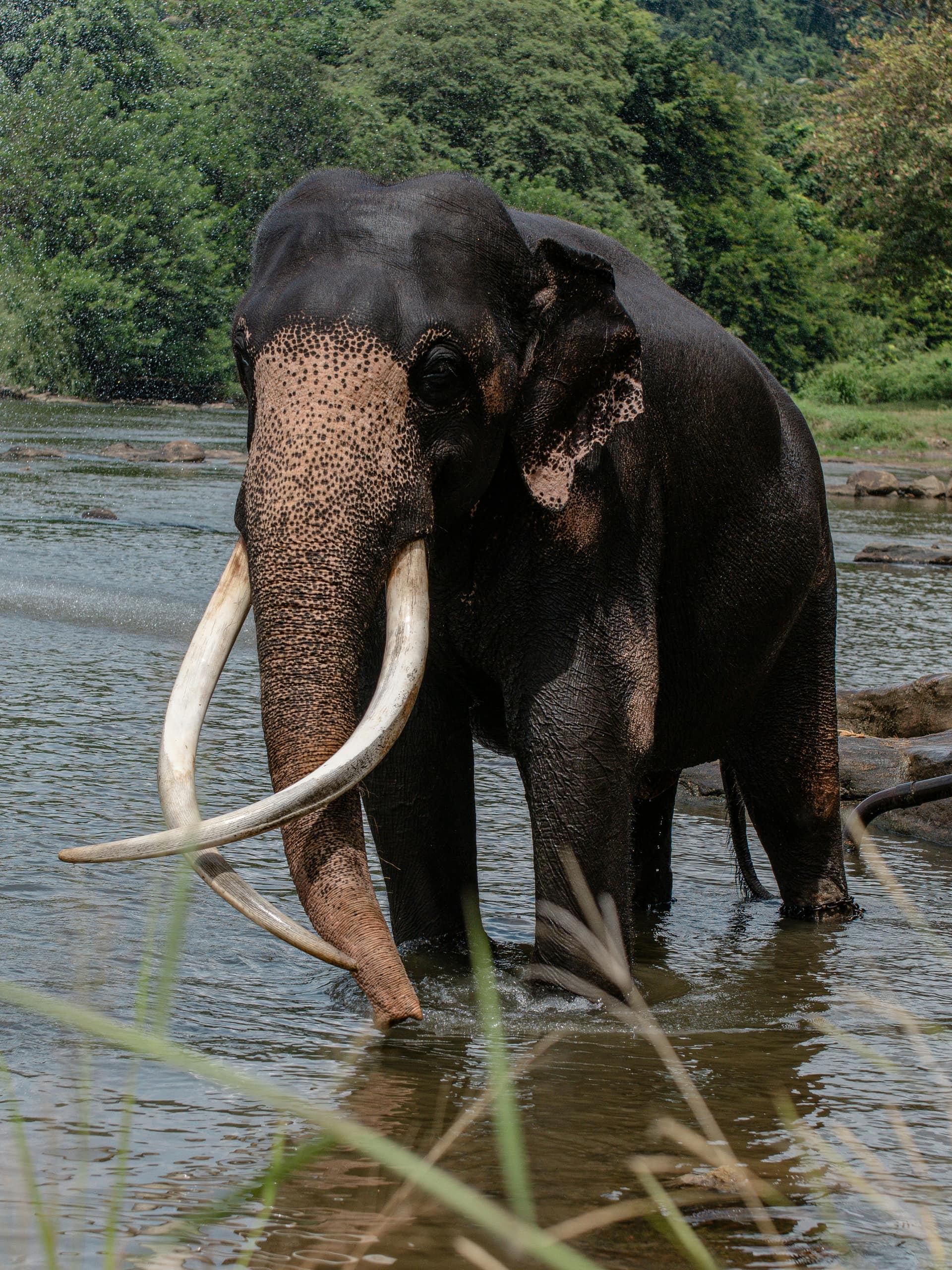
Udawalawe National Park, roughly one and a half to two hours from Tissamaharama, is built around a reservoir and its grassland, and elephants are seen on almost every drive, in any month. The Elephant Transit Home nearby raises orphaned calves for release.
Bundala and the wetlands
Bundala National Park, roughly 30 minutes from Tissamaharama, is a Ramsar wetland of lagoons, salt pans and scrub. It is best roughly from November to April, when greater flamingos and migrant waders are present, and it also has elephants, crocodiles and peafowl.
The lakes around Tissamaharama, such as Tissa Wewa, Debara Wewa and Weerawila Wewa, hold pelicans, painted storks and cormorants and can be viewed without a ticket. Near Tangalle, the Kalametiya lagoon has waterbirds, and Ussangoda has open coastal scrub and turtles on the nearby beaches.
- →Bundala: flamingos and waders, November to April.
- →Tissamaharama lakes: pelicans, storks and sunsets.
- →Kalametiya: lagoon birds near Tangalle.
When to go
The best time for wildlife in the deep south is roughly February to August for Yala, when the dry season concentrates animals near water. Udawalawe works all year. Bundala is best roughly from November to April, when migrants are present.
Yala usually closes for part of September and October, so check dates before planning a visit then. The south-west monsoon, roughly May to September, brings rain to the south-west coast but often leaves the deep south dry.
- →February to August: Yala at its best.
- →November to April: Bundala's migrants.
- →All year: Udawalawe's elephants.
Planning a deep south wildlife trip
A deep south wildlife trip often combines one night near Udawalawe with two nights near Yala, with Bundala and the Tissamaharama lakes in between drives. Bases at Tissamaharama or Kirinda put Yala and Bundala within 30 minutes.
Lankan Stays & Trails arranges safaris across the deep south, choosing blocks, gates and timings to avoid the worst of the crowds, and often combines the parks with beaches at Tangalle or Mirissa.
Frequently asked questions
What wildlife can you see in the deep south of Sri Lanka?
The deep south offers leopards, sloth bears, elephants and crocodiles at Yala, elephants at Udawalawe, flamingos and waterbirds at Bundala, and pelicans, storks and crocodiles on the Tissamaharama lakes. Lunugamvehera adds a quieter park between Yala and Udawalawe.
Which is the best safari park in southern Sri Lanka?
Yala is the best for leopards and variety, Udawalawe for elephants and Bundala for birds. Many travellers combine two of them. Lunugamvehera is a quieter alternative to Yala, with fewer jeeps but fewer leopard sightings.
When is the best time for wildlife in southern Sri Lanka?
Roughly February to August is best for Yala, when animals concentrate near water. Udawalawe works all year, and Bundala is best roughly from November to April for migrant birds. Yala usually closes for part of September and October.
How far is Udawalawe from Yala?
Udawalawe National Park is roughly one and a half to two hours by road from Tissamaharama, the base for Yala. Many travellers do a safari at Udawalawe, drive to Tissamaharama and do Yala the next morning.
Can you see flamingos in southern Sri Lanka?
Yes. Greater flamingos are often seen at Bundala National Park, roughly 30 minutes from Tissamaharama, roughly from November to April. Numbers vary with water levels, and the flamingos may move between lagoons.
Is Lunugamvehera worth visiting?
Lunugamvehera is worth visiting for travellers who want a quieter park with elephants and birds, especially if Yala is busy. Leopard sightings are less common than at Yala. It lies between Yala and Udawalawe and can be added to a southern trip.
Where should I stay for wildlife in the deep south?
Tissamaharama and Kirinda are the best bases for Yala and Bundala, with Yala's gates within 30 minutes. For Udawalawe, stay near the park or in Embilipitiya. Some travellers base themselves at Tangalle and make day trips, though this means long drives.