
Quick answer
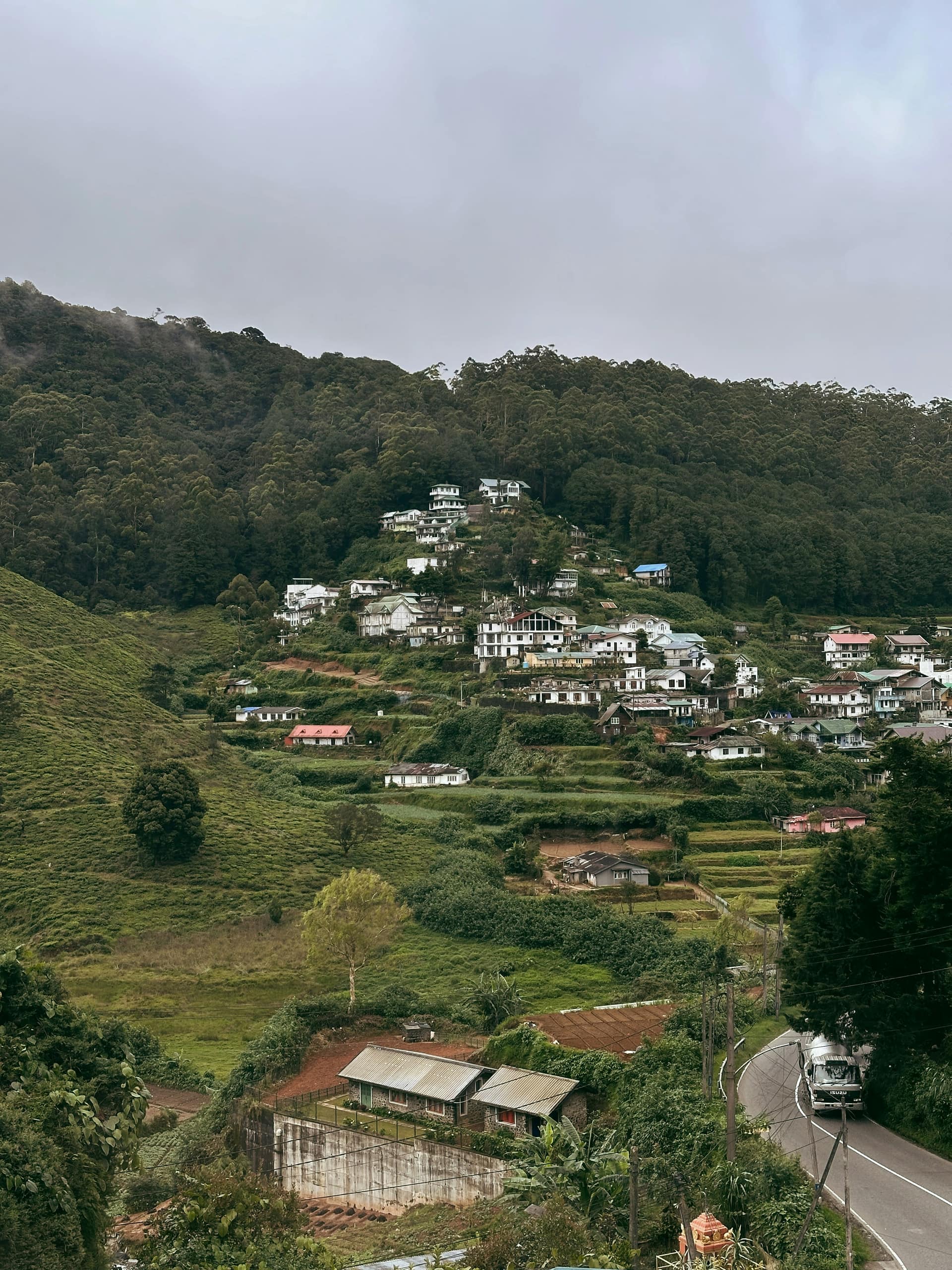
The Ceylon Tea Museum is a museum of Sri Lanka's tea industry in the former Hantana tea factory, about four kilometres south of central Kandy. The four-storey factory was built in 1925 and reopened as a museum in 2001. It displays nineteenth-century rollers, dryers and sorters, the belongings of the pioneer planter James Taylor, and a tasting room on the top floor with views of the Knuckles and Hunnasgiriya ranges. Allow one to one and a half hours, and check the weekly closing day before you go.
Key takeaways
- The Ceylon Tea Museum occupies the Hantana tea factory, built in 1925 and abandoned for more than a decade before its restoration.
- James Taylor planted the first commercial tea in Ceylon in 1867 at Loolecondera estate, about 35 kilometres south-east of Kandy.
- The museum is about four kilometres, or 15 minutes by tuk-tuk, from Kandy Lake on the Hantana road.
- The Ceylon Tea Museum has four floors: machinery, the Taylor and Lipton rooms, a shop and a tea room at the top.
- Tea replaced coffee in the Kandy hills after a leaf disease destroyed the coffee estates in the 1870s.
What the Ceylon Tea Museum is
The Ceylon Tea Museum was set up by the Sri Lanka Tea Board and the planters' association to preserve the industry's early machinery. The Hantana factory, which had stopped working, gave it a home with the right atmosphere: timber floors, steel columns and long rows of windows for withering leaf.
The museum at Hantana is not a working factory, and that is its strength. Machines stand still, with their guards off, so you can see how each one acts on the leaf. Staff walk visitors through the process in order, which few busy estate factories have time to do.
Floor by floor
The ground floor of the Ceylon Tea Museum holds the heavy machinery. There are hand-operated rollers from the 1880s, early dryers fired by wood, sifting machines and a hundred-year-old engine that once powered the line shafts. Most were made in Belfast, Colombo and Kandy itself.
The upper floors of the Ceylon Tea Museum move from engineering to people. The first floor is devoted to James Taylor and Thomas Lipton, the second to a library and shop, and the top floor to a tea room with a telescope trained on the hills.
- →Ground floor: rollers, dryers, sorters and generators.
- →First floor: James Taylor's walking stick, crockery and letters; early Lipton packaging.
- →Second floor: library, auction records and a shop selling single-estate teas.
- →Top floor: tea room, panoramic windows and a cup of tea included with the ticket.
James Taylor and the birth of Ceylon tea
James Taylor was a Scot who arrived in Ceylon in 1852, aged 16, to work on a coffee estate. In 1867 he planted about eight hectares of tea at Loolecondera, in the hills south-east of Kandy, and worked out how to wither, roll and fire the leaf on his bungalow veranda.
Taylor's timing made Ceylon tea. Within a few years a fungus known as coffee rust had wiped out the island's coffee, and planters turned to his methods. By the 1890s tea covered the hills. Taylor died at Loolecondera in 1892, and his grave is in the Mahaiyawa cemetery in Kandy.
Visiting: getting there, tickets and time
Getting to the Ceylon Tea Museum from Kandy takes about 15 minutes by tuk-tuk or car. The Hantana road climbs steadily from the hospital junction through pine trees and tea. There are local buses, though they are infrequent, and the walk up is long and steep.
Tickets for the Ceylon Tea Museum are inexpensive, usually the equivalent of a few US dollars, and include a guided walk and a cup of tea. The museum has traditionally closed on Mondays and on poya days, with shorter hours on Sundays. Confirm before making the trip.
- →Distance: about four kilometres from Kandy Lake.
- →Time needed: 60 to 90 minutes.
- →Access: steep wooden stairs between floors; no lift.
- →Combine with: a short walk on the Hantana estate roads above the museum.
Museum or working tea factory
The Ceylon Tea Museum and a working tea factory give different things. The museum explains history and mechanics clearly, in a calm setting. A working factory gives noise, heat, the smell of fermenting leaf and the sight of pluckers bringing in their baskets.
The choice between the museum and a factory depends on your route. Travellers going on to Nuwara Eliya or Ella will pass working factories and can visit the museum first for context. Travellers who are not continuing into the tea country should choose a working factory near Kandy instead, or do both in one morning.
- →Choose the museum if you like history, quiet and a good view.
- →Choose a factory if you want to see tea being made today.
- →Do both if tea is one of the reasons you came to Sri Lanka.
Fitting the museum into a Kandy stay
The Ceylon Tea Museum fits best into a second day in Kandy. It pairs naturally with the Hantana ridge walks, which start a little further up the same road, or with an afternoon at the botanic gardens in Peradeniya on the way back down.
Clear weather matters at the Ceylon Tea Museum because the top-floor view is half the visit. Mornings are usually clearer than afternoons. Lankan Stays & Trails includes the museum for travellers with a particular interest in tea, often followed by a tasting at an estate bungalow in the hills.
Frequently asked questions
Where is the Ceylon Tea Museum?
The Ceylon Tea Museum is on the Hantana road, about four kilometres south of the centre of Kandy. It occupies the old Hantana tea factory on a ridge above the city. A tuk-tuk from Kandy Lake takes around 15 minutes each way.
Is the Ceylon Tea Museum worth visiting?
The Ceylon Tea Museum is worth visiting if you are curious about how tea is made and where the industry started. It is less essential if you will tour a working factory in Nuwara Eliya or Ella. The view from the top-floor tea room is a bonus on a clear day.
What days is the Ceylon Tea Museum closed?
The Ceylon Tea Museum has usually closed on Mondays and on full moon poya days, and has opened for shorter hours on Sundays. Opening arrangements have changed over the years, so confirm locally or ask your hotel to telephone before you set out.
How long does the Ceylon Tea Museum take?
Allow one to one and a half hours for the Ceylon Tea Museum, including the guided explanation of the machinery, the James Taylor room and a cup of tea on the top floor. With travel from the centre of Kandy, plan on two hours in total.
Who started the tea industry in Sri Lanka?
James Taylor, a Scottish planter, started the commercial tea industry in Sri Lanka by planting tea at Loolecondera estate near Kandy in 1867. Thomas Lipton later bought estates and marketed Ceylon tea to the world, but he arrived more than 20 years after Taylor.
Can you buy tea at the Ceylon Tea Museum?
The Ceylon Tea Museum has a shop on an upper floor that sells teas from different growing regions and elevations, including some single-estate teas. Prices are fair, and staff can explain the difference between low-grown, mid-grown and high-grown leaf.