
Quick answer
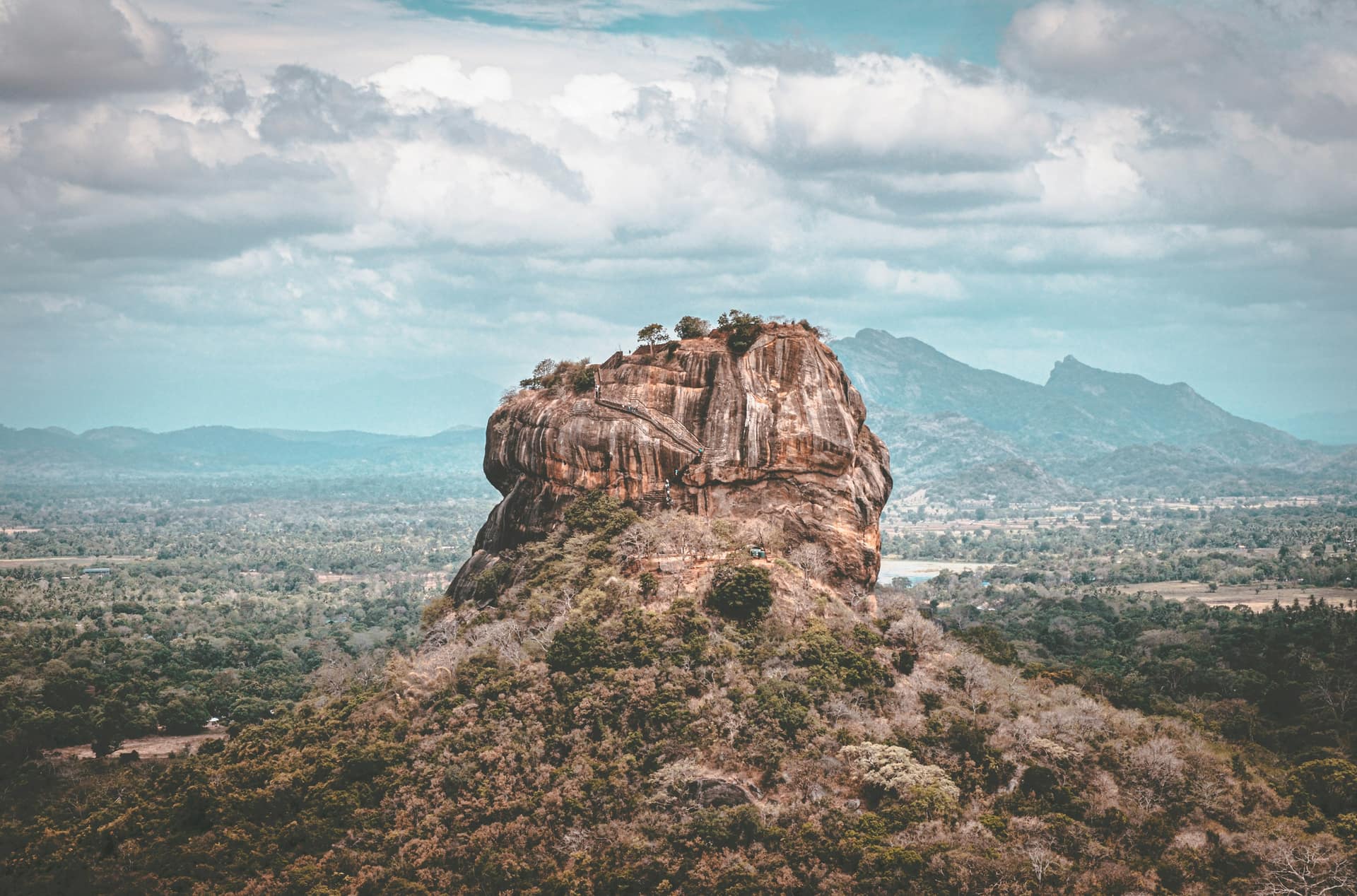
The culture, wildlife and beach route is excellent for photographers. Highlights include Sri Maha Bodhi and Ruwanwelisaya at dusk, Sigiriya from Pidurangala at sunrise or sunset, Gal Vihara in soft morning light, elephants in golden light at Udawalawe at dawn, leopards in Yala, whales off Mirissa and Galle's ramparts and lighthouse at dusk. Bring a long lens for wildlife and a wide lens for landscapes, ask before photographing people and note that drones are banned at most cultural sites.
Key takeaways
- Dawn and dusk give the best light at almost every stop on the route.
- Pidurangala gives the classic view of Sigiriya, best at sunrise or sunset.
- A long lens, roughly 300 to 600 mm, is ideal for wildlife.
- Drones are banned at most cultural sites and national parks without permits.
- Always ask before photographing people, especially monks and worshippers.
The best light, stop by stop
The route's best light is at the edges of the day. In Anuradhapura, the white stupas glow at sunset, and the lamps at Sri Maha Bodhi make atmospheric images at dusk. At Sigiriya, climb the rock at opening for soft light, and photograph the rock itself from Pidurangala at sunrise or sunset. Polonnaruwa's Gal Vihara is best in soft morning light.
In Kandy, the lake and the Temple of the Tooth are lovely at dusk, and the dance show offers dramatic, low-light action. In the south, the parks are best at dawn and late afternoon. On the coast, Coconut Tree Hill and Galle's lighthouse and ramparts are classic sunset subjects.
Midday light is harsh, so use the middle of the day for rest, editing and travel.
- →Anuradhapura: stupas at sunset, lamps at dusk.
- →Sigiriya: from Pidurangala at sunrise or sunset.
- →Polonnaruwa: Gal Vihara in morning light.
- →Galle: ramparts and lighthouse at dusk.
Wildlife photography
The route's three safaris and whale watching give varied wildlife subjects. Udawalawe is the best park for elephant photography, with close, unhurried views in golden dawn light. The Cultural Triangle parks offer herds against reservoirs and forest. Yala offers leopards, sloth bears, crocodiles and birds, though sightings require patience and some luck.
A long lens, roughly 300 to 600 mm, is ideal, with a fast shutter speed for moving animals. A beanbag on the jeep's edge steadies the camera. Ask your driver to position the jeep with the light behind you and to switch off the engine to reduce vibration.
Whale watching is challenging, with a moving boat and brief surfacing. Use a fast shutter, continuous focus and a mid-length zoom.
- →Udawalawe: elephants in golden light.
- →Yala: leopards and variety.
- →A long lens and a beanbag.
- →Fast shutter for whales.
Photographing people and temples
Sri Lankans are often happy to be photographed, but always ask first, especially monks, worshippers and children. Respect a refusal. At temples, never pose with your back to a Buddha image, avoid flash on paintings and follow signs where photography is banned. The Temple of the Tooth restricts photography in some areas.
Markets, fishing harbours and village life offer wonderful subjects. Early-morning harbours at Tangalle, Mirissa and Galle are full of colour and action. The stilt fishermen near Koggala often pose for a fee; working harbours give more authentic images.
- →Always ask before photographing people.
- →No posing with your back to a Buddha.
- →No flash on paintings.
Gear and practicalities
A versatile kit for the route includes a long lens for wildlife, a wide lens for landscapes and architecture, and a standard zoom for everyday shots. Bring spare batteries and memory cards, a lens cloth for humidity and a dust cover for safaris. A dry bag protects gear on boats.
Drones are banned at most cultural sites, national parks and sensitive areas without special permits, which are difficult to obtain. Do not fly them at Sigiriya, the ancient cities or the parks. Lankan Stays & Trails can arrange private photography safaris and early access where possible.
Humidity can fog lenses when moving from air-conditioned rooms; let gear adjust before shooting.
- →Long, wide and standard lenses.
- →Spare batteries and cards.
- →Dust and dry bags.
- →No drones at cultural sites or parks.
Planning for photography
Photographers may want to adjust the route. Two nights at Tissamaharama already give Yala a full day, but a third night allows more drives. A private jeep gives more control over positioning and timing. A night inside Galle Fort allows sunset and sunrise on the ramparts.
The best months for photography are roughly January to March, with clear skies and calm seas, and around August and September for the Minneriya Gathering on the summer version.
Back up images every evening, because a lost card can mean losing a leopard. A laptop or portable drive and a cloud backup on hotel Wi-Fi give peace of mind over two weeks.
Frequently asked questions
Is the culture, wildlife and beach route good for photographers?
Yes. It offers ancient monuments, wildlife, beaches and colonial streets in two weeks. Highlights include Sigiriya from Pidurangala, elephants at Udawalawe, leopards in Yala, whales off Mirissa and Galle at dusk. Dawn and dusk give the best light.
What lens should I bring for wildlife?
A long lens, roughly 300 to 600 mm, is ideal for safaris, with a fast shutter speed for moving animals. A beanbag steadies the camera on the jeep. A mid-length zoom works well for whales and elephants at close range.
Can I fly a drone at Sigiriya?
No. Drones are banned at Sigiriya, the ancient cities, national parks and many sensitive areas without special permits, which are difficult to obtain. Flying without permission can lead to fines or confiscation.
Where is the best view of Sigiriya?
From Pidurangala, the neighbouring rock, which gives the classic view of Sigiriya rising from the forest. Sunrise and sunset are the best times. The climb is shorter but rougher than Sigiriya, with a scramble at the top.
Can I photograph monks and worshippers?
Ask first, and respect a refusal. Many people are happy to be photographed, but monks and worshippers deserve particular respect. Never pose with your back to a Buddha image, and avoid flash in shrines.
When is the best time for photography?
Roughly January to March, with clear skies, calm seas and good wildlife. August and September offer the Minneriya Gathering on the summer version. Dawn and dusk give the best light throughout the year.