
Quick answer
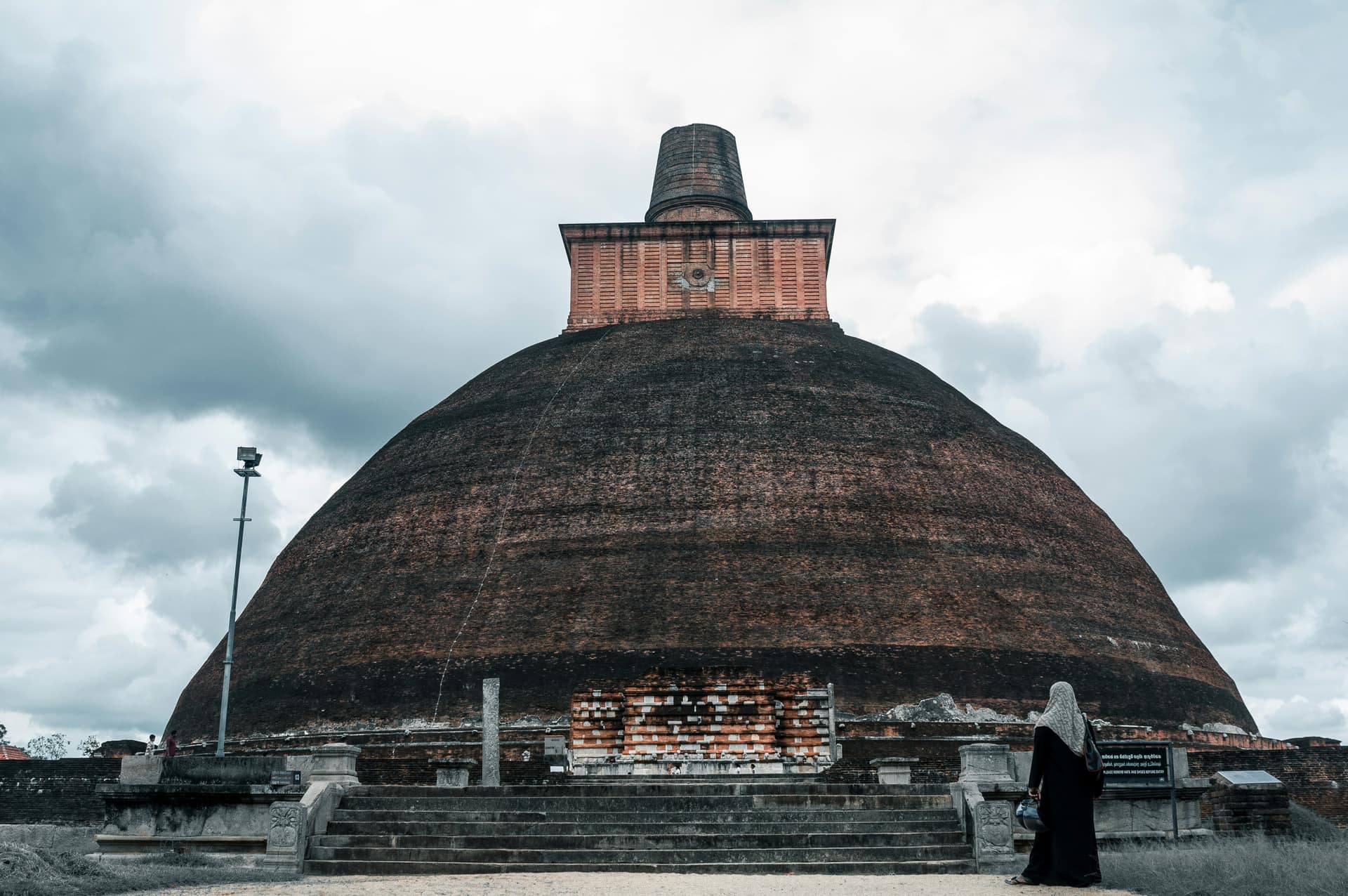
To make an offering at a Cultural Triangle temple, buy a few flowers, usually lotus, jasmine or temple flowers, from the stalls outside, remove your shoes and hat, and place them on the flower altar (mal asana) in front of the stupa, Bo tree or Buddha image. You may also light an oil lamp or incense at the lamp house. Then walk clockwise around the stupa or Bo tree. Offerings cost little, are welcome from anyone and are entirely optional for visitors.
Key takeaways
- Flowers, oil lamps and incense are the three most common offerings at Cultural Triangle temples.
- The flower altar in front of a shrine is called a mal asana in Sinhala.
- Flowers for offering are sold at stalls outside major temples such as the Sri Maha Bodhi, Ruwanwelisaya and Dambulla for very little.
- Pilgrims walk clockwise around stupas and Bo trees, keeping the sacred object on their right.
- Flowers symbolise impermanence in Buddhism: they are beautiful now and will fade.
What offerings mean
Offerings at Cultural Triangle temples are acts of respect and reflection, not payment or prayer for favours. Flowers, beautiful now and fading tomorrow, recall impermanence. The oil lamp represents wisdom dispelling ignorance. Incense, with its fragrance spreading, recalls the spread of virtue.
For Sri Lankan Buddhists, an offering is also a way to make merit and to calm the mind. Many recite short verses as they place flowers. Visitors do not need to recite anything; the gesture itself is respectful.
Water is another offering at Cultural Triangle temples, especially at Bo trees. At the Sri Maha Bodhi and smaller bodhighara shrines, pilgrims pour water from a small pot at the foot of the tree's railing, a gesture recalling the care given to the sacred tree for over two thousand years. Visitors may join in if they wish, following the pilgrims' example.
- →Flowers: impermanence.
- →Oil lamp: wisdom.
- →Incense: virtue spreading.
Buying flowers
Flowers for offering are sold at stalls outside most Cultural Triangle temples. At the Sri Maha Bodhi, Ruwanwelisaya, Dambulla and Mihintale, you will find lotus, water lilies, jasmine and frangipani, often arranged on small trays. Prices are low, and a few flowers are enough.
Pilgrims avoid smelling flowers before offering them, as the fragrance is meant for the offering. Many remove stalks and arrange the heads neatly on the altar. White and pale flowers are especially common.
- →Lotus and water lilies: the classic offering.
- →Jasmine and frangipani: fragrant and common.
- →A few flowers are enough; do not smell them first.
Step by step
Making an offering at a Cultural Triangle temple takes only a few minutes. Remove shoes and hat at the entrance, carry your flowers in both hands, and walk to the flower altar in front of the stupa, Bo tree or image house. Place the flowers neatly, pause for a moment, palms together if you wish, and step back.
Next, many pilgrims light an oil lamp or incense at the lamp house, a stone or metal shelter beside the shrine. A small donation in the box covers the oil. Finally, walk clockwise around the stupa or Bo tree, at a calm pace, keeping it on your right.
Lankan Stays & Trails guides often walk visitors through their first offering at Ruwanwelisaya, where the terrace is spacious and calm in the early morning.
- →Remove shoes and hat.
- →Place flowers on the mal asana.
- →Light a lamp or incense if you wish.
- →Walk clockwise around the stupa or Bo tree.
Best places for a first offering
The best places in the Cultural Triangle for a first offering are those where pilgrims gather daily. Ruwanwelisaya in Anuradhapura has a wide terrace and long flower altars, making it easy for newcomers. The Sri Maha Bodhi is the most sacred, busiest in the evening when lamps are lit.
Dambulla's cave temple has flower altars in front of the main images. Mihintale's Ambasthala dagoba, where Mahinda is said to have met King Devanampiya Tissa, is another meaningful place, especially at sunset.
- →Ruwanwelisaya: spacious and welcoming.
- →Sri Maha Bodhi: the most sacred, best in the evening.
- →Dambulla: altars in each cave.
- →Mihintale: meaningful at sunset.
Etiquette around offerings
A few points of etiquette help at Cultural Triangle temples. Do not move other people's offerings, step over them or photograph worshippers at close range during prayer. Keep phones on silent. Wait your turn at a busy altar.
Never place offerings on a Buddha image itself. Leave flowers on the altar, not on statues or stupas. If you are unsure what to do, a smile and watching others is the best guide.
On poya days, altars at the Sri Maha Bodhi and Ruwanwelisaya fill quickly and temple workers clear them often. This is normal, and the flowers have already served their purpose once offered. Visiting on a quieter weekday morning gives newcomers more space and time for a calm first offering in the Cultural Triangle.
Frequently asked questions
How do I make an offering at a Buddhist temple?
Buy a few flowers outside, remove shoes and hat, and place them neatly on the flower altar in front of the stupa, Bo tree or Buddha image. Pause for a moment, then light an oil lamp or incense if you wish and walk clockwise around the shrine.
What flowers are offered at Sri Lankan temples?
Lotus and water lilies are the classic offering, with jasmine, frangipani and other temple flowers also common. White and pale flowers are especially popular. They are sold at stalls outside major temples for very little.
Can tourists make offerings at Sri Lankan temples?
Yes. Offerings are welcome from anyone and are seen as a respectful gesture. They are entirely optional. Follow pilgrims' example or ask a guide if you are unsure. Many visitors find it one of the most memorable moments of a trip.
Why do people walk around stupas clockwise?
Walking clockwise, keeping the stupa or Bo tree on your right, is a traditional mark of respect in Buddhism. Pilgrims at Ruwanwelisaya and the Sri Maha Bodhi walk around once or several times, often reciting verses.
What is a mal asana?
A mal asana is a flower altar, a stone or concrete table in front of a stupa, Bo tree or Buddha image where pilgrims place flowers. Many ancient examples survive at Anuradhapura and Polonnaruwa.
Do I need to pay to make an offering?
Only for the flowers, which cost very little, and a small donation for oil if you light a lamp. Donation boxes are optional. There is no fee to make an offering itself.